National Dish Lebanon: Qatayef (Recipe)
In this article
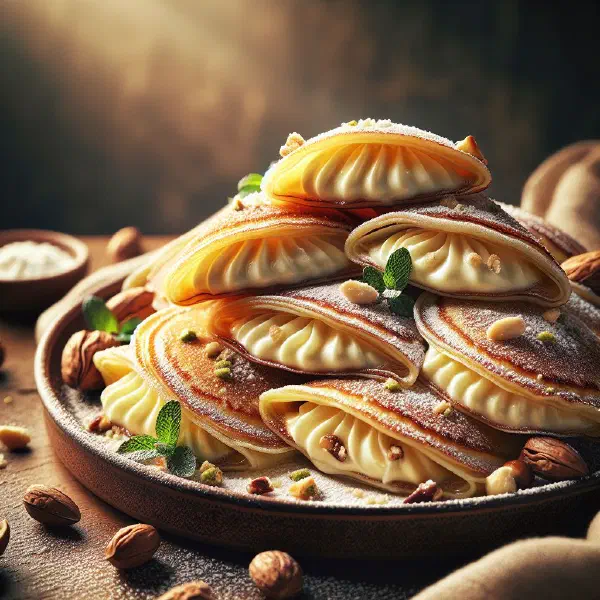
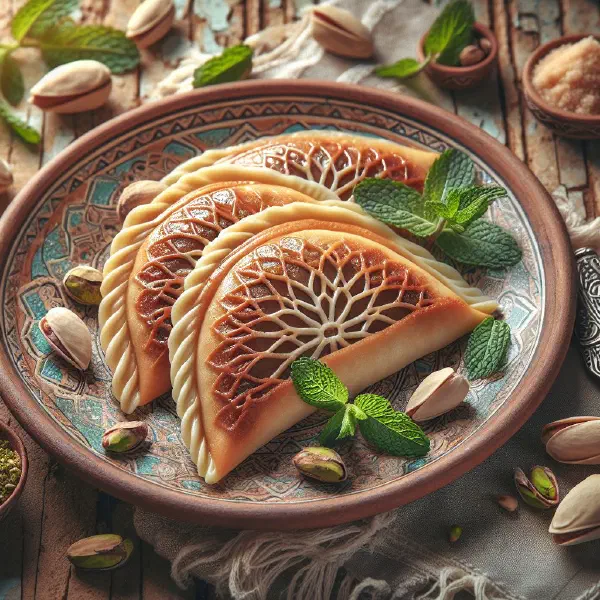
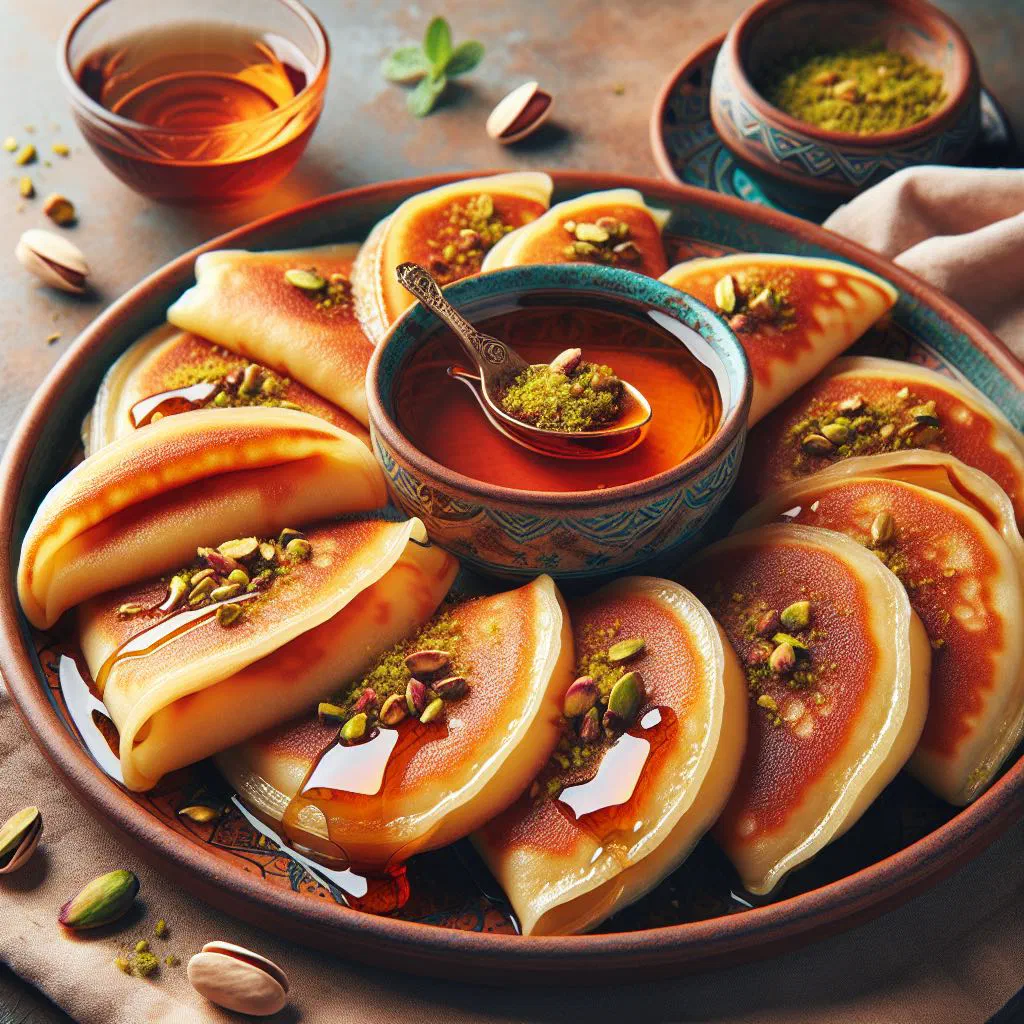
Discover Qatayef, one of Lebanon’s most cherished sweet treats. These delicate stuffed pancakes come alive during Ramadan, when kitchens fill with the scent of frying batter and warm sugar syrup. Soft and golden on the outside, lightly bubbly within, they can be filled with creamy cheese, crunchy nuts or both. Bring a little Lebanese festive spirit into your own home with this much-loved classic.
About Qatayef
Qatayef is a traditional Lebanese dish that takes pride of place during Ramadan. These delicious stuffed pancakes are popular right across the Arab world and famous for the sheer variety of their fillings. The batter relies on just a handful of staples, flour, water and yeast, which give the pancakes a soft outside and a light, almost crêpe-like interior dotted with tiny bubbles. Filled with cheese, nuts or a mixture of the two and dipped in sugar syrup, they promise a flavour experience quite unlike any other.
Ingredients (serves 1–2)
- 250 g plain flour
- 2 teaspoons sugar
- 1 teaspoon dried yeast
- 300 ml lukewarm water
- 1 pinch of salt
- Filling of your choice (e.g. nuts or cheese)
- Sugar syrup or honey, to serve
Shopping for the ingredients
When shopping for qatayef, choose fresh, good-quality produce to get the very best flavour. There is a wide range of options for the filling, so look out for local, seasonal ingredients. Different nuts such as blanched almonds or pistachios bring a distinctive taste that you can enhance with sugar and cinnamon. A mild cheese, mozzarella for example, also makes a wonderfully indulgent combination.
Preparing the dish
Preparing qatayef begins with making the batter, which is one of the most important parts of the whole dish. Mix the flour, yeast, sugar, water and salt carefully so the batter reaches the right consistency. Ideally, leave it to rest for around 30 minutes so it can rise and form the characteristic bubbles. While it rests, you can turn your attention to the filling, roughly chopping the nuts, say, or getting the cheese ready.
Step-by-step instructions
- Combine the flour, sugar, dried yeast, water and salt in a bowl, mix well and leave to rest for 30 minutes.
- Heat a frying pan over medium heat and pour in a small amount of batter to shape a little pancake.
- The surface will become covered in bubbles, which means the pancake is done. Lift it out of the pan and repeat with the rest.
- Top the finished pancakes with your chosen filling and fold them over.
- Serve the qatayef with sugar syrup or honey.
Gluten-free / lactose-free version
To make qatayef gluten-free, simply use a gluten-free flour, which is widely available in most supermarkets. For lactose-free versions, plant-based fillings such as almond milk preparations or lactose-free cheese work beautifully. Take care that every ingredient you use suits your particular diet. With these small adjustments you can enjoy this delicious treat even if you have specific dietary needs.
Tips for vegans and vegetarians
For vegans, using plant-based ingredients is essential. Replace the cheese with vegan alternatives such as tofu or cashew cream, which offer a similar texture. Dried fruits like dates or figs also make a lovely sweet filling that is easy to prepare. When making the syrup, check that it is free from animal products too, so you can serve a fully vegan version.
More tips and tricks
A few extra tips and tricks for making qatayef include experimenting with different flavours in the filling. Try adding cinnamon or vanilla for an aromatic touch. It is also good practice to test a small amount of batter before cooking the whole batch, so you can fine-tune the heat and the taste. Let your creativity run free and develop your very own version of the dish, much as you might when shaping a tray of Maamoul.
Adapting the recipe to your taste
Adapting the recipe to your own preferences is one of the best ways to turn qatayef into a personal dessert. Experiment with different fillings, adding or swapping ingredients that you enjoy more. It can be great fun to fill the pancakes with fresh berries or even a few chocolate chips. The key is to try new combinations until you hit on the perfect flavour for you.
Ingredient substitutions
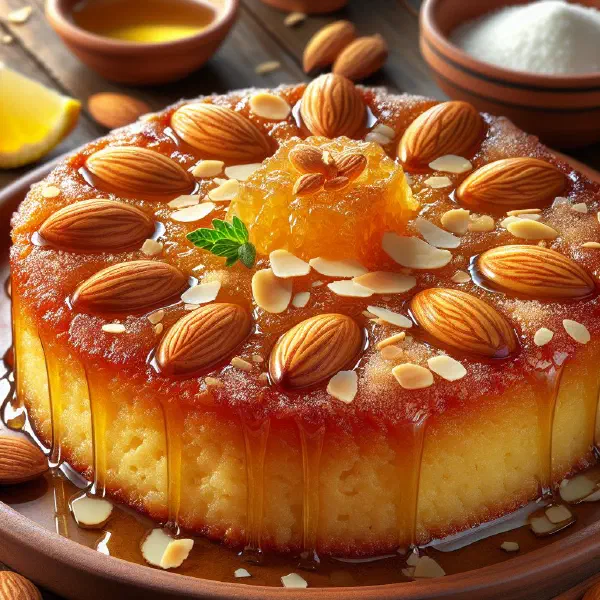
When making qatayef, you can use alternatives to the main ingredients to offer the dish in different guises. Instead of wheat flour you might reach for chickpea flour, a protein-rich option. For the filling you can choose between various nuts or even fruit purées, which add a fresh note. Scaling certain ingredients up or down can also tweak the nutrition or the taste of the dish quite easily, in the same spirit as the syrup-soaked Basbousa.
Drink pairing ideas
To round off the qatayef experience, pick drinks that complement its sweetness and aromas. A glass of mint tea offers a refreshing note. Alternatively, a fresh pomegranate juice or a yoghurt drink such as ayran can serve both as a cooling refreshment and as a pleasant accompaniment. Feel free to experiment until you find your favourite pairing to set the dessert off perfectly.
Serving and presentation ideas
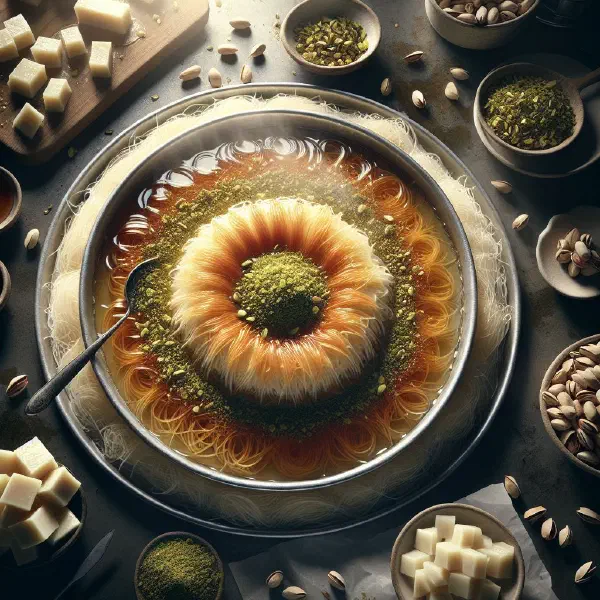
The presentation of qatayef can make all the difference in how appealing the dessert looks. Arrange the filled pancakes beautifully, laying them out on a large plate in a circular pattern. A scattering of fresh nuts or a few mint leaves makes an elegant garnish. Use the sugar syrup or honey to trace decorative patterns across the plate, too, after all, we eat with our eyes first. A spread like this sits happily alongside other festive sweets such as Knafeh.
A bit of history
The history of qatayef reaches back to Ottoman times, when it was served as a sweet for special occasions. It is still often prepared for festivities and celebrations, underlining its place in Arab culture. The dish has evolved over the centuries and remains popular across many regions of the Arab world, reflecting the rich culinary heritage of the table. This tradition is passed from generation to generation and is a treasured part of Lebanese cuisine.
More recipe ideas
Summary: Qatayef
Qatayef is far more than just a dessert; it is a part of the gastronomic culture of Lebanon, offering a wealth of fillings and variations. These stuffed pancakes are a pleasure that can be served on ordinary days as well as for special occasions. With simple ingredients and a straightforward method, this classic is easy for anyone to try. Let it inspire you and bring a piece of traditional Lebanese cooking into your own home.