National Dish Lebanon: Riz bi Haleeb (Recipe)
In this article
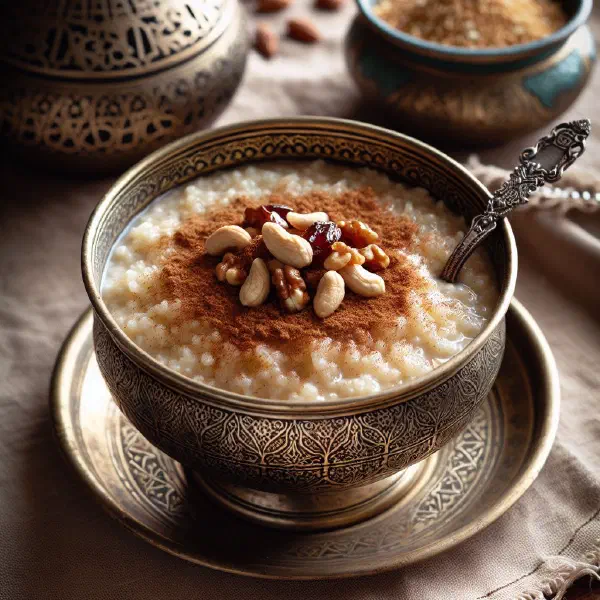
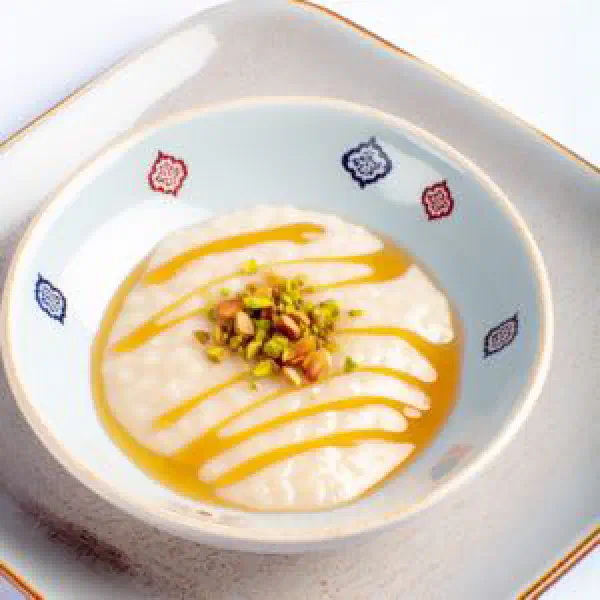
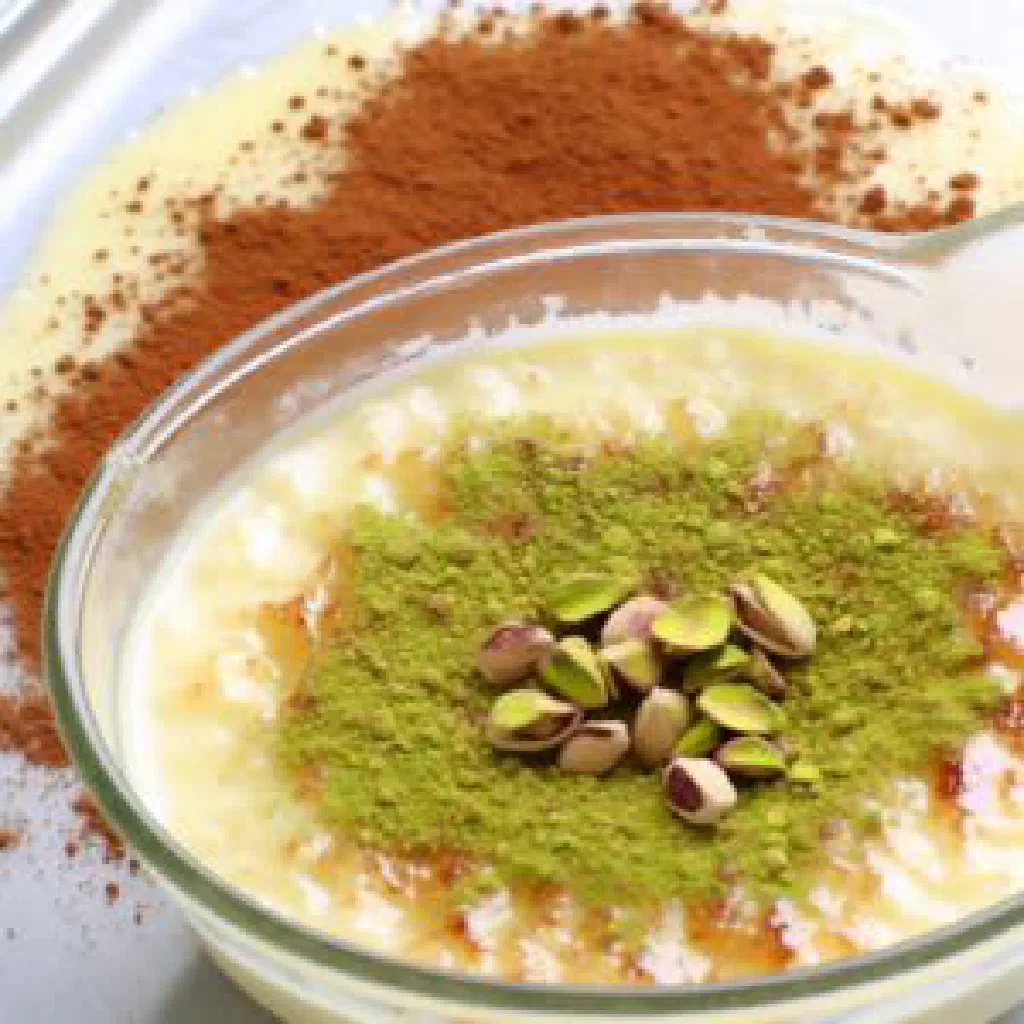
Treat yourself to Riz bi Haleeb, the beloved Lebanese rice pudding that turns a handful of pantry staples into pure comfort. This silky, milky dessert is gently scented with vanilla, finished with a dusting of cinnamon and a scattering of crunchy nuts. Simple to make yet quietly luxurious, it captures the warmth and generosity of Lebanese hospitality, a sweet little taste of the Levant you can bring to your own table.
About Riz bi Haleeb
Riz bi Haleeb is a traditional Lebanese dessert cherished right across the Arab world as a wonderfully indulgent treat. At its heart is a creamy rice pudding, made luxurious with the gentle perfume of vanilla. It is often crowned with a hint of cinnamon and a handful of crunchy nuts, which deepen both the flavour and the texture. The popularity of this dessert speaks to the rich culinary culture of Lebanon and its neighbouring countries, where simple ingredients are transformed into something truly special.
Ingredients (serves 1–2)
- 50 g short-grain rice
- 500 ml milk
- 50 g sugar
- 1 teaspoon vanilla extract
- A pinch of salt
- 1 tablespoon cinnamon (to garnish)
- 1–2 tablespoons chopped nuts (such as almonds or pistachios)
Shopping for the ingredients
The ingredients for Riz bi Haleeb are easy to find in any well-stocked supermarket or Middle Eastern grocery. Be sure to choose a good-quality short-grain rice, as it gives the ideal creamy consistency for rice pudding. The milk can be anything from cow’s milk to a plant-based alternative, depending on your preference. Finally, freshly chopped nuts are essential for the best flavour, so pick them out with care.
Preparing the dish
Before you begin making Riz bi Haleeb, it helps to have everything ready to hand. Rinse the short-grain rice thoroughly under cold water to wash away excess starch and achieve an even creamier texture. Measure out your milk and sugar too, so that everything is prepared once you start cooking. And don’t forget the garnish: have your nuts already chopped and your cinnamon at the ready?
Step-by-step instructions
- Bring the short-grain rice to the boil in a pan with 500 ml milk and a pinch of salt over medium heat.
- Reduce the heat and simmer gently for 20–25 minutes, until the rice is tender and the milk has turned creamy.
- Add the sugar and the vanilla extract and stir well, until the sugar has fully dissolved.
- Spoon the finished pudding into bowls or glasses and leave to cool a little.
- Just before serving, garnish with cinnamon and the chopped nuts.
Gluten-free / lactose-free version
For a gluten-free or lactose-free version of Riz bi Haleeb, simply use gluten-free short-grain rice and a plant-based milk such as almond milk or coconut milk. These options deliver the creamy consistency you want and lend the dish an extra layer of flavour. Adjust the amount of sugar if needed, especially if you are using a sweetened plant-based milk. That way everyone can enjoy this delicious dessert. The same dairy-free approach works beautifully for the syrup-soaked semolina cake Basbousa.
Tips for vegans and vegetarians
Vegans and vegetarians can enjoy Riz bi Haleeb with ease, as long as you use plant-based milk and a suitable sweetener. It is worth swapping the traditional sugar for an alternative such as agave nectar or date syrup, which adds a little extra goodness. To make the dish even more appealing, you could also use fresh fruit as a topping. This tastes wonderful and makes for a beautiful presentation.
More tips and tricks
To get the very best from your Riz bi Haleeb, keep a close eye on the cooking time. Overcooking can leave the rice too soft and spoil the texture. It can also help to soak the rice in water beforehand, which shortens the cooking time and improves the creaminess. Experiment with the amount of sugar to reach the level of sweetness you prefer, sometimes less really is more.
Adapting the recipe to your taste
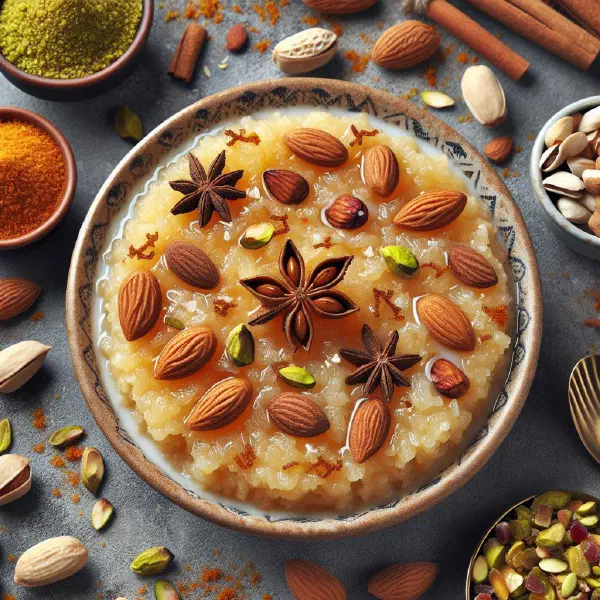
Striking the right balance of flavours and ingredients is the key to making Riz bi Haleeb your own. Instead of vanilla, for example, you might use honey or maple syrup for a different flavour profile. You could also experiment with different nuts or even dried fruit to vary the texture. Just be sure to keep the base ingredients in the same proportions, so the consistency of the dessert stays just right.
Ingredient substitutions
If one of the ingredients for Riz bi Haleeb is not available, there is always an alternative. You could use yoghurt in place of some of the milk, for instance, to achieve an even creamier texture, much like the tangy richness found in Meghli. Nuts can also be swapped for seeds such as chia seeds or sunflower seeds, which is especially handy for anyone with allergies. Just stick to the basic principles of the dessert to preserve its delicious essence.
Drink pairing ideas
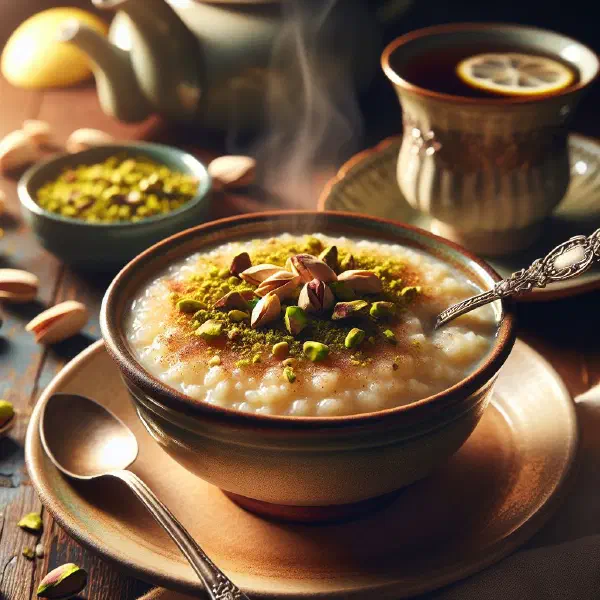
A variety of drinks pair beautifully with Riz bi Haleeb, underlining the dessert’s sweet character. A mint tea or an unsweetened herbal tea brings a refreshing, aromatic note to the table. Alternatively, you could whip up a fruity smoothie that harmonises with the toppings of your dessert. Many people also love a cup of Arabic coffee to complement the flavours and round off the whole experience.
Serving and presentation ideas
The presentation of Riz bi Haleeb can make a real impression on your guests. Serve the dessert in clear glasses or bowls to show off the layers of rice and garnish. A pinch of cinnamon or some extra fresh fruit on top adds splashes of colour and makes the dish even more inviting. It is a fitting finale to a spread of Lebanese cuisine that might begin with savoury bites such as Sambousek.
A bit of history
Riz bi Haleeb has its roots in Arab cooking and is regarded as a symbol of hospitality and tradition. It is often served at celebrations and special occasions, and has evolved over the centuries into many different forms and variations. Historically, the dish is a fine example of how people across the Arab world transform simple ingredients into delicious, welcoming food. It also reflects the cultural and geographical influences woven through Lebanese cuisine, much like the famous cheese-and-syrup dessert Knafeh.
More recipe ideas
Summary: Riz bi Haleeb
In short, Riz bi Haleeb is far more than just a delicious dessert. It brings a piece of Lebanese culture to your table. With its simple preparation and the freedom to adapt it as you wish, it is a dish that many come to adore. Give it a try and savour the flavours of the Levant right in your own home.