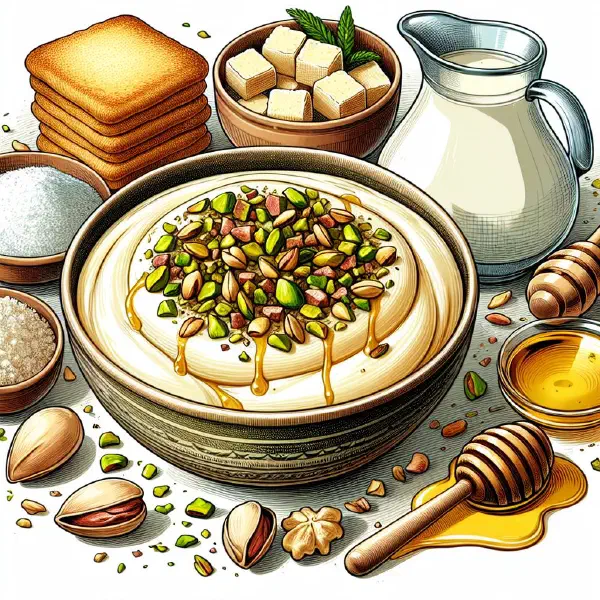
National Dish Lebanon: Sahlab (Recipe)
In this article
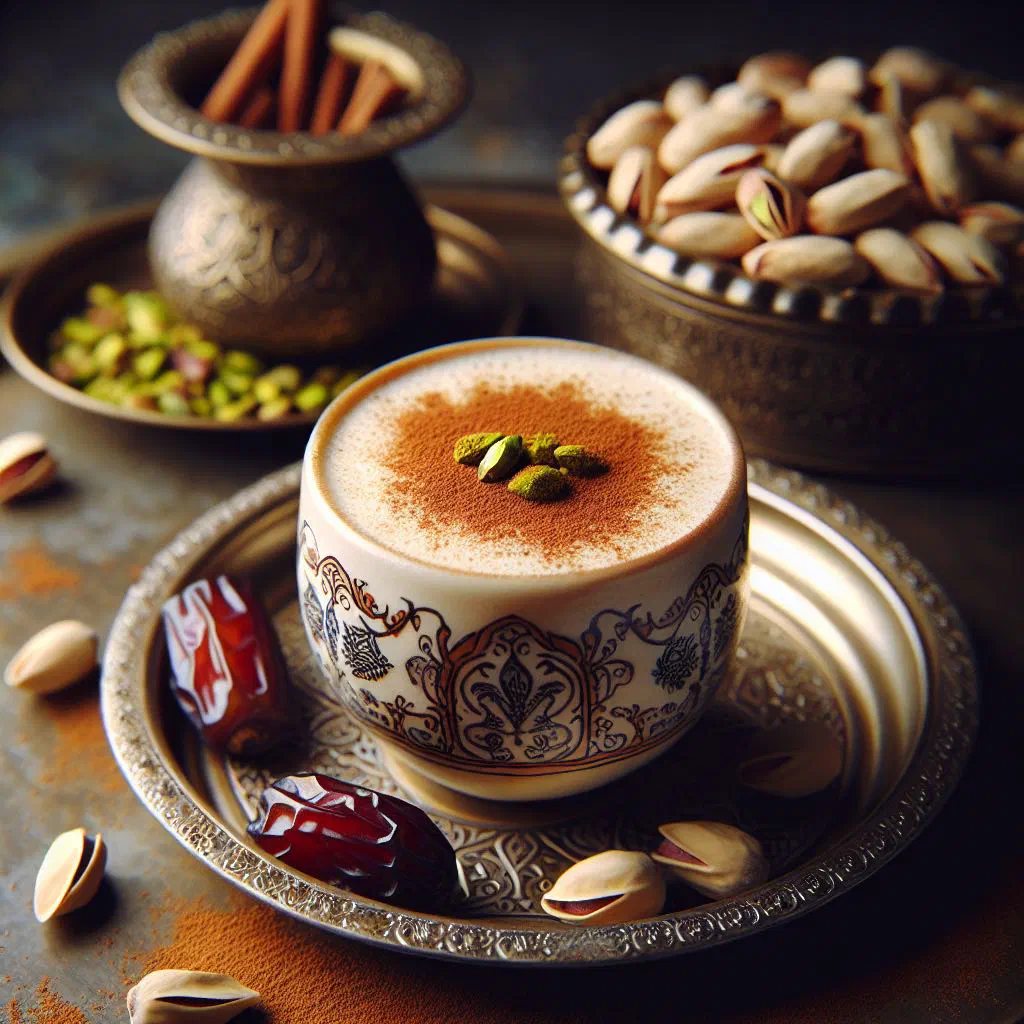
Warm, silky and gently fragrant, Sahlab is the kind of treat that turns a cold evening into something special. This creamy Lebanese pudding-drink is thickened with the ground tuber of a wild orchid, then crowned with cinnamon and a scattering of chopped nuts. Cosy, comforting and quietly luxurious, it carries the warm spirit of Middle Eastern hospitality straight to your kitchen. Pour it into a glass, breathe in the aroma and let this gentle classic of Lebanese cuisine wrap you up.
About Sahlab
Sahlab is a traditional Lebanese dish that is as versatile as it is delicious. It is a creamy pudding-style dessert made from the ground tubers of a particular species of orchid. Served with nuts, cinnamon and an array of toppings, it has become a much-loved treat across many Arab countries. Its smooth, warming texture makes it a perfect choice for cooler days or for marking a special occasion, much like a comforting bowl of Roz bel Halib.
Ingredients (serves 1–2)
- 50 g sahlab powder (or vanilla custard powder as a substitute)
- 500 ml milk (or a plant-based milk alternative)
- 2 tablespoons sugar (or to taste)
- A few drops of rosewater (optional)
- Cinnamon, for dusting
- Chopped nuts (such as pistachios or almonds), to garnish
Shopping for the ingredients
When shopping for sahlab, it is worth choosing good-quality products to get the best possible flavour. The sahlab powder may not be on the shelves of every supermarket, so it is best to visit a specialist Middle Eastern grocery or order it online. Pay attention to the type of milk you would like to use as well. Plant-based alternatives such as almond or oat milk work just as nicely and let you keep the dish vegan.
Preparing the dish
Preparing sahlab is wonderfully straightforward and calls for no special cooking skills. Start by gathering all of your ingredients and measuring everything out. It helps to roughly chop the nuts beforehand and to keep everything close to the hob. That way the whole process runs quickly and smoothly, and you can enjoy this delicious dessert in next to no time.
Step-by-step instructions
- In a small saucepan, whisk the sahlab powder into a little of the cold milk to stop any lumps forming.
- Pour in the rest of the milk along with the sugar and heat gently, stirring as you go.
- Bring the mixture to the boil, stirring constantly, until it thickens.
- Take it off the heat and add a few drops of rosewater to taste.
- Spoon the sahlab into bowls or glasses and garnish with cinnamon and nuts as you like.
Gluten-free / lactose-free version
To make a gluten-free and lactose-free version of sahlab, use a gluten-free sahlab powder or vanilla custard powder. It is also important to choose a plant-based milk alternative such as almond or coconut milk. These swaps deliver a similar flavour and the same creamy consistency, so anyone with an intolerance can still enjoy this traditional dessert without missing out.
Tips for vegans and vegetarians
Vegans and vegetarians can enjoy sahlab with ease simply by replacing the animal products with plant-based alternatives. Use a plant milk such as soya, almond or oat to keep the dish fully vegan. As the original recipe contains no eggs or other animal products, it is naturally suitable for vegetarians from the outset. A touch of natural sweetener such as maple syrup adds a lovely extra layer of flavour.
More tips and tricks
For the best results when making sahlab, keep the heat low while it cooks. Too high a temperature can cause the mixture to catch and form lumps. Stir continuously to achieve a smooth, glossy consistency. Store any leftovers in the fridge and enjoy the dessert chilled, as it also makes a refreshing summer treat served cold.
Adapting the recipe to your taste
The recipe for sahlab is easy to tailor to your own preferences. Add different nuts or dried fruit for an extra flavour note, or stir in spices such as cardamom or vanilla to enrich the aroma. Play with the sweetness by trying different sweeteners until you strike the perfect balance for your palate, much as you might when tinkering with the syrup of a Meghli.
Ingredient substitutions
If you cannot track down sahlab powder, vanilla custard powder or even cornflour make good alternatives. They will alter the texture of the dessert a little, but the result is just as delicious. In place of rosewater you can use orange blossom water for a different but equally lovely flavour, the same floral note that lifts a tray of Nammoura. Substitutions like these make the recipe more accessible and easier to put together.
Drink pairing ideas
Aromatic drinks pair beautifully with sahlab and complement its gentle flavours. A warm chai or a glass of fresh mint tea makes an excellent companion. For a refreshing contrast you could also serve a glass of ayran, the lightly salted yoghurt drink. These all harmonise perfectly with the sweet, creamy character of the dessert for a thoroughly satisfying experience.
Serving and presentation ideas
To present sahlab attractively, decorate the bowls or glasses with a neat layer of nuts, cinnamon and dried fruit. A dash of rosewater just before serving lends both an enticing aroma and a pretty finish. For a festive touch, serve the dessert in elegant glasses. A decorative napkin or a few small flowers from the garden round off the presentation in style, just as you might dress a plate of Knafeh.
A bit of history
Sahlab has a long history in Arab cuisine and was originally made from the tuber of the orchid, which grows chiefly across the Middle East. The dish has been woven into Lebanese culture since the 19th century and is often enjoyed during the winter months. Historically, sahlab was also regarded as a nourishing dish thought to offer many health benefits. It stands not only for indulgence but for tradition and hospitality in Lebanese society.
More recipe ideas
Summary: Sahlab
All in all, sahlab is a delicious and versatile dish that is easy to make and suited to any occasion. It brings together traditional flavours and a creamy texture that appeals to every palate. Sahlab is always appreciated. With a few simple tweaks it can suit a range of diets too, making it an ideal treat for everyone.