National Dish Lebanon: Sfiha (Recipe)
In this article
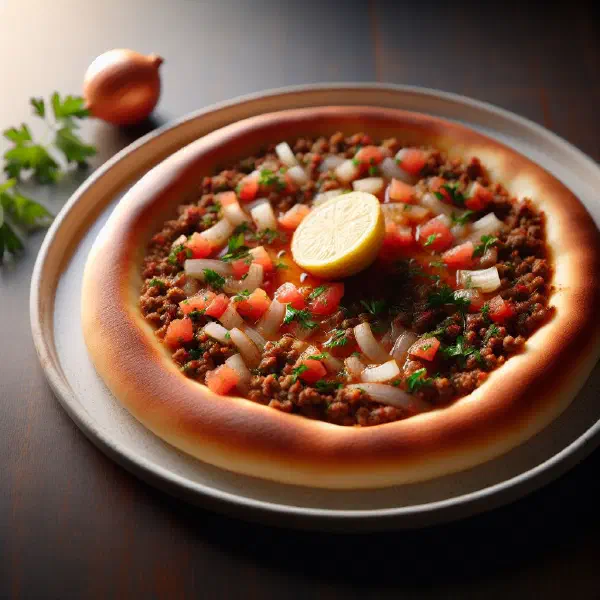
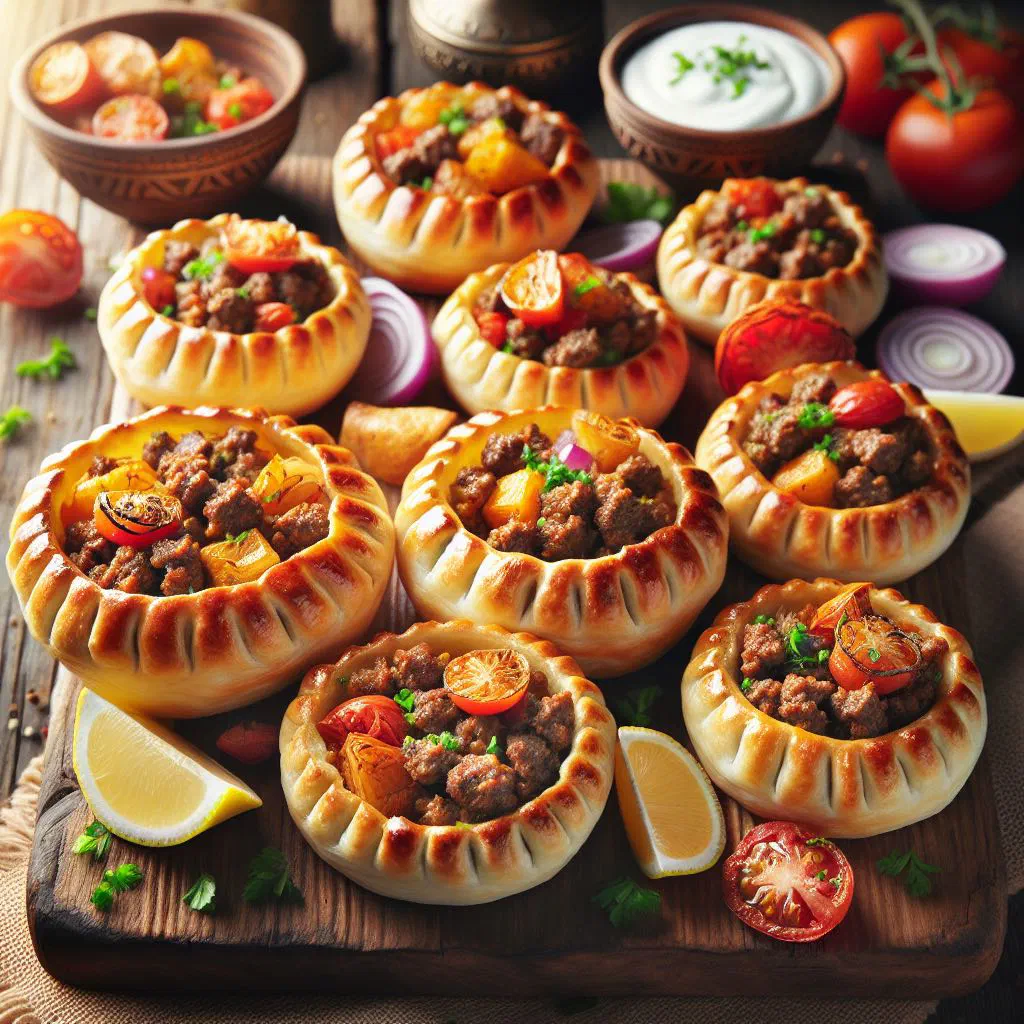
Say hello to Sfiha, the little Lebanese meat pies that turn any gathering into a feast. These small, savoury pastries pack a punch of flavour, marrying tender minced meat with sweet onions and a fragrant blend of warm spices. Long a fixture at celebrations and family get-togethers across the Levant, they are as much about good company as they are about good food. Bring a taste of Beirut to your own kitchen with this welcoming classic.
About Sfiha
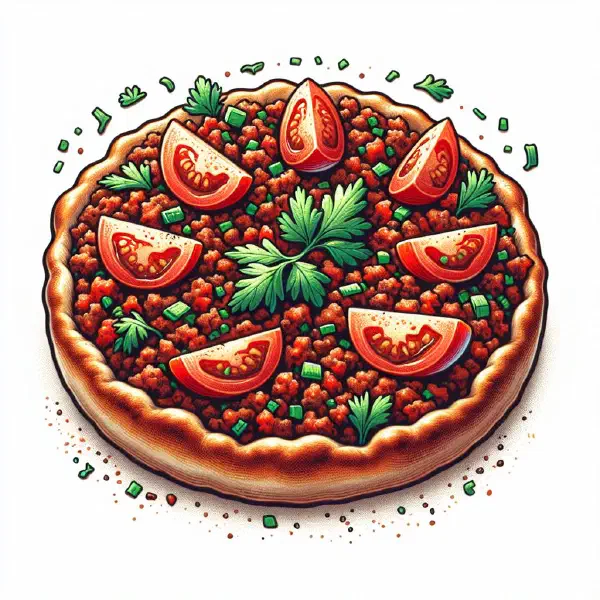
Sfiha is a traditional Lebanese dish that is loved right across the Middle East. These small, savoury pastries are a genuine treat for the palate, and they are also a firmly established part of Lebanese food culture. The combination of minced meat, onions and a generous mix of aromatic spices is what makes the dish so distinctive. Sfiha are often served at festivities or get-togethers, which has earned them a reputation as a true dish for sharing.
Ingredients (serves 1–2)
- 250 g plain wheat flour
- 125 ml water
- 10 g dried yeast
- 1 teaspoon sugar
- 1 teaspoon salt
- 150 g minced meat (beef or lamb)
- 1 onion, finely chopped
- 1 teaspoon paprika
- 1 teaspoon ground cumin
- Cling film or a clean tea towel
Shopping for the ingredients
When shopping for the ingredients, it is well worth paying attention to the freshness and quality of what you buy. Quality affects not only the flavour but your health too. Reach for organic produce where you can, to keep unwanted residues to a minimum. The choice of meat matters as well, buying from a trusted butcher, for example, can noticeably improve the quality of your sfiha.
Preparing the dish
Preparing sfiha is something of an art. It pays to get the ingredients thoroughly ready before you begin cooking. Finely chop the onions and set out the spices in advance, so everything is to hand. This keeps the actual cooking running smoothly and saves precious time when it comes to shaping these delicious little pastries.
Step-by-step instructions
- In a bowl, combine the flour, the dried yeast, the sugar and the salt.
- Slowly add the water and knead everything well until you have a smooth dough. Leave the dough to rest for 30 minutes until it has risen.
- Meanwhile, fry the minced meat in a pan with the onions and the spices until the meat is cooked through.
- Roll out the risen dough on a floured surface and cut it into small circles.
- Spoon the meat mixture into the centre of each dough circle and pinch the edges to seal.
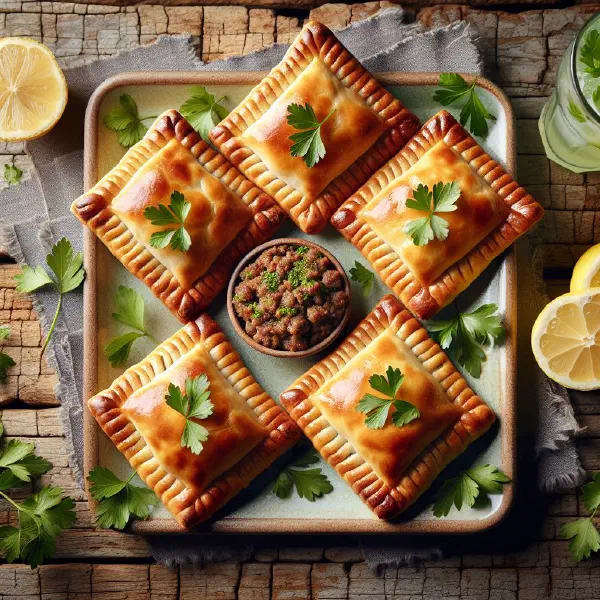
- Place the sfiha on a baking tray and bake in a preheated oven at 180°C for about 20 minutes, until golden brown.
Gluten-free / lactose-free version
For a gluten-free version of sfiha you can simply use a gluten-free flour blend. Just make sure that all your other ingredients are gluten-free too. The dish is also easy to keep lactose-free: use plain minced meat and skip any added dairy or extra fat. That way, anyone with an intolerance can still enjoy these wonderful little pastries.
Tips for vegans and vegetarians
For a vegan version of sfiha, swap the minced meat for a mixture of finely chopped vegetables or lentils. Spices such as cumin and paprika give the filling all the aroma it needs. Experimenting with different herbs and vegetables can open up plenty of new flavours, much as it does in a hearty plate of Loubiyeh bil Zeit. Vegan sfiha are not only delicious but a great source of protein too.
More tips and tricks
A few simple tricks can really lift your sfiha. Make sure the dough is well kneaded so it has the right consistency. Seasoning the filling properly is crucial to the flavour, so don’t be shy with the spices. You can also experiment a little with the baking time to get exactly the crispness you like. Every small detail helps to make your sfiha a complete success.
Adapting the recipe to your taste
You can easily adapt the recipe to suit your own preferences. Add extra spices or vegetables, for instance, to vary the filling to your liking. Playing around with different dough variations is another good way to keep things interesting.
Ingredient substitutions
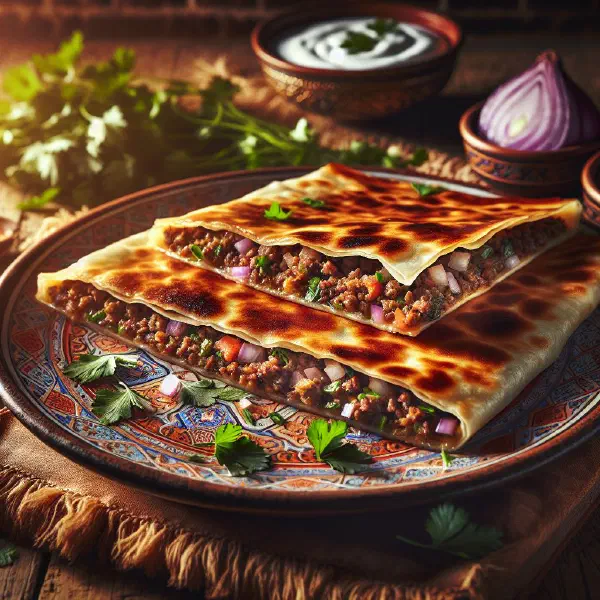
If you don’t have every ingredient to hand, there are some handy alternatives. Minced meat can be replaced with plant-based protein if you are after a vegetarian option. For the dough base, you could use puff pastry or filo to achieve a different texture and taste, the kind of flaky finish you also find in Sambousek. The most important thing is to stick to the same basic principles as you prepare your sfiha.
Drink pairing ideas
To round off your sfiha experience, choosing the right drink makes all the difference. Classic options such as Arabic tea or a refreshing mint lemonade go beautifully with the dish. For an alcoholic pairing, you might consider a light red wine or a glass of arak to complement the flavours.
Serving and presentation ideas
The way you present your sfiha can add to the pleasure of eating them. Serve the pastries on a large platter and garnish with fresh herbs or salad leaves to bring in colour and freshness. Set out small bowls of dips, such as a cooling yoghurt sauce or hummus, which work wonderfully alongside the spiced pastries. A pretty arrangement makes the meal not only tastier but more inviting too.
A bit of history
Sfiha has a history and is regarded as one of the oldest traditional dishes of Lebanon and the wider Middle East. Historically it was a street food, sold along the streets of Beirut. It reflects the diversity and the many cultural influences present across the region, much like the broader world of Lebanese cuisine. In countless families the recipe is handed down through the generations, which only adds to the dish’s significance.
More recipe ideas
Summary: Sfiha
Sfiha is a delicious and versatile dish that is easy to vary and adapt. It appeals to with its savoury taste and the unmistakable aromas of the Middle East. From preparation through to presentation, every stage adds to the pleasure of eating. Let it inspire you, and bring a little piece of Lebanon into your own kitchen.