National Dish Lebanon: Shanklish (Recipe)
In this article
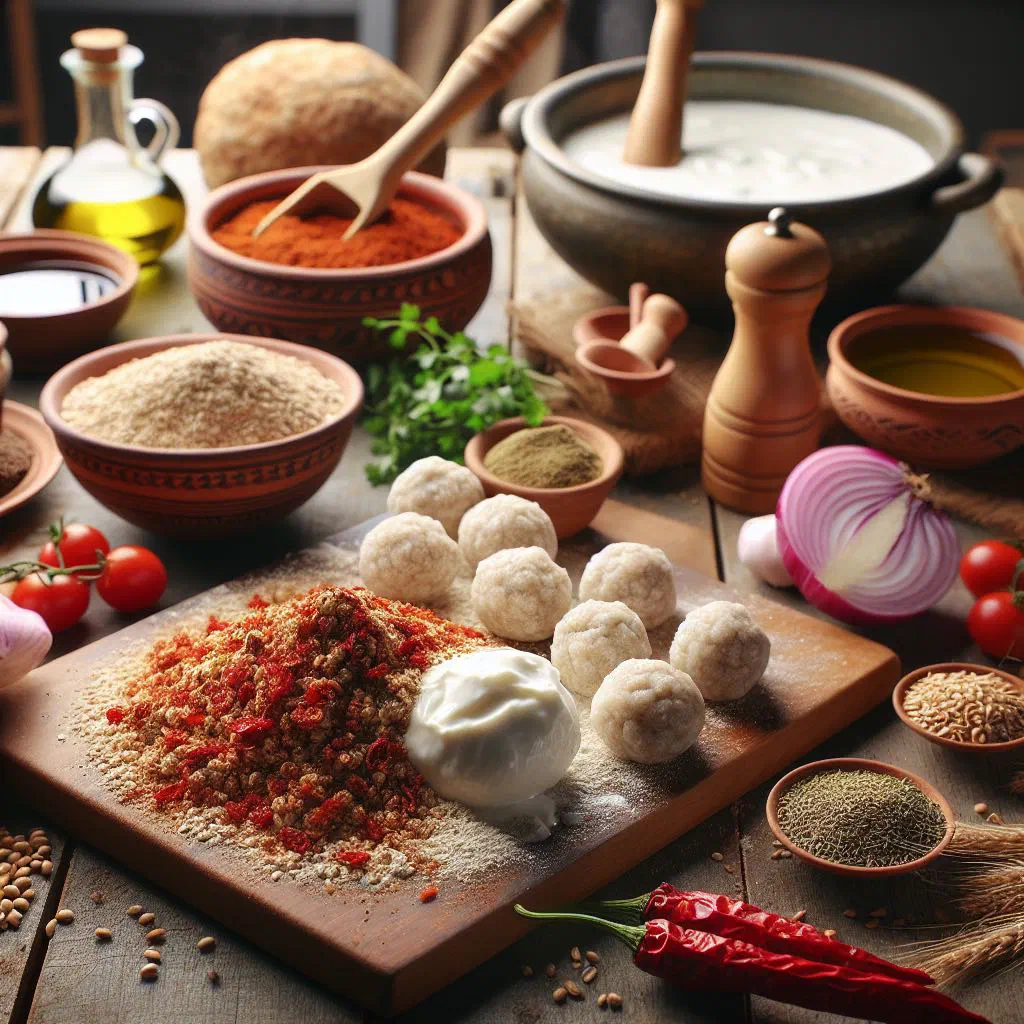
Say hello to Shanklish, one of Lebanon’s most characterful cheeses and a true mezze classic. Made from fermented curds and rolled in a fragrant coat of dried mint and warming spices, it delivers a tangy, savoury bite that is impossible to resist. Whether scattered across a salad or served as part of a generous spread of small plates, this rustic cheese turns any gathering into a feast. Bring a taste of the Lebanese table straight to your own kitchen.
About Shanklish
Shanklish is a distinctive fermented cheese from Lebanon, built around tangy curds and enriched with a generous mix of fresh herbs and spices. Traditionally made from fresh milk, it has a deeply savoury flavour that lingers on the palate. You can enjoy it as a simple snack or as part of a lavish mezze spread, which makes it the perfect dish for sociable occasions. Hailing from several regions of Lebanon, it has become a treasured favourite among food lovers who appreciate bold, rustic flavours.
Ingredients (serves 1–2)
- 300 g fresh cow’s milk
- 1/2 teaspoon salt
- 2 tablespoons dried mint
- 1/2 teaspoon black pepper
- 1 teaspoon paprika
- 1 tablespoon olive oil
- Fresh lemon juice, to taste
- Fresh vegetables (such as cucumbers, tomatoes, peppers), to serve
Shopping for the ingredients
To make shanklish properly, it pays to choose the right ingredients. Look for good-quality fresh cow’s milk, as it forms the very base of the cheese. Fresh herbs such as dried mint and a fine olive oil are easy to find at local markets or larger supermarkets. For the best flavour, grind spices like paprika and black pepper fresh wherever you can, since this brings out their warmth and depth.
Preparing the dish
Before you start making shanklish, measure out and prepare all your ingredients. Make sure the fresh cow’s milk is at room temperature, as this helps the fermentation process along. Have the spices and herbs ready to hand so the steps flow smoothly. A clean, well-organised work surface makes the whole process easier and lets you work at a calm, steady pace.
Step-by-step instructions
- Warm the fresh cow’s milk in a large pan over a medium heat until it comes to a gentle simmer.
- Add the salt and stir well until it dissolves completely.
- Take the pan off the heat and let the milk cool down.
- Once the milk is lukewarm, stir in a piece of rennet and mix gently.
- Leave the mixture to rest in a warm place for 24 hours, until it has fully set.
- Spoon the curds into a cloth and let the whey drain away until the cheese firms up.
- Season the cheese with dried mint, paprika and black pepper, then mix well to combine.
- Arrange in a bowl and finish with a drizzle of olive oil and fresh lemon juice.
Gluten-free / lactose-free version
For anyone who needs to eat gluten-free or lactose-free, shanklish can still be a real treat. Use lactose-free milk instead, or consider plant-based alternatives such as coconut milk or almond milk to achieve a similar result. It is worth double-checking that all the spices and ingredients you use are certified gluten-free. That way the wonderful aroma and rustic character of shanklish carry through in these versions too.
Tips for vegans and vegetarians
For vegans, shanklish can be adapted easily by leaving out the dairy. One exciting option is to make a nut-based cheese that mimics the texture of shanklish, cashews or almonds blend into a creamy base beautifully, seasoned with herbs and spices. This offers a satisfying vegan option and brings fresh flavours to the table. The same plant-based spirit shines in dishes like Loubiyeh bil Zeit.
More tips and tricks
To get the best quality from your shanklish, it is well worth using fresh and high-quality ingredients. Experiment with different local herbs to tune the flavour to your liking. The choice of olive oil can also lift the final taste, so try a few until you find your favourite. You can even slice the cheese and fry it lightly in a pan to create a wonderfully crisp texture.
Adapting the recipe to your taste
The beauty of shanklish is how readily it adapts to personal preference. Add more or less of any given spice to shape the cheese exactly to your taste. You might also fold in extras such as sun-dried tomatoes or olives to enrich the dish. Be creative and discover what you and your guests enjoy most, much as you would when tweaking a fresh Tabbouleh bi Burghul.
Ingredient substitutions
Several ingredients in shanklish can be swapped for alternatives without losing the flavour. If you do not have dried mint to hand, oregano or basil make an equally tasty choice. For a lighter version, reduce the amount of oil, or use chilli in place of black pepper to add a touch of heat. Stay open to experimenting until you create your own unique recipe.
Drink pairing ideas
Shanklish pairs wonderfully with a wide range of drinks. A light white wine or a crisp rosé can frame the flavours of the cheese nicely. For those who prefer to stay alcohol-free, a fresh mint tea or a glass of cool lemon water works a treat.
Serving and presentation ideas
Thoughtful presentation can lift the whole shanklish experience. Serve the cheese on a large platter, surrounded by colourful fresh vegetables and some crusty bread. An elegant garnish of lemon slices and olives will catch your guests’ eye. Keep small dishes of olive oil and spices nearby too, so everyone can season to their own taste. It sits beautifully alongside a creamy Baba Ghanouj bi Lahme.
A bit of history
Shanklish has deep-rooted traditions in Lebanon, where it counts as part of the country’s rural home cooking. The cheese was once made from surplus milk as a clever way to preserve it for longer. To this day shanklish is hugely popular as a homemade dish and in restaurants across the country. Its uniqueness and versatility have made it a cherished part of Lebanese cuisine.
More recipe ideas
Summary: Shanklish
Shanklish is far more than just a cheese; it is an experience of the ever more celebrated world of Lebanese cooking. With its distinctive flavour and its scope for adaptation, it is a genuine must-try for anyone keen to discover a culture through its food. Shanklish brings flavours together and creates memorable culinary memories.