National Dish Lebanon: Shorbet Frikeh (Recipe)
In this article
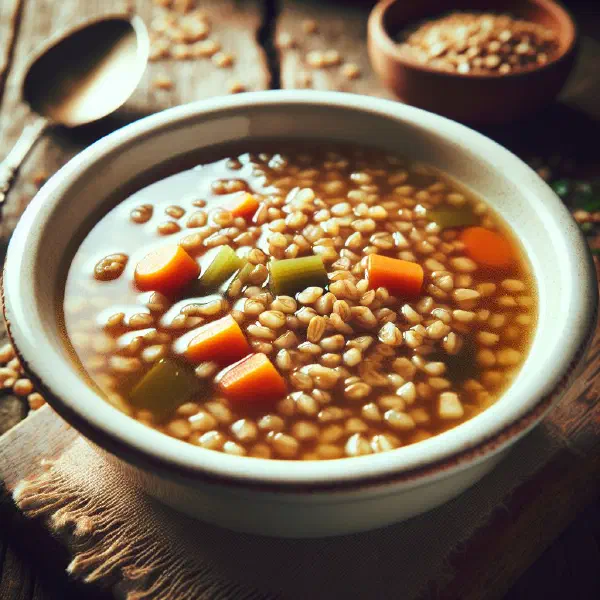
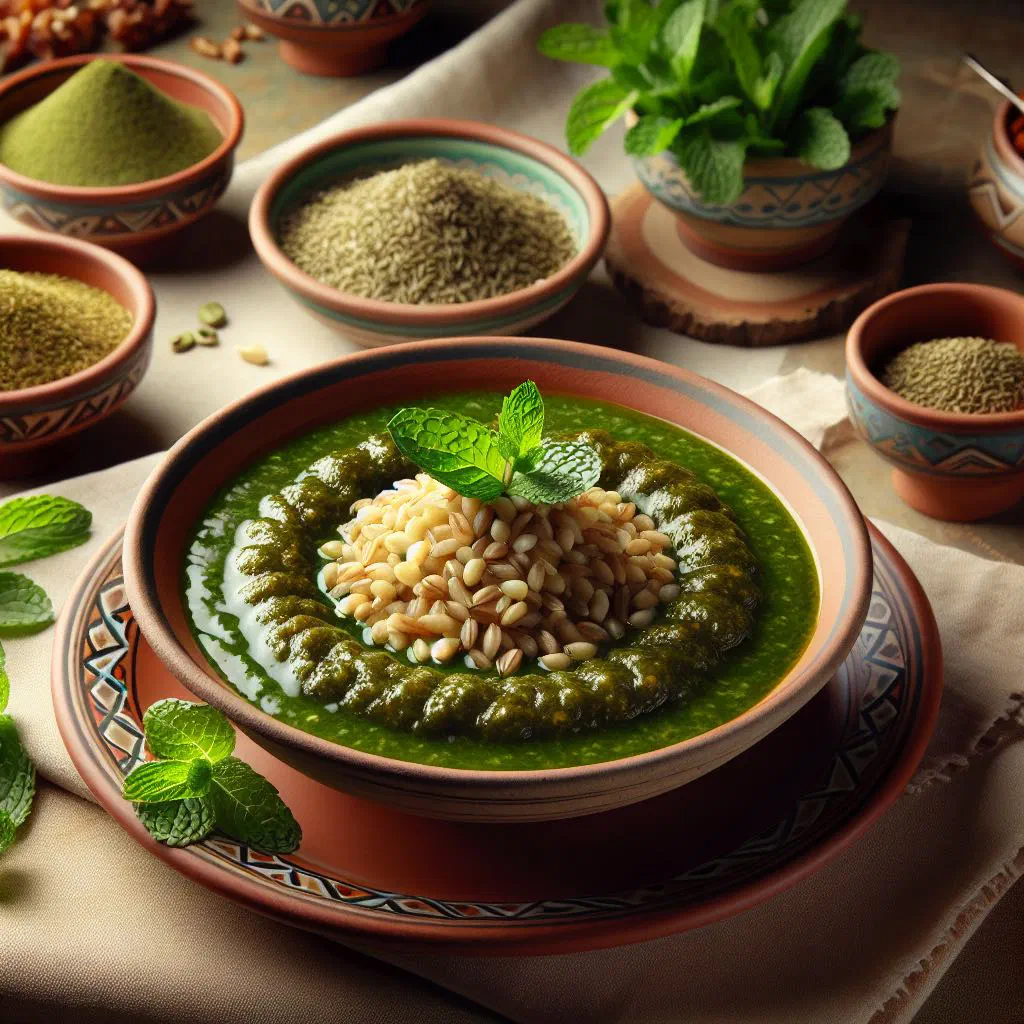
Warm up a cold evening with Shorbet Frikeh, a soul-soothing Lebanese soup built around the smoky, nutty depth of roasted green wheat. Fresh herbs, gentle spices and a base of vegetable stock come together in a bowl that feels both comforting and wholesome. Naturally vegan and packed with fibre, it makes a brilliant light supper or a generous starter that brings a taste of Lebanon straight to your table.
About Shorbet Frikeh
Shorbet Frikeh is a traditional Lebanese soup celebrated for its distinctive flavour and genuinely good-for-you ingredients. The star of the bowl is freekeh, roasted green wheat, which lends the soup a smoky, nutty character that pairs beautifully with fresh herbs and warm spices. It is prized for its taste and for its health benefits, being rich in fibre, vitamins and minerals. Ideal for cold days, it works equally well as a hearty main course or as a satisfying starter.
Ingredients (serves 1–2)
- 100 g freekeh (roasted green wheat)
- 1 onion, diced
- 1 carrot, diced
- 1 stick of celery, diced
- 2 cloves of garlic, finely chopped
- 1 litre vegetable stock
- 2 tablespoons olive oil
- 1 teaspoon ground cumin
- Fresh parsley, chopped
- Salt and pepper, to taste
Shopping for the ingredients
When shopping for Shorbet Frikeh, it is worth choosing fresh, good-quality produce to get the very best flavour. Many of the ingredients you need, such as the freekeh and the spices, are available in Middle Eastern or international grocery shops. It is also well worth seeking out a local market for fresh vegetables and herbs. Buy the vegetables as fresh as you can to bring the most flavour to your soup.
Preparing the dish
Preparing Shorbet Frikeh is wonderfully straightforward and quick. Start by washing, peeling and chopping all the vegetables into small, even pieces. The onion and garlic can be sautéed together in oil to release their aroma. The remaining vegetables and the spices are then added, before the stock goes in to form the base of the soup.
Step-by-step instructions
- Heat the olive oil in a large pan and sauté the onion and garlic until translucent.
- Add the carrot and celery and cook for a few minutes more.
- Stir in the freekeh and the ground cumin, toasting briefly to deepen the flavour.
- Pour in the vegetable stock and bring the soup to the boil.
- Reduce the heat and let it simmer for 25–30 minutes, until the freekeh is tender.
- Season with salt, pepper and fresh parsley, then serve.
Gluten-free / lactose-free version
To make Shorbet Frikeh gluten-free, you can swap the freekeh for quinoa, which offers a similar texture and is naturally gluten-free. Be sure to use a gluten-free stock so the whole soup is suitable for anyone with coeliac disease. The remaining ingredients are usually lactose-free, which means vegans and those with a lactose intolerance can enjoy this soup without any trouble at all.
Tips for vegans and vegetarians
Shorbet Frikeh is naturally meat-free and vegan, as it relies on plant-based ingredients alone. To add extra flavour and nutrition, you can fold in different vegetables such as courgette or spinach. A handful of chickpeas is a lovely way to boost the protein content, much as they do in a comforting bowl of Yakhnet Fasoulia. These additions make the soup even more filling and nourishing.
More tips and tricks
To take the flavour of Shorbet Frikeh even further, finish each bowl with a squeeze of lemon juice or a drizzle of pomegranate molasses. That touch of acidity balances the flavours and gives the soup a fresh lift. You can also scatter over toasted nuts or seeds for an appealing contrast in texture. Experiment with different spices to tailor the soup to your own taste.
Adapting the recipe to your taste
The recipe for Shorbet Frikeh is easy to adjust to individual tastes. Use more or fewer spices, for example, to dial the heat and aroma up or down. The choice of vegetables can vary too; simply use whatever is in season and at its freshest. Let your imagination guide you and discover new, exciting combinations.
Ingredient substitutions
If you do not have certain ingredients to hand, there are plenty of alternatives. In place of freekeh you can use bulgur wheat, while the vegetable stock can just as easily be swapped for a mushroom-based broth. For a spicier note, add a pinch of chilli flakes.
Drink pairing ideas
To round off the Shorbet Frikeh experience, the right drink makes all the difference. A fresh mint tea is an excellent choice, complementing the flavours of the soup beautifully. Alternatively, serve a homemade lemonade or a yoghurt-based drink for a refreshing effect. A light white wine also pairs nicely with this dish, gently supporting its flavour.
Serving and presentation ideas
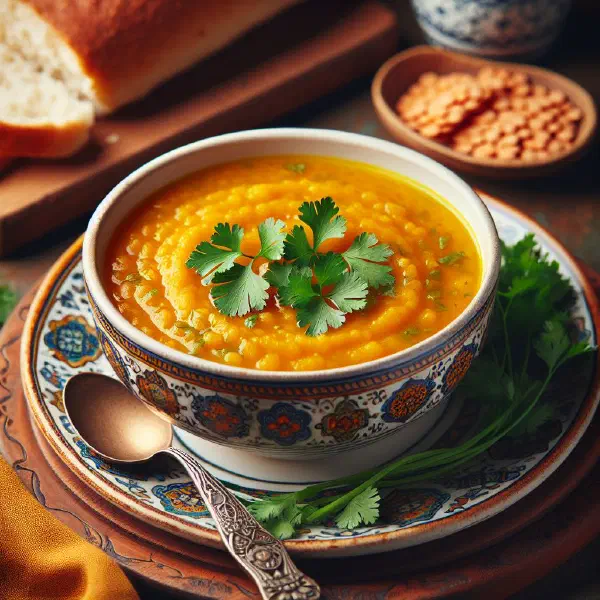
Presentation matters just as much as flavour with Shorbet Frikeh. Serve the soup in attractive, deep bowls and garnish generously with fresh parsley or coriander. A few drops of olive oil on the surface look inviting and add extra flavour. To finish, arrange a slice of fresh, crusty bread alongside each bowl, just as you might next to a bowl of Moujadara Safra.
A bit of history
Shorbet Frikeh has its roots in the traditional kitchens of the Middle East and is often prepared in Lebanese homes. The use of freekeh, an ingredient frequently described as “harvested green wheat”, reflects the region’s deep agricultural traditions. This soup is more than a dish; it is a symbol of the hospitality and community that lie at the heart of Lebanese cuisine. Traditionally it is enjoyed at large family meals, bringing people together around the table.
More recipe ideas
Summary: Shorbet Frikeh
The recipe for Shorbet Frikeh offers a wonderful way to bring the delicious flavours of Lebanon into your own kitchen. With its quality ingredients and simple preparation, this dish is as tasty as it is nourishing. Let it whisk you away on a tour and savour this traditional Lebanese classic.