National Dish Lebanon: Stuffed Aubergines (Recipe)
In this article
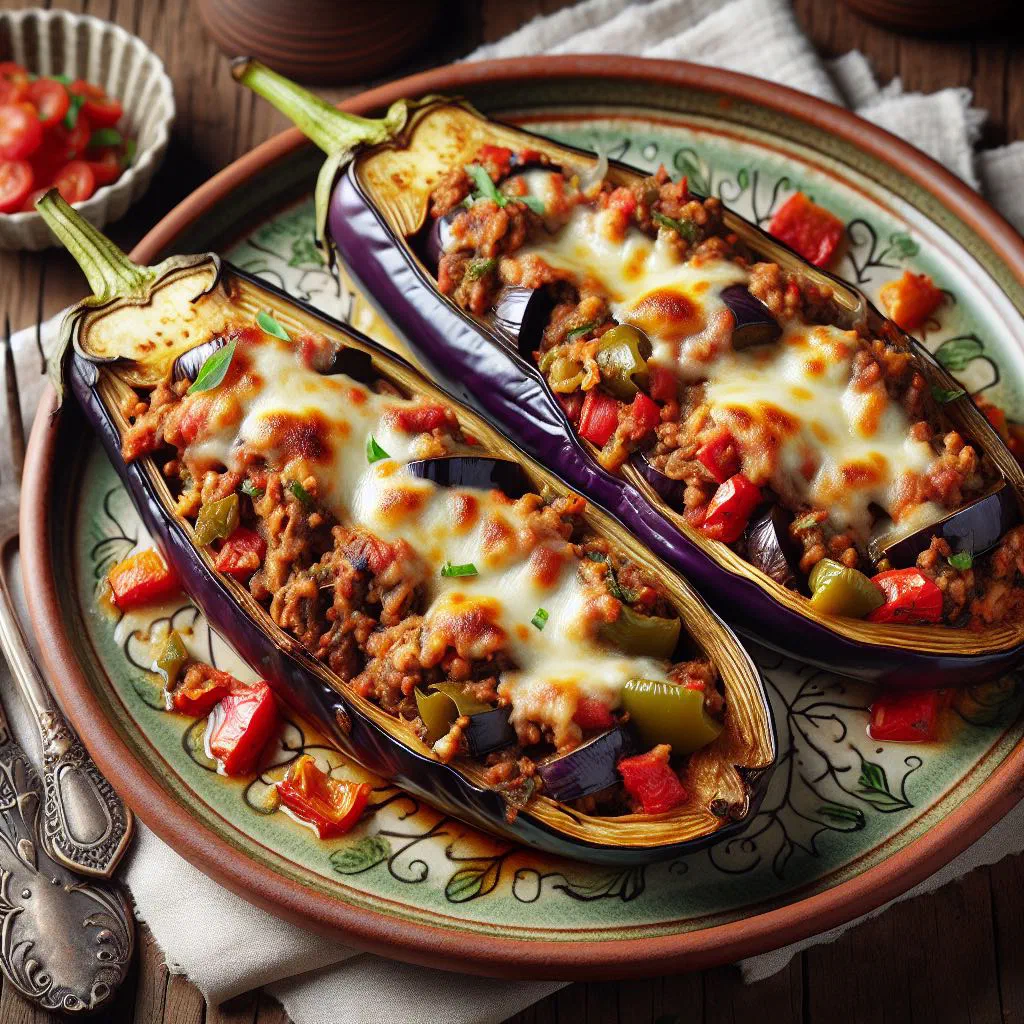
Few dishes capture the warmth of Lebanese hospitality quite like stuffed aubergines. Tender aubergine halves are filled with a fragrant mixture of rice, minced meat and aromatic spices, then gently braised in a rich tomato sauce until every flavour melds together. The savoury filling and the mellow sweetness of the aubergine make this a true feast, comforting enough for a family supper, yet special enough to set before guests.
About Stuffed Aubergines
Stuffed aubergines are a much-loved traditional dish of Lebanese cooking. They are made from tender aubergines filled with a flavoursome blend of rice, minced meat and warming spices. The dish is often braised in a delicious tomato sauce that draws out the aromas beautifully. The combination of the hearty filling and the gentle sweetness of the aubergine makes stuffed aubergines a genuine celebration on the plate, much like the layered comfort of Makloubeh.
Ingredients (serves 1–2)
- 2 medium aubergines
- 100 g minced meat (beef or lamb)
- 50 g long-grain rice
- 1 onion, diced
- 2 cloves garlic, finely chopped
- 1 tin sieved tomatoes (passata)
- 2 tablespoons olive oil
- 1 teaspoon paprika
- 1 teaspoon cumin
- Salt and pepper, to taste
- Fresh parsley, to garnish
Shopping for the ingredients
When shopping for stuffed aubergines, pay attention to the quality of the aubergines. They should feel firm and look glossy, with no brown patches or soft spots. For the mince, a good, fresh source will give you the best flavour. The rice should be high quality too, with long-grain rice the natural choice, as it gives an ideal texture for the filling.
Preparing the dish
Preparing stuffed aubergines begins with halving the aubergines lengthways and carefully scooping out the flesh with a spoon. The flesh can be worked back into the filling later, making the dish even more aromatic. Dice the onion and garlic in advance and fry them in olive oil until lightly golden. These aromatics form the base of the filling and are key to a successful result.
Step-by-step instructions
- Halve the aubergines and scoop out the flesh.
- Fry the onions and garlic in olive oil.
- Add the minced meat and cook until browned through.
- Stir in the rice and the diced aubergine flesh and fry briefly.
- Season with paprika, cumin, salt and pepper.
- Spoon the filling into the aubergine halves.
- Set the stuffed aubergines in an ovenproof dish and pour the passata over the top.
- Bake in a preheated oven at 180°C for about 30–40 minutes.
- Garnish with fresh parsley and serve.
Gluten-free / lactose-free version
Stuffed aubergines are naturally gluten-free and lactose-free. The dish is built around vegetables, rice and meat, which makes it ideal for those with allergies or sensitive stomachs. Just take care to use a gluten-free stock and spices to be sure there are no hidden sources of gluten. This flexibility makes stuffed aubergines a great choice for anyone keeping an eye on their diet.
Tips for vegans and vegetarians
For a vegan or vegetarian version, you can easily swap the mince for a mixture of lentils or chickpeas. Mushrooms also make a wonderful meat alternative and add an extra layer of umami. Use quinoa or bulgur in place of the rice to create different textures. Be sure to choose all the other ingredients, such as the stock and the tomato sauce, in vegan form as well, much like the all-vegetable approach of Loubiyeh bil Zeit.
More tips and tricks
A few tips can make preparing stuffed aubergines considerably easier. It is best to make the filling a day ahead, as the flavours develop far better overnight. It is also worth briefly blanching the aubergines before filling them to make them more tender. Beyond that, you can experiment with different herbs and spices to suit your own taste.
Adapting the recipe to your taste
There is plenty of room to adapt the individual ingredients. The rice can be replaced with quinoa or couscous, depending on personal preference. For a richer filling, you might add nuts such as pine nuts or walnuts. If you are not keen on tomatoes, try a béchamel sauce instead, or a mixture of soured cream and herbs.
Ingredient substitutions
When it comes to swapping out particular ingredients, there is real flexibility. The rice can give way to quinoa or couscous, while a handful of pine nuts or walnuts lends the filling a pleasant richness. If tomatoes are not your thing, a creamy béchamel works beautifully, the same kind of comforting base you find in Kousa Ablama. These small substitutions help you tailor the recipe to what is in season or to your own preferences.
Drink pairing ideas
Light, refreshing drinks suit stuffed aubergines particularly well. A glass of dry white wine or a Lebanese rosé harmonises perfectly with the dish. A chilled mineral water or a homemade lemon-and-mint cooler can also round out the flavours nicely. If you prefer something alcohol-free, a fragrant iced tea works well too.
Serving and presentation ideas
Presentation is an important part of the meal. Serve the aubergines on an elegant plate, garnished with fresh parsley or mint to add colour and freshness. Arrange the dish alongside a crisp salad or some bread to make a complete spread, a few wedges of lemon bring a lovely splash of colour and round off the taste. This is the kind of generous Lebanese cuisine that turns a simple supper into an occasion.
A bit of history
Stuffed aubergines have a history in Mediterranean cooking and are a symbol of Lebanese hospitality. The dish is loved not only in Lebanon but across the wider Mediterranean, where it appears in countless variations. The tradition of stuffing vegetables, seen too in dishes like Malfouf and Stuffed Artichokes, has developed over centuries and reflects the influences of many cultures. The instinct to use ingredients creatively and to value mindful cooking remains central to Lebanese kitchens to this day.
More recipe ideas
Summary: Stuffed Aubergines
Stuffed aubergines are a true highlight of Lebanese cooking and a wonderful way to experience the flavours of this remarkable country. The recipe is endlessly versatile and easily adapted to suit different tastes and dietary needs. Enjoy this delicious dish and bring a little piece of Lebanon to your table.