National Dish Lebanon: Tabbouleh bi Burghul (Recipe)
In this article
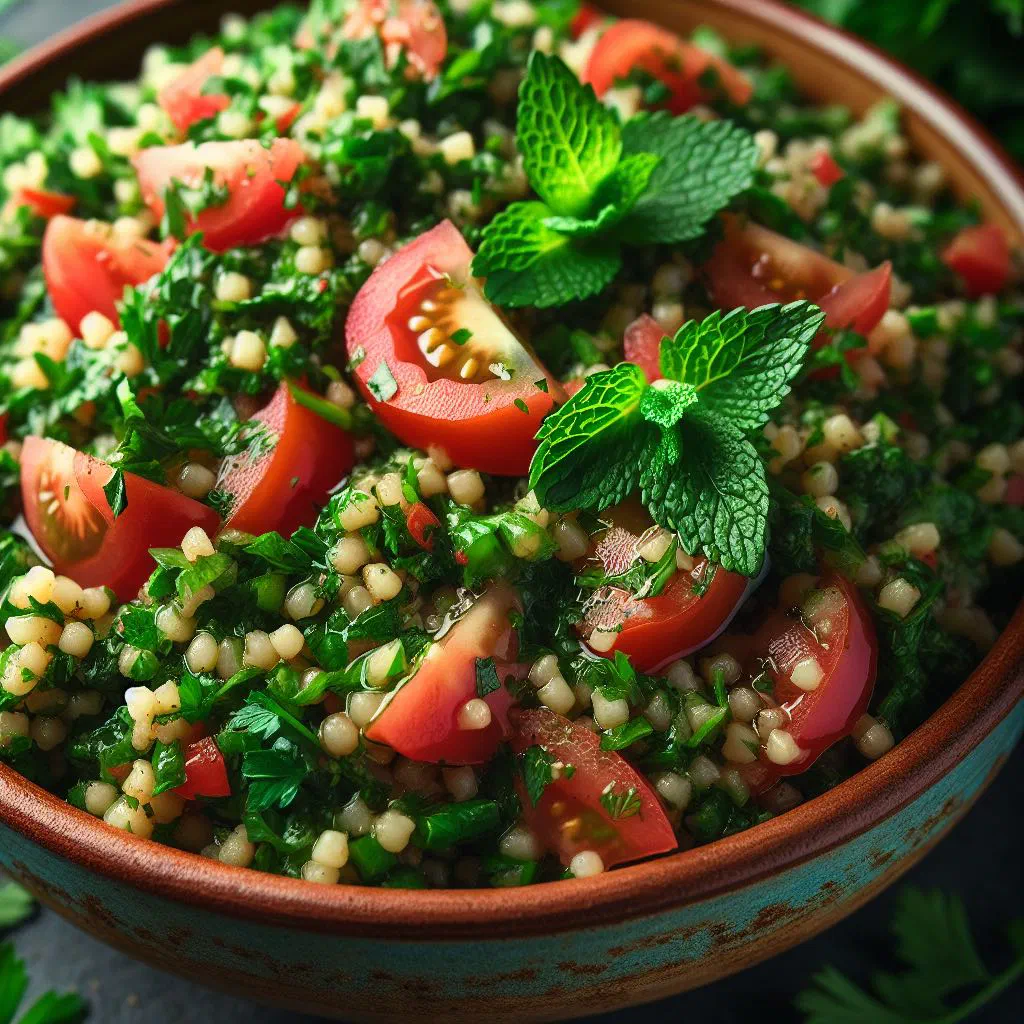
Meet Tabbouleh bi Burghul, one of Lebanon’s most refreshing and best-loved salads. Bright green with finely chopped parsley and studded with juicy tomatoes, it brings together nutty bulgur, a generous squeeze of lemon juice and good olive oil into something wonderfully light. It is a feast for both the palate and the eye, equally at home as a bright side or a healthy light meal, and especially welcome on a warm summer’s day.
About Tabbouleh bi Burghul
Tabbouleh bi Burghul is more than a treat for the palate; it is a feast for the senses. This traditional dish combines bulgur, one of the oldest grains known to humankind, with freshly chopped parsley, juicy tomatoes and a splash of lemon juice. Its harmonious flavours and crisp, fresh texture make tabbouleh an indispensable part of Mediterranean cooking. It works beautifully as a side dish or a light main course and is particularly popular during the warmer months.
Ingredients (serves 1–2)
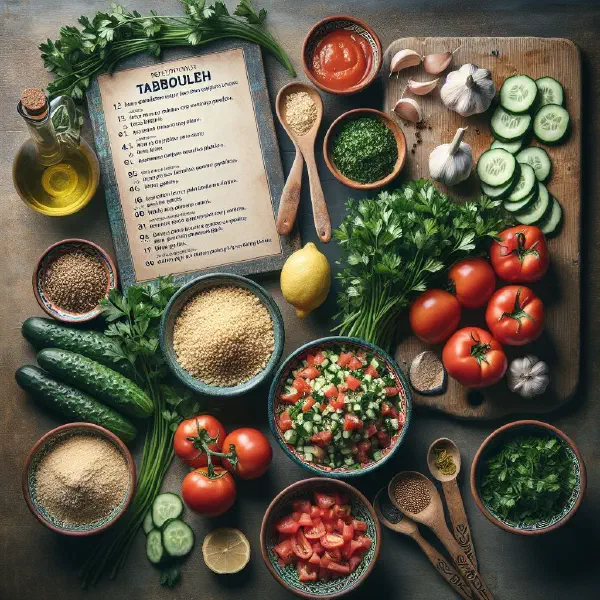
- 100 g bulgur
- 200 ml water
- 1 bunch fresh parsley
- 2–3 medium tomatoes
- 1 small onion
- 2 tablespoons lemon juice
- 2 tablespoons olive oil
- Salt and pepper, to taste
Shopping for the ingredients
Fresh, good-quality ingredients are essential when making Tabbouleh bi Burghul. Wherever possible, buy the parsley and tomatoes from a local market to guarantee their freshness. Look for a bulgur that is pre-cooked or quick to prepare, which will shorten the overall cooking time. The olive oil should also be of a high quality, as it contributes a great deal to the final flavour of the dish.
Preparing the dish
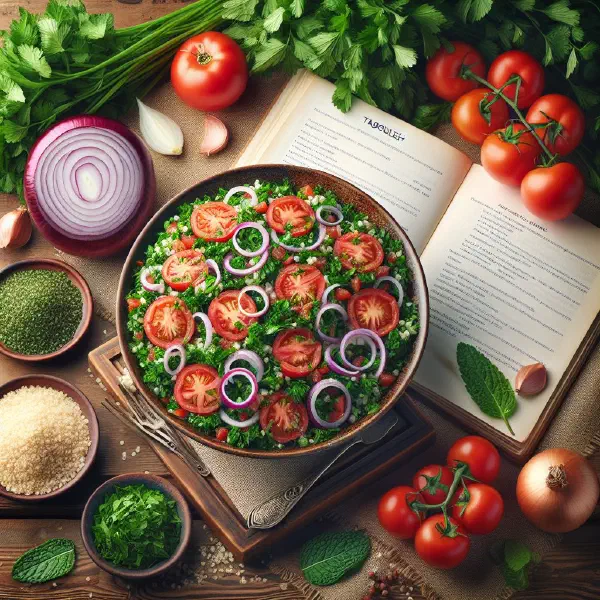
Preparing Tabbouleh bi Burghul could hardly be simpler, though it does reward a little attention to detail. First, pour boiling water over the bulgur and leave it to soak until tender. While it swells, you can finely chop the remaining ingredients, the parsley, tomatoes and onion. This creates a delicious combination that comes together harmoniously once mixed. Take care to chop everything to a similar, even size so the textures sit well together.
Step-by-step instructions
- Place the bulgur in a bowl and pour over boiling water. Cover and leave to soak for 15 minutes.
- While the bulgur swells, finely chop the parsley, tomatoes and onion.
- Once the soaking time is up, fluff the bulgur with a fork.
- Add the chopped ingredients to the bulgur.
- Pour in the lemon juice and olive oil, then mix well.
- Season with salt and pepper, and chill in the fridge for 30 minutes before serving to let the flavours mingle.
Gluten-free / lactose-free version
Making Tabbouleh bi Burghul gluten-free is straightforward: simply use quinoa in place of the bulgur. Quinoa is naturally gluten-free and offers a similar texture. The rest of the recipe stays exactly the same, so the flavours and textures of the classic dish remain intact. For a lactose-free version there is little to worry about. Just make sure that all the ingredients you use, such as the olive oil and seasonings, are lactose-free and contain no hidden sources of lactose.
Tips for vegans and vegetarians
The wonderful thing about Tabbouleh bi Burghul is that it is naturally vegan and vegetarian. It contains no animal products at all and is rich in vitamins and minerals. For an even more varied meal, you can round out the recipe with roasted vegetables or chickpeas. These additions bring extra flavour and more nutrients and protein.
More tips and tricks
A few touches will help refine your Tabbouleh bi Burghul, such as adding mint or spring onions to lend the dish a fresh note. Consider scattering a few cubes of feta over the top before serving to intensify the flavour. For added texture, you might also sprinkle on some toasted almonds or pine nuts. Letting the salad rest and mingle before serving deepens its flavour considerably.
Adapting the recipe to your taste
The recipe for Tabbouleh bi Burghul is highly adaptable. If you are not keen on onions, for instance, you can leave them out altogether or swap them for a little garlic. The amount of parsley or tomato can likewise be adjusted to suit your preference. If you like things a touch spicier, add a little chilli or paprika for an extra kick. Experiment with different herbs to find your perfect version.
Ingredient substitutions
Should you struggle to find certain ingredients for Tabbouleh bi Burghul, plenty of alternatives are on hand. Instead of bulgur, you can also use millet or vegetable-flecked quinoa. If fresh tomatoes are not available, cherry tomatoes or even sun-dried tomatoes make a good option. For a fruity aroma you might add pomegranate seeds, which lend the dish a special note, the same bright freshness that lifts a Rahib.
Drink pairing ideas
A range of drinks can accompany your Tabbouleh bi Burghul and underline its Mediterranean character. Lightly sparkling mineral water is a refreshing choice that highlights the salad’s flavours. A cold glass of white wine, such as a Sauvignon Blanc or a dry rosé, also pairs beautifully with the fresh ingredients. If you prefer something alcohol-free, a mint tea or a fruity lemonade makes a tasty companion.
Serving and presentation ideas
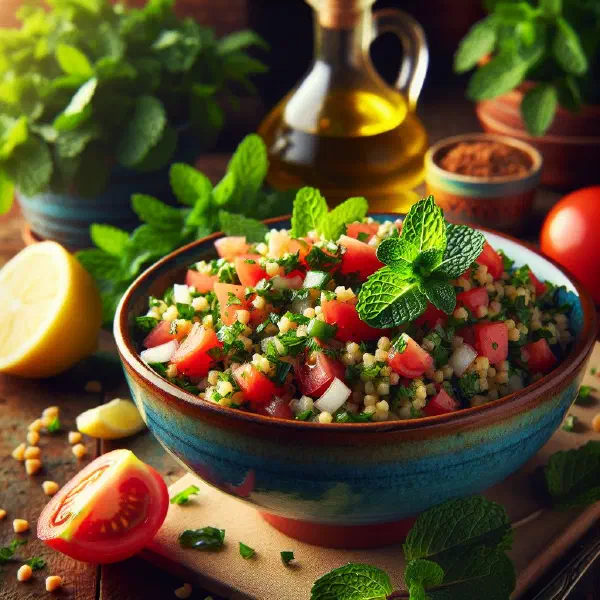
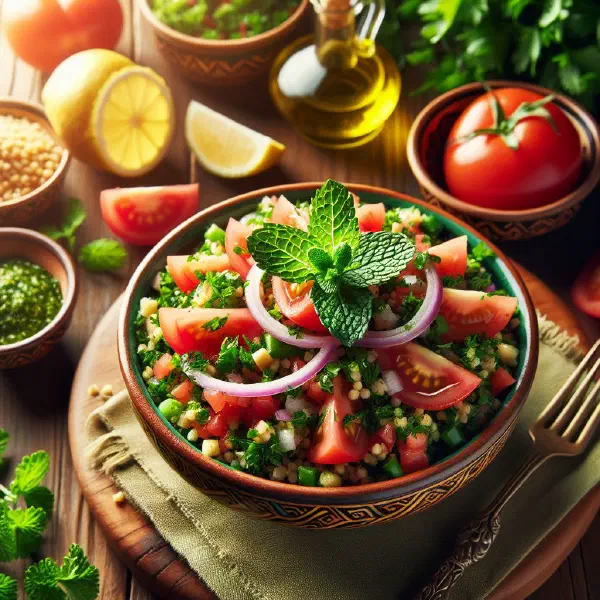
The presentation of Tabbouleh bi Burghul can greatly enhance the pleasure of eating it. Serve the salad in a large, shallow bowl so its bright colours can shine. A few fresh parsley or mint leaves as a garnish make the presentation especially appealing. You could also arrange the salad in small glasses or dishes to create an individual portion for each guest. These creative touches heighten the anticipation and turn any dinner into something special.
A bit of history
The roots of Tabbouleh bi Burghul reach deep into Levantine cooking, where the dish was traditionally enjoyed as a refreshing salad to counter the summer heat. The name “tabbouleh” comes from the Arabic word for “to season”, underlining its focus on fresh herbs and aromatics. It originated in the region of Lebanon and Syria and has since spread in many different variations across the entire Levant. It is more than just a dish; it is a symbol of cultural identity and of the rich culinary heritage of the Mediterranean, a cornerstone of Lebanese cuisine.
More recipe ideas
Summary: Tabbouleh bi Burghul
Tabbouleh bi Burghul is a refreshing Lebanese salad that fills a room with its wealth of flavours and textures. Ideal as a light side or a main course, it offers a way to enjoy wholesome ingredients in a thoroughly delicious form. Whether with fresh parsley, juicy tomatoes or that all-important splash of lemon juice, tabbouleh is a treat for any occasion. Let this time-honoured dish inspire you and bring the appeals to of the Mediterranean straight to your table.