National Dish Lebanon: Warak Dawali (Recipe)
In this article
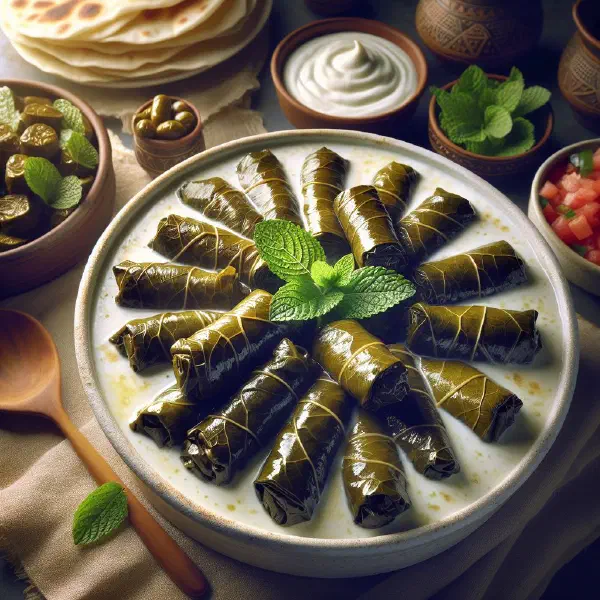
Discover Warak Dawali, the much-loved Lebanese classic of stuffed vine leaves. These neat little parcels wrap tender leaves around a savoury filling of rice, spiced mince and a bright squeeze of lemon. Tangy, herby and made for sharing, they sit at the heart of any mezze spread and turn a simple meal into a generous, sociable feast. Bring a taste of the Mediterranean straight to your own table.
About Warak Dawali
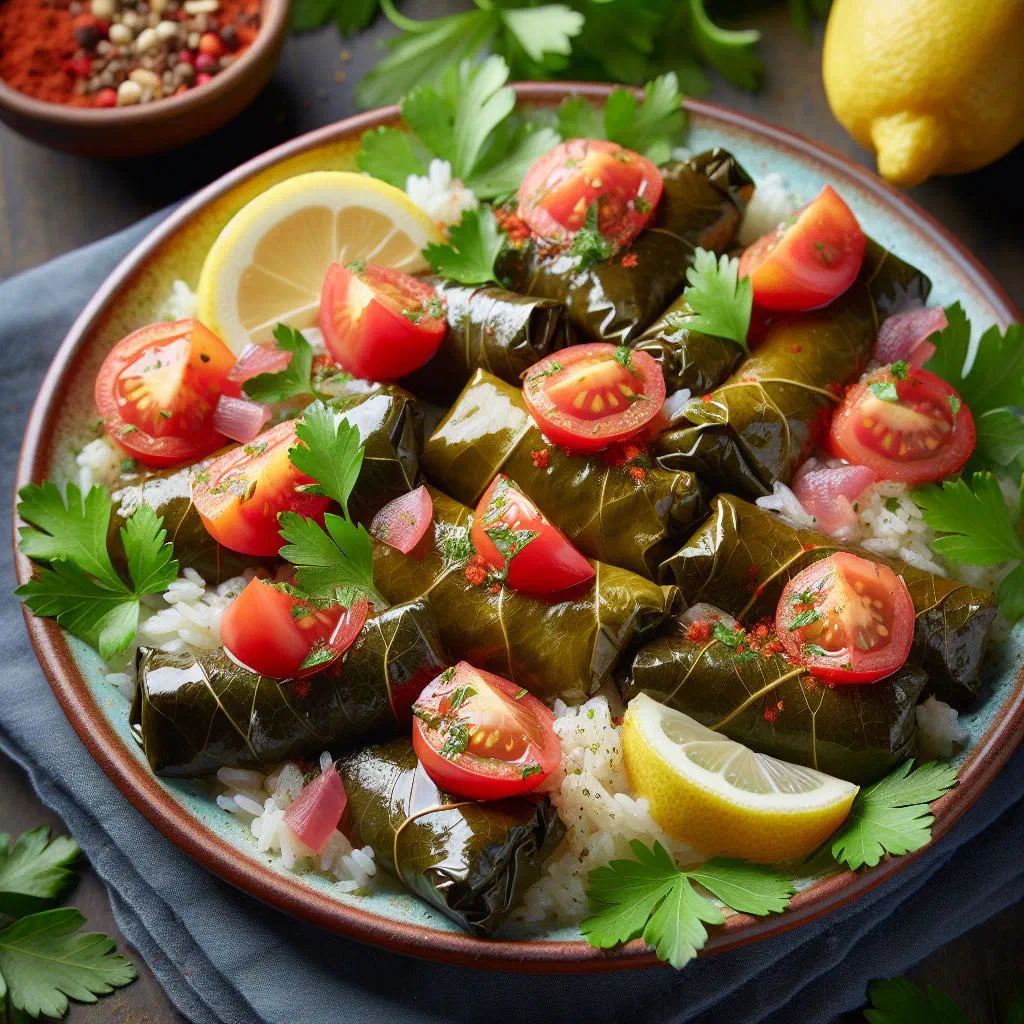
Warak Dawali are traditional stuffed vine leaves, a dish especially treasured in Lebanese cuisine. These delicious little parcels are made from tender vine leaves wrapped around a mixture of rice, minced meat and a generous handful of aromatic spices. The combination gives them a unique flavour that is at once savoury and gently tangy. Warak Dawali can be served either as a starter or as a main course, bringing a little piece of Mediterranean culture to the table.
Ingredients (serves 1–2)
- 10–12 fresh vine leaves
- 100 g minced meat (beef or lamb)
- 100 g rice (preferably long-grain)
- 1 onion, finely chopped
- 1 tsp paprika
- 1 tsp cinnamon
- Juice of 1 lemon
- Salt and pepper to taste
- Olive oil, for frying
- Water, for cooking
Shopping for the ingredients
When shopping for Warak Dawali, it is worth seeking out fresh vine leaves, as these give the best flavour. You will often find them in Asian supermarkets or in specialist food shops. The choice of meat matters too; use fresh, good-quality mince for a particularly tender result. Don’t forget to buy your spices fresh, especially the cinnamon and paprika, as they are crucial to the aroma.
Preparing the dish
Getting Warak Dawali just right depends on careful preparation of the ingredients. Begin by gently rinsing the vine leaves and blanching them in boiling water to make them more pliable. Meanwhile, prepare the filling by combining the rice with the minced meat and spices in a bowl. This mixture should be well seasoned to guarantee the rich, savoury flavour the dish is known for.
Step-by-step instructions
- Blanch the vine leaves for 2–3 minutes in boiling water and leave them to cool.
- In a bowl, combine the minced meat, rice, onion and spices.
- Place a tablespoon of the mixture on each vine leaf and roll it up carefully.
- Heat olive oil in a large pan and arrange the stuffed leaves inside.
- Pour the lemon juice and water mixture over the top and leave everything to simmer over medium heat.
- Serve the Warak Dawali warm or at room temperature.
Gluten-free / lactose-free version
Warak Dawali are naturally gluten-free and can easily be made without lactose, as they contain no dairy products. Take care to choose your ingredients thoughtfully, particularly if you are using pre-seasoned or preserved items. Freshly prepared spices and fillings guarantee a wholesome dish suited to special dietary needs. That way you can enjoy the full range of flavours in Warak Dawali with no worries at all.
Tips for vegans and vegetarians
For a vegan or vegetarian version of Warak Dawali, simply swap the minced meat for mixed vegetables or lentils. When choosing your rice, take care not to use a pudding rice. Spices such as cumin and parsley lend the filling extra flavour and aroma. These adjustments let you enjoy the dish to the full without losing its traditional character, much like the all-vegetable Loubiyeh bil Zeit.
More tips and tricks
- Experiment with different spices to create new variations.
- Blanching the vine leaves makes them easier to roll and improves the texture.
- Serve a fresh yoghurt dip or a Tabbouleh bi Burghul salad on the side.
- Arrange the Warak Dawali in a large dish for a convivial, sharing atmosphere.
Adapting the recipe to your taste
You can adapt this recipe to your personal taste by trying out different fillings. Add feta cheese or sun-dried tomatoes, for instance, to give the dish a juicy, fuller flavour. With the spices, you might use chilli to create a hotter version. Your guests will appreciate the wonderful variety of aromas.
Ingredient substitutions
If you can’t find fresh vine leaves, you could use glass noodles for a creative twist. The minced meat can also be replaced with soy mince or mushrooms to make vegetarian and vegan versions, just as it would be in a hearty plate of Kafta. Try different types of rice too, such as basmati or jasmine, to give the dish a special character. Tweaks like these make Warak Dawali a wonderfully versatile and adaptable dish.
Drink pairing ideas
The right drinks are just as important for rounding off the Warak Dawali experience. A crisp white wine or a rosé pairs beautifully with the flavours of the dish. For an alcohol-free option, sparkling mineral water or a homemade lemonade works well and underlines the freshness. These combinations enhance the eating experience and create an inviting atmosphere at every meal.
Serving and presentation ideas
The way you present your Warak Dawali can lift the whole meal considerably. Serve the stuffed vine leaves in a generous arrangement on a large plate or platter. Garnish the dish with fresh herbs such as mint or parsley for an extra splash of colour. If you arrange the Warak Dawali in individual bowls, your guests can choose their own portions and add to the sociable mood.
A bit of history
Warak Dawali have a long tradition in Lebanese and the wider Mediterranean kitchens. The dish is often served at family gatherings and festive occasions, where it stands for community and tradition. Originally, leftovers from stews and other dishes were wrapped in the vine leaves, creating a wonderful way to use up odds and ends creatively. The recipe is handed down from generation to generation and remains an important part of Lebanese cuisine and cultural heritage.
More recipe ideas
Summary: Warak Dawali
Warak Dawali are a wonderful example of delicious Lebanese cuisine. These stuffed vine leaves offer a perfect balance of flavour and tradition. They are a popular choice for celebrations and sociable get-togethers. Let yourself be won over by the simple preparation and the delicious result.