National Dish Lebanon: Warak Enab bil Laban (Recipe)
In this article
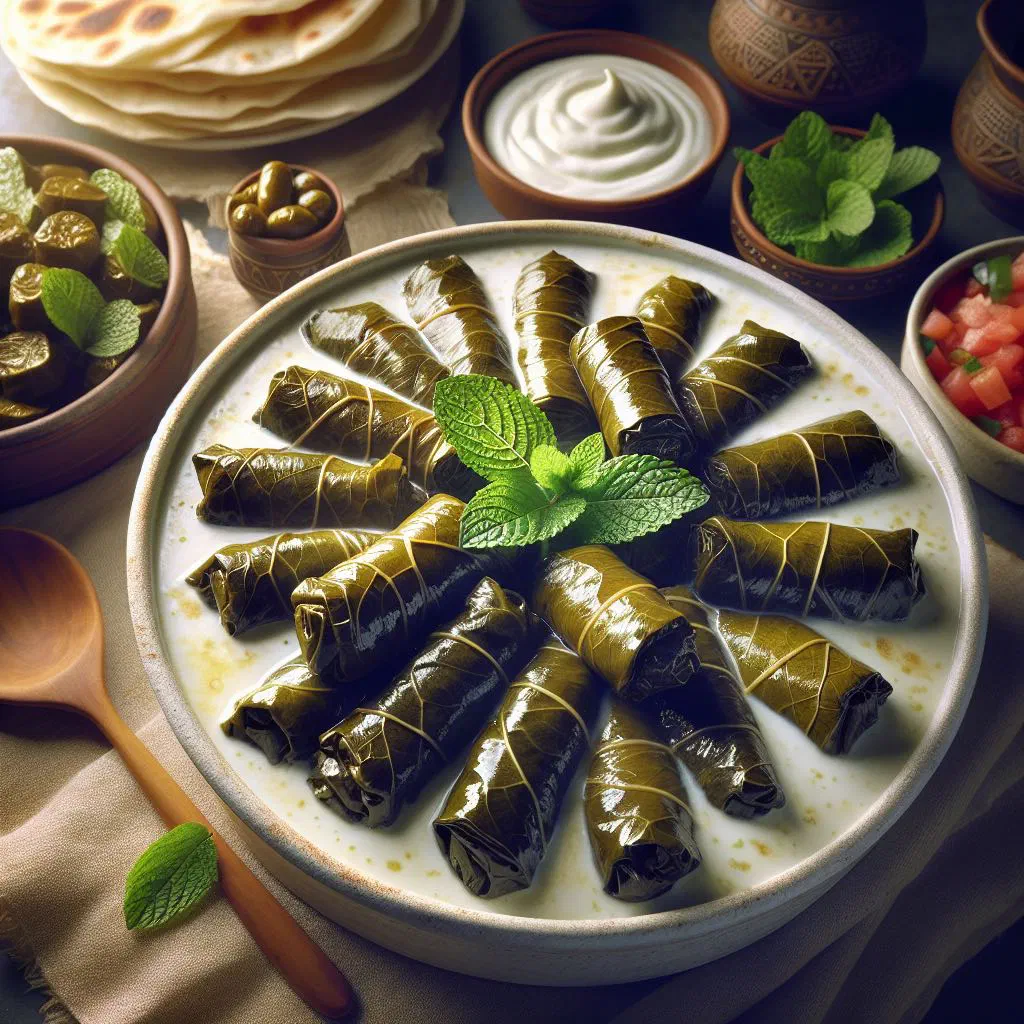
Say hello to Warak Enab bil Laban, a beloved Lebanese classic of tender vine leaves wrapped around fragrant, spiced rice and finished in a cool, creamy yoghurt sauce. The contrast of soft, herby parcels with the gentle tang of yoghurt makes this a dish that feels both comforting and quietly elegant. It is a wonderful centrepiece for a special occasion, yet relaxed enough for an unhurried supper at home.
About Warak Enab bil Laban
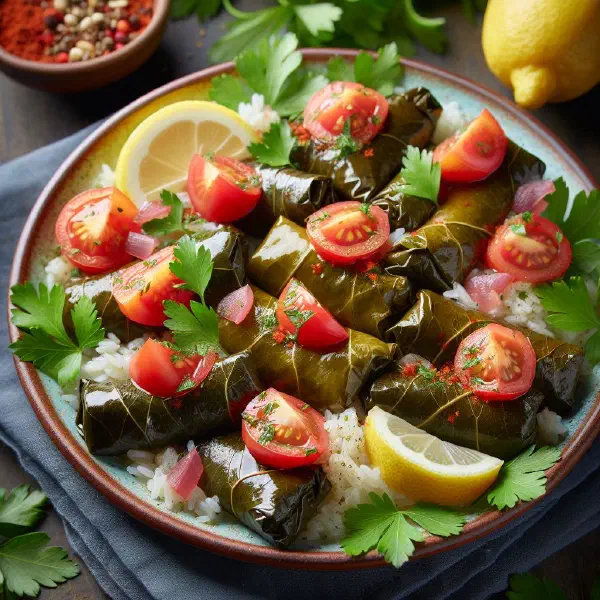
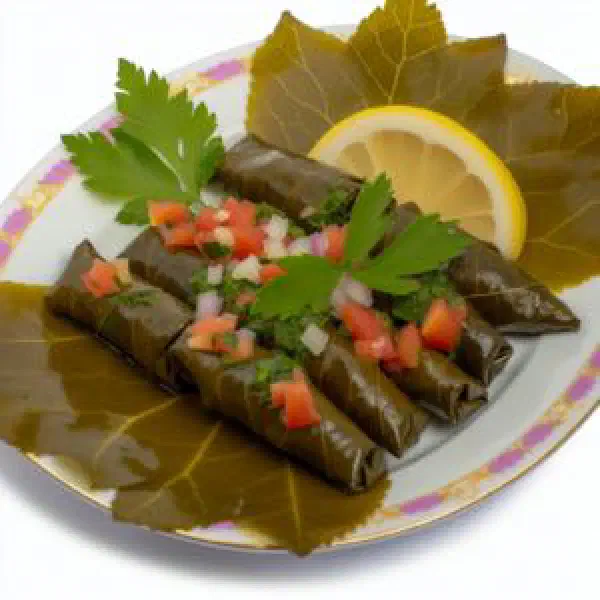
Warak Enab bil Laban is a traditional Lebanese dish built around delicate stuffed vine leaves. The tender leaves are filled with a fragrant mixture of spiced rice and aromatic herbs, then gently simmered until soft. The parcels are served bathed in a creamy yoghurt sauce that lends the dish a lovely tang and a wonderfully rich texture. It is a recipe that appeals to every sense, equally at home at a festive gathering or a cosy evening meal.
Ingredients (serves 1–2)
- 200g fresh vine leaves
- 100g rice (preferably long-grain)
- 1 onion, finely chopped
- 2 tomatoes, diced
- 1 teaspoon paprika
- 1 teaspoon cinnamon
- Salt and pepper, to taste
- 500ml yoghurt
- 2 tablespoons olive oil
- 2 garlic cloves, crushed
- 1 tablespoon lemon juice
Shopping for the ingredients
Fresh ingredients are essential for a good plate of Warak Enab bil Laban. You can often find vine leaves at Middle Eastern grocers or larger international supermarkets. Look for leaves packed in brine without added preservatives, as these give the cleanest, best flavour. It is worth choosing good-quality rice and spices too, so the aromas come through at their brightest. Many of these ingredients are also easy to order online.
Preparing the dish
Rinse the rice thoroughly and leave it to soak in water for about 30 minutes. While it soaks, chop the onion and tomatoes and measure out your spices. In the meantime, blanch the vine leaves briefly in hot water so they turn soft and pliable, ready to roll. These small preparations are key to a successful result.
Step-by-step instructions
- Sauté the soaked rice and the finely chopped onion in a pan with olive oil until the onion turns translucent.
- Add the tomatoes and spices and cook briefly to release their aromas.
- Pour in a few tablespoons of water and let the rice cook until it is almost tender.
- Lay the blanched vine leaves out on a clean surface and place a tablespoon of the rice filling in the centre of each.
- Fold in the sides of each leaf and roll up tightly to form neat little parcels.
- Layer the stuffed vine leaves in a large pot, then add water and a squeeze of lemon juice.
- Simmer the parcels over low heat for around 40 minutes.
- Meanwhile, stir the yoghurt together with the crushed garlic and a little seasoning.
- Spoon the yoghurt sauce over the warm Warak Enab bil Laban and serve.
Gluten-free / lactose-free version
Warak Enab bil Laban is easy to make gluten-free simply by preparing the filling with quinoa or a gluten-free rice blend. For a lactose-free version, swap the yoghurt for a lactose-free yoghurt or a plant-based alternative. These small adjustments let you serve the dish to guests with particular dietary needs without losing any of its character. You can still enjoy all its layered flavours, even in a gluten- and lactose-free form.
Tips for vegans and vegetarians
Warak Enab bil Laban adapts beautifully for vegans and vegetarians. In place of dairy yoghurt, reach for a plant-based option such as coconut or soya yoghurt. You can also enrich the rice filling with extra vegetables like courgette or carrot to add even more flavour and nutrition. These versions are not only delicious but bright and inviting on the plate.
More tips and tricks
A well-made plate of Warak Enab bil Laban takes a little practice. The key is to roll the vine leaves gently but firmly, so the filling stays put rather than spilling out during cooking. Take care not to overfill them, as the rice swells as it simmers. Feel free to experiment with the spices in the filling to discover new flavour notes.
Adapting the recipe to your taste
The wonderful thing about Warak Enab bil Laban is how flexible it is. Feel free to vary individual ingredients according to your own taste or what is in season. You might enrich the filling with different nuts or dried fruits, for example, which adds a whole new dimension. You could also try an alternative sauce or spice blend to bring the dish in line with your own preferences.
Ingredient substitutions
If certain ingredients are not to your liking or you have an allergy, there are usually tasty alternatives at hand. Instead of vine leaves, you can use cabbage leaves, especially if you prefer a different texture, much like the cabbage rolls in Malfouf. With the spices, feel free to experiment and choose milder or hotter blends to suit you, the same playful approach that brings life to Moujadara Safra. Substitutions like these mean you can always create a dish that fits your own palate.
Drink pairing ideas
A traditional Lebanese dish like Warak Enab bil Laban calls for fresh, light drinks. A chilled glass of grape juice or a crisp white wine complements the flavours beautifully. A herbal tea, particularly mint tea, is another excellent choice to round off the experience. The right accompaniment can lift the whole meal and bring everything into pleasing harmony.
Serving and presentation ideas
Presentation can make all the difference to a first impression. Serve the Warak Enab bil Laban on a large platter, garnished with fresh herbs such as parsley or mint. To show off the yoghurt sauce, you might serve it in a separate bowl alongside. A thoughtful arrangement appeals to both the eye and the palate, and turns the meal into a genuine occasion. Perfect served as part of a wider mezze spread with Tabbouleh bi Burghul.
A bit of history
Warak Enab bil Laban has a long history within Lebanese cuisine, reaching back to antiquity. Vine leaves are a common ingredient across many Mediterranean kitchens, with each community developing its own recipes and variations. Pairing stuffed vine leaves with a yoghurt sauce reflects the mingling of cultures throughout the region. Thanks to its enduring popularity, the dish has become a symbol of hospitality and warmth across much of the Middle East.
More recipe ideas
Summary: Warak Enab bil Laban
Warak Enab bil Laban is a delicious dish that has won the hearts of countless lovers of Lebanese food. The pairing of stuffed vine leaves with a creamy yoghurt sauce makes it a truly memorable experience. Whether for a festive occasion or a relaxed evening meal, this recipe brings a piece of Lebanese culture to your table. Let the flavours enchant you and savour the rich variety of Lebanese cooking.