National Dish Lebanon: Warak Enab (Recipe)
In this article
Discover Warak Enab, one of Lebanon’s most cherished vegetable dishes, made from tender vine leaves wrapped around a fragrant filling of rice and vegetables. Light, wholesome and naturally vegan, it is the kind of dish that feels equally at home on a festive mezze table or at a relaxed family supper. Simple to prepare yet full of bright, lemony flavour, it brings a taste of the eastern Mediterranean straight to your kitchen.
About Warak Enab
Warak Enab is a much-loved vegetable dish from Lebanon, built around vine leaves and a savoury filling of rice seasoned with vegetables, olive oil and lemon. It is celebrated both for its delicate flavour and for how easily it slots into a vegan menu, making it a favourite for shared meals and gatherings. The dish is hearty yet refreshing, and it can be served warm or at room temperature. With its balance of soft rice and tangy citrus, it turns any occasion, from a casual dinner to a festive party, into something special.
Ingredients (serves 1–2)
- 2 cups basmati rice
- 1 packet vine leaves
- 1 cup onions, diced
- 1/2 cup peppers, diced
- 1/2 cup tomatoes, diced
- 1/4 cup olive oil
- 2 tablespoons tomato purée
- 2 tablespoons lemon juice
- Salt and pepper, to taste
Shopping for the ingredients
For this dish it is well worth using fresh vine leaves, which you can find in the chilled section of many supermarkets. If fresh leaves are not available, frozen vine leaves work just as well. All the other ingredients are easy to source in any regular supermarket. When it comes to the olive oil and the tomato purée, choose the best quality you can. They make a real difference to the final flavour.
Preparing the dish
Begin by cooking the basmati rice according to the packet instructions so it is ready when you need it. While the rice cooks, drain the vine leaves and dice the onions, peppers and tomatoes. With everything chopped and to hand, the rest of the recipe comes together smoothly and at a relaxed pace.
Step-by-step instructions
- Heat the olive oil in a large pan and sauté the onions until softened.
- Add the peppers and tomatoes and cook everything together.
- Stir in the tomato purée, salt and pepper and mix well.
- Add the cooked rice and stir until evenly combined.
- Add the vine leaves and fold everything together gently.
- Let the mixture simmer for around 5 minutes.
- Stir through the lemon juice until well combined.
- Serve the dish warm.
Gluten-free / lactose-free version
Warak Enab is naturally gluten-free and lactose-free, which makes it ideal for guests with dietary restrictions. The rice filling contains no wheat, so the dish suits anyone with a gluten intolerance straight away. As it relies on olive oil rather than butter, there is no dairy to worry about either. Simply double-check any pre-made tomato purée for hidden additives, and you can serve this Lebanese classic with complete confidence.
Tips for vegans and vegetarians
If you live a vegan lifestyle, you can use coconut oil in place of the olive oil, and a vegan tomato sauce instead of plain tomato purée. The dish is already free of animal products, so it suits both vegans and vegetarians beautifully. Take care to avoid hidden ingredients in any pre-processed foods, and reach for fresh, seasonal vegetables wherever possible to keep the flavour authentic.
More tips and tricks
To get the very best from your Warak Enab, let it simmer gently over low heat so the rice absorbs the flavours of the vegetables and lemon. A final squeeze of lemon juice just before serving lifts the whole dish and adds a pleasant freshness. Roll the leaves snugly but not too tightly, as the rice needs a little room as it warms through. A touch of fresh mint or parsley stirred into the filling adds another welcome layer of flavour.
Adapting the recipe to your taste
Warak Enab is wonderfully versatile and easy to tailor to personal preference. Add a pinch of chilli or extra black pepper if you like a little heat, or keep the seasoning gentle for a milder result. You can vary the filling with pine nuts, chickpeas or fresh herbs to suit your own taste. This way you can shape a version of the dish that fits exactly what you are in the mood for.
Ingredient substitutions
If certain ingredients are not to hand, there are plenty of creative alternatives. Bulgur can stand in for some of the rice to give the filling a nuttier texture, much like the grain that shines in Tabbouleh bi Burghul. Courgette or aubergine can be added to the vegetable mix for extra body, and lime juice works nicely in place of lemon. Substitutions like these help you adapt the recipe to what is in season or to your own preferences.
Drink pairing ideas
This dish pairs perfectly with a glass of chilled iced tea or a glass of freshly squeezed orange juice. A cool homemade lemonade also complements its tangy, lemony notes, while a glass of cold herbal tea makes a soothing, refreshing match. Each of these keeps the meal light and lets the bright flavours of the vine leaves come through.
Serving and presentation ideas
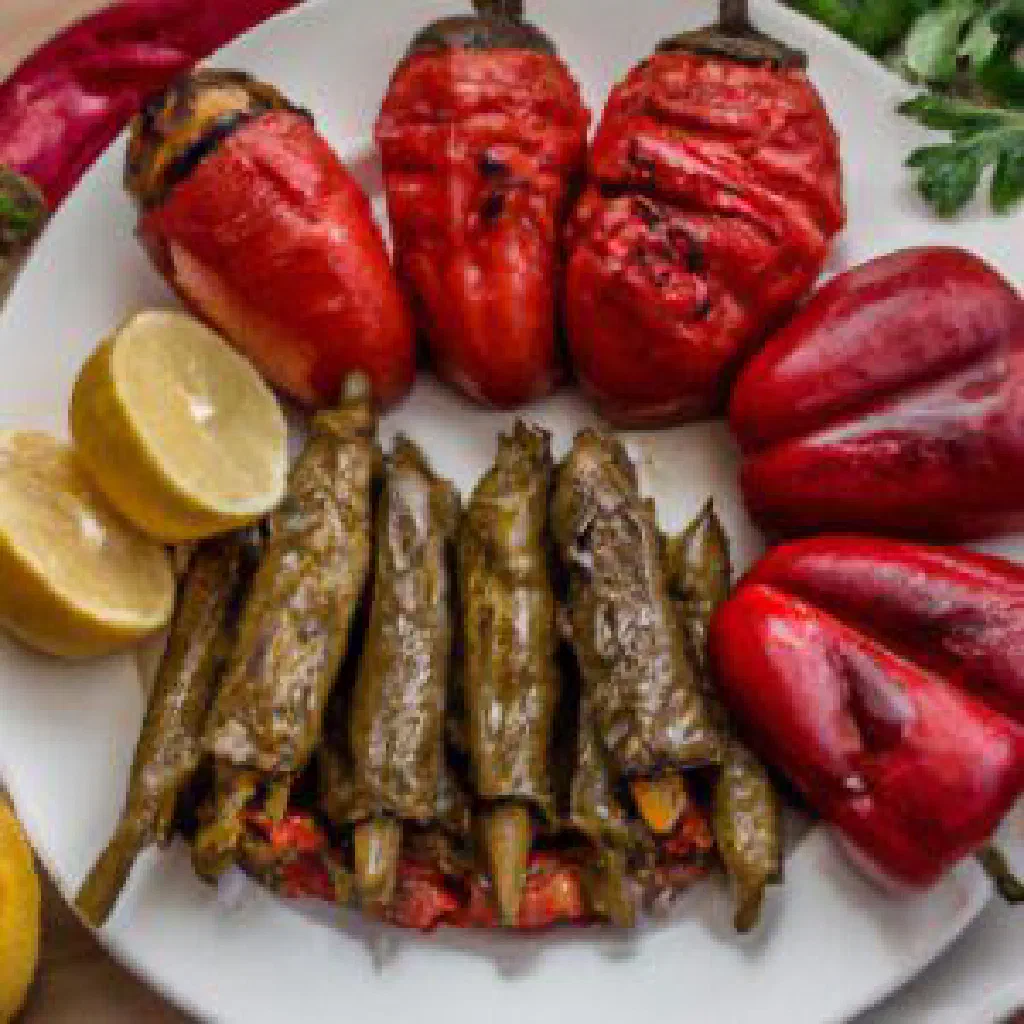
Presentation can lift the whole Warak Enab experience. Arrange the rolled vine leaves neatly on a large platter and scatter over a little chopped parsley for colour. Wedges of lemon around the edge add a bright, inviting touch and let everyone adjust the tang to taste. Small bowls of garlic yoghurt or a fresh salad alongside round out a generous mezze-style spread.
A bit of history
Warak Enab has deep roots in the cuisine of Lebanon and the wider eastern Mediterranean, where stuffed vine leaves have been prepared for centuries. The dish grew out of a tradition of making the most of seasonal produce, with vine leaves harvested fresh and filled with rice and vegetables. Over time it became a fixture of festive tables and family gatherings throughout the region. Today it remains a proud and enduring example of Lebanese cuisine.
More recipe ideas
Summary: Warak Enab
Warak Enab is more than just a dish; it is a celebration of the fresh, lemony flavours of Lebanon. With its tender vine leaves and fragrant rice filling, it is light, wholesome and naturally vegan, making it perfect for sharing. It brings colour and brightness to any table. Let this Lebanese classic inspire you and give it a try, your taste buds will thank you.