National Dish Lebanon: Yakhnet Fasoulia (Recipe)
In this article
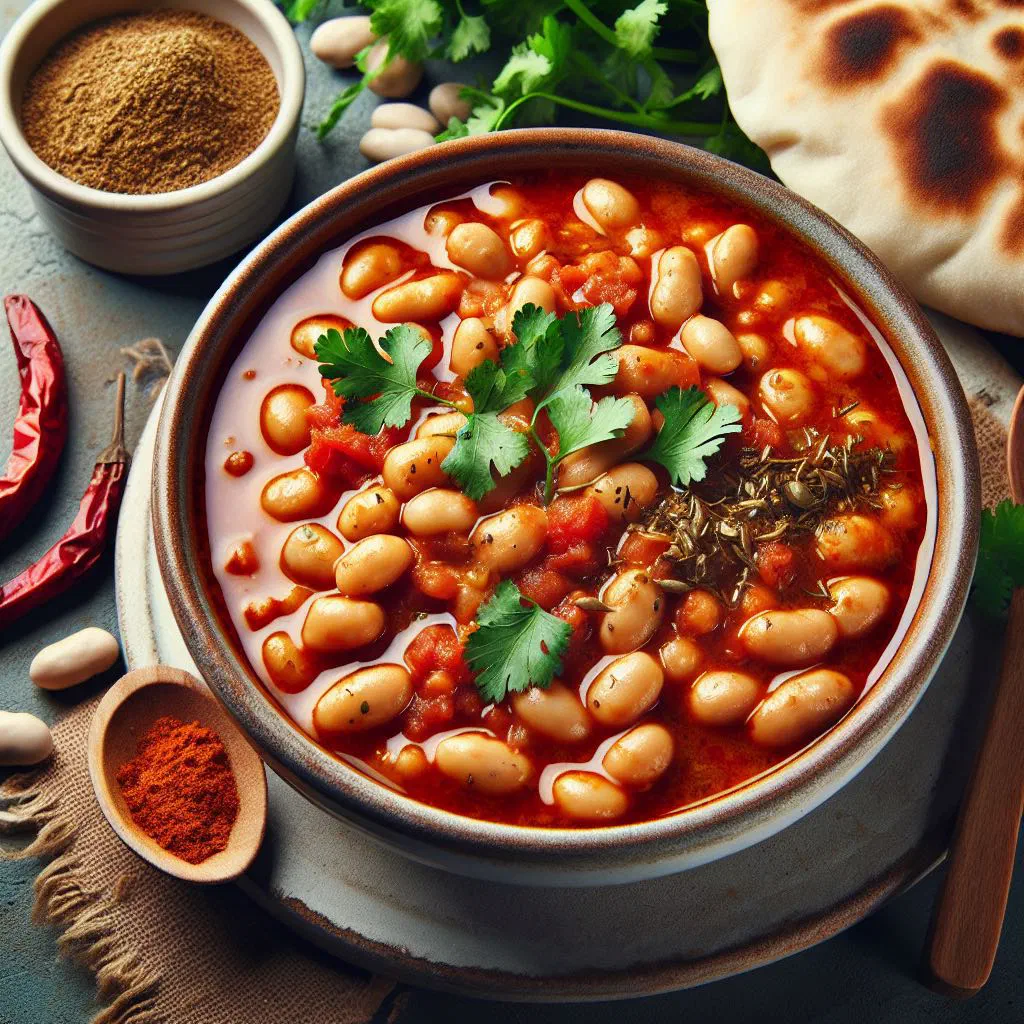
Discover Yakhnet Fasoulia, a wonderfully aromatic stew from Lebanon that brings warmth to any table. Tender white beans are simmered with ripe tomatoes, fragrant spices and morsels of tender meat until everything melts into a rich, comforting sauce. It is the kind of hearty dish made for sociable evenings and the famous spirit of Lebanese hospitality, where good food draws family and friends together. Bring a taste of the Levant into your own kitchen with this satisfying one-pot classic.
About Yakhnet Fasoulia
Yakhnet Fasoulia is a wonderfully aromatic stew from Lebanon that has earned a treasured place in everyday home cooking. It brings together tender white beans, fresh tomatoes, fragrant spices and lean meat to create a dish that is as nourishing as it is delicious. The variety of ingredients gives it a deep, satisfying flavour and makes it a genuinely wholesome meal. For anyone keen to get to know Lebanese cooking a little better, this stew is an absolute must.
Ingredients (serves 1–2)
- 200g white beans (dried or tinned)
- 200g beef or lamb, diced
- 1 large onion, chopped
- 2 large tomatoes, diced
- 2 cloves of garlic, chopped
- 1 teaspoon cumin
- 1 teaspoon paprika
- 2 tablespoons olive oil
- Salt and pepper, to taste
- Fresh parsley, to garnish
Shopping for the ingredients
To prepare an authentic Yakhnet Fasoulia, it is worth choosing fresh, high-quality ingredients. Visit a local market or a Middle Eastern grocery to track down the best beans and spices. Try to buy meat that has been responsibly reared, as this improves both the flavour and the overall quality of the dish. When picking up spices, check that they are fresh and well within their use-by date so they can release their full aroma.
Preparing the dish
Preparation is a crucial step when making Yakhnet Fasoulia. If you are using dried beans, they should be soaked overnight to make the cooking easier. Be sure to rinse the beans thoroughly before you begin. Cutting the onions, tomatoes and garlic into evenly sized pieces helps optimise the cooking time and ensures the flavours are distributed evenly throughout the dish.
Step-by-step instructions
- Rinse the soaked beans and bring them to the boil in a pan of fresh water.
- In a separate pan, brown the meat in the olive oil until nicely coloured.
- Add the chopped onion and garlic to the meat and sauté until the onion is soft.
- Stir in the diced tomatoes and the spices, then let everything simmer for a few minutes.
- Add the pre-cooked beans and let it all braise gently over low heat for about 30 minutes.
- Season with salt and pepper and let it rest briefly. Garnish with fresh parsley before serving.
Gluten-free / lactose-free version
Yakhnet Fasoulia is naturally gluten-free and contains no dairy, which makes it an excellent choice for anyone with intolerances. The ingredient list is built entirely on natural, unprocessed foods, so the dish is easily adapted to suit a gluten-free or lactose-free diet. When buying spices, just check that they contain no gluten-based fillers. After that, you can enjoy the dish entirely worry-free.
Tips for vegans and vegetarians
Yakhnet Fasoulia can be made vegan or vegetarian without any trouble at all. Simply swap the meat for mixed vegetables or a plant-based protein such as tofu or seitan. This gives you a meal that is delicious and wonderfully nourishing. Experiment with other vegetables such as carrots, courgettes or aubergines to add extra flavours and textures. And don’t forget to adjust the spices to your taste.
More tips and tricks
To intensify the flavour of Yakhnet Fasoulia, you can let the dish rest overnight in the fridge, allowing the flavours to develop even further. An extra squeeze of lemon juice just before serving lends the dish a refreshing note. Serve it with a side of bread or rice to soak up the delicious sauce. Feel free to experiment with different herbs to give it a personal touch, the same fresh approach that makes an herb salad like Tabbouleh bi Burghul so lively.
Adapting the recipe to your taste
Every cook has their own preferences and style, and Yakhnet Fasoulia is no exception. Adjust the spices to suit your palate, perhaps you prefer more chilli for a spicy kick, or less for a milder version. The dish can also vary if you add unexpected ingredients you enjoy, such as chickpeas or different kinds of beans.
Ingredient substitutions
If you are looking for alternatives to certain ingredients, there are plenty of options. Instead of white beans you could use black beans or kidney beans, which lend the dish a different colour and flavour. With the spices, feel free to experiment and bring in less common choices such as sumac or dill. Substitutions like these can add interesting new dimensions to your Yakhnet Fasoulia, much as they would brighten a fresh dish like Rahib.
Drink pairing ideas
Yakhnet Fasoulia pairs beautifully with a whole range of drinks. An aromatic red wine or a light white wine make excellent companions that highlight the flavours of the dish. Alternatively, you could serve a fresh mint tea or a yoghurt drink, both of which are particularly refreshing. If you prefer something alcohol-free, sparkling water or fruit juice are good options to round off the experience.
Serving and presentation ideas
The presentation of Yakhnet Fasoulia can be styled in many ways to impress your guests. Serve the dish in a large bowl, dressed with fresh parsley and perhaps a squeeze of lemon juice over the top. Add a few toasted pine nuts for extra texture and a touch of elegance. Remember to arrange any side dishes attractively to create a harmonious overall presentation.
A bit of history
Yakhnet Fasoulia has its roots in Lebanese cooking, which is renowned for its rich variety of flavours and ingredients. The dish reflects the tradition of Lebanese hospitality, in which generous and delicious meals are prepared to bring family and friends together. Historically, beans and pulses have played a central role in Arab cooking. With its combination of fresh ingredients and aromatic spices, Yakhnet Fasoulia has found a lasting place in people’s hearts and remains a comforting staple of Lebanese cuisine.
More recipe ideas
Summary: Yakhnet Fasoulia
Yakhnet Fasoulia is more than just a dish; it is a symbol of Lebanese culture and hospitality. With its combination of tender beans, fresh tomatoes and delicious meat, this stew is a genuine feast of flavour. Whether for a cosy dinner at home or a sociable gathering with friends, it brings a piece of the Middle East to the table. Let its variety and aromas inspire you, and savour the art of Lebanese cooking.