National Dish Lebanon: Yalanji (Recipe)

In this article
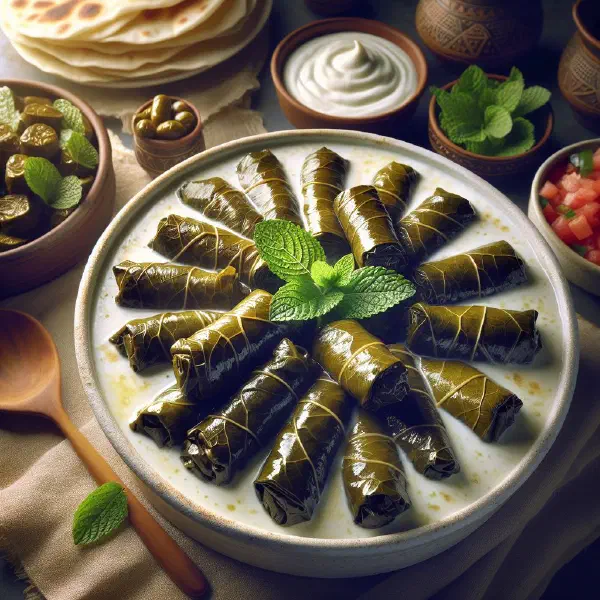
Meet Yalanji, the cool, herb-flecked stuffed vine leaves that grace almost every Lebanese mezze table. Tender vine leaves are wrapped around a fragrant filling of rice, parsley, dill and a generous squeeze of lemon, then gently simmered until soft. Served chilled or at room temperature, this vegetarian treat is light, refreshing and endlessly moreish. Proof that the simplest ingredients, handled with care, can become something quietly spectacular.
About Yalanji
Yalanji, also known as stuffed vine leaves, is a traditional dish from Lebanon. This vegetarian delicacy consists of tender vine leaves wrapped around an aromatic mixture of rice, herbs and spices. The filling varies from region to region and from family to family, giving every bite its own particular character. Yalanji is often served as a refreshing snack or as a hearty main, and it is held in high regard throughout Mediterranean cooking.
Ingredients (serves 1–2)
- 200g rice
- 20–30 fresh vine leaves
- 1 onion, finely chopped
- 2 garlic cloves, crushed
- 1 bunch fresh parsley, chopped
- 1 bunch fresh dill, chopped
- 2–3 tablespoons olive oil
- Juice of 1 lemon
- Salt and pepper to taste
Shopping for the ingredients
When shopping for the ingredients for Yalanji, look for fresh vine leaves, which you will find in many Mediterranean or Middle Eastern grocers. If fresh ones are not available, preserved vine leaves make a perfectly good alternative. Be sure to choose a good-quality rice, as it has a real influence on the texture and flavour of the dish. Herbs such as parsley and dill should be as fresh as possible to bring the full aroma to the filling.
Preparing the dish
Preparing Yalanji is straightforward but does call for a little time and patience. First, the vine leaves should be washed carefully and any tough stems removed. Next, make up the filling of rice, onion, garlic and herbs, mixing everything together well. It is important to season the filling generously so that every bite is tasty and aromatic. Once the filling is ready, the vine leaves can be filled and rolled.
Step-by-step instructions
- Soak the vine leaves in warm water to soften them.
- Mix the filling of rice, onion, garlic and herbs.
- Place a teaspoon of filling at the end of each vine leaf and roll it up.
- Lay the filled vine leaves in a pan and drizzle with olive oil and lemon juice.
- Top up with water and bring to the boil, then reduce the heat and leave to simmer for about 30–40 minutes.
- Allow the Yalanji to cool to the desired temperature before serving.
Gluten-free / lactose-free version
Yalanji is naturally a gluten-free and lactose-free dish, even when made with the traditional ingredients. The rice it relies on is an excellent base for anyone with a gluten intolerance. If you add any extra ingredients, just make sure these are gluten-free too. That way the whole family can be spared any allergy worries and tuck in with confidence, much like the bean-based Loubiyeh bil Zeit.
Tips for vegans and vegetarians
Yalanji is an ideal dish for vegans and vegetarians, as it contains no animal products at all. To make the filling even more varied, you can work in extra vegetables such as courgette or peppers. Pulses such as chickpeas also make a protein-rich addition. Beyond that, a range of spices and herbs can be used to tailor the dish exactly to your own taste.
More tips and tricks
A few simple pointers will help you get the most out of Yalanji. Handle the vine leaves gently so they do not tear, as a light touch makes for a far neater finish. Prepare the dish in advance and let it rest in the fridge for a few hours, giving the flavours time to develop properly. Serve the Yalanji chilled or at room temperature for the best results.
Adapting the recipe to your taste
Everyone has their own palate, so it is easy to adapt the recipe for Yalanji to suit yourself. If you like things spicier, add a little chilli or paprika to the filling. For a sweeter note, fold in a few raisins or cranberries. The interplay of sweet and savoury can enrich the whole experience enormously. Experiment with different herbs to discover new flavour combinations of your own.
Ingredient substitutions
If some ingredients for Yalanji are not to hand, there are good alternatives. In place of rice you can use quinoa, which has a similar consistency and offers more protein besides. For an even richer filling, add aubergine or mushrooms. Nuts such as pistachios or walnuts can also vary the texture and taste of the dish.
Drink pairing ideas
Yalanji pairs beautifully with a wide range of drinks. A glass of chilled white wine or a fresh rosé sits wonderfully alongside the dish’s flavours. For alcohol-free options, minted tea or fresh lemonade work excellently to round out the taste. A regional favourite such as ayran, a savoury yoghurt drink, brings extra freshness to the table. Enjoy the full Lebanese experience.
Serving and presentation ideas
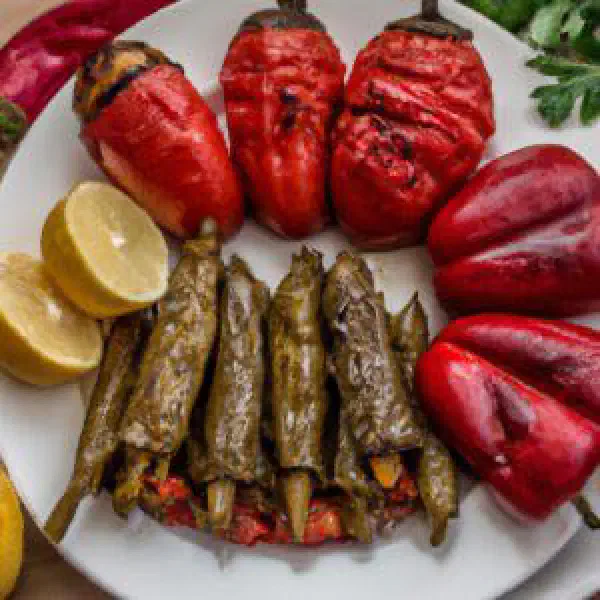
An attractive presentation can lift the whole Yalanji experience. Serve the stuffed vine leaves on a large, flat plate, garnished with fresh herbs and lemon wedges. Colourful sides such as an Arabic salad, think Tabbouleh bi Burghul, or a garlic dip can give the dish a real visual lift. Arrange the Yalanji neatly and evenly to create an inviting spread and whet the appetite.
A bit of history
Yalanji has a long history in Lebanese cooking and is not merely a dish but part of the country’s cultural identity. The art of preparing stuffed vine leaves reaches back to antiquity and has been refined over many generations. Yalanji is often served as a mark of hospitality and tradition, especially on festive occasions. Today the dish is loved not only at home but draws international food lovers too, all keen to discover the flavours of Lebanese cuisine and the wider Middle East.
More recipe ideas
Summary: Yalanji
Yalanji is a delicious and versatile dish that captures the flavours of Lebanese cooking. The stuffed vine leaves, rich in taste and aroma, are adaptable to almost any occasion. They offer an excellent snack-sized option and a thoughtful, wholesome choice for everyday eating. Let the cooking of the Levant work its magic, and savour the fascination behind every bite of Yalanji.