National Dish Lesotho: Basotho Bread (Recipe)
In this article
Discover Basotho Bread, the humble staple at the heart of Lesotho’s kitchens. Made from little more than maize flour and water, this simple, satisfying bread comes together in minutes and carries the honest, homely flavour of the mountain kingdom. It brings a taste of authentic Basotho cooking straight to your table.
About Basotho Bread
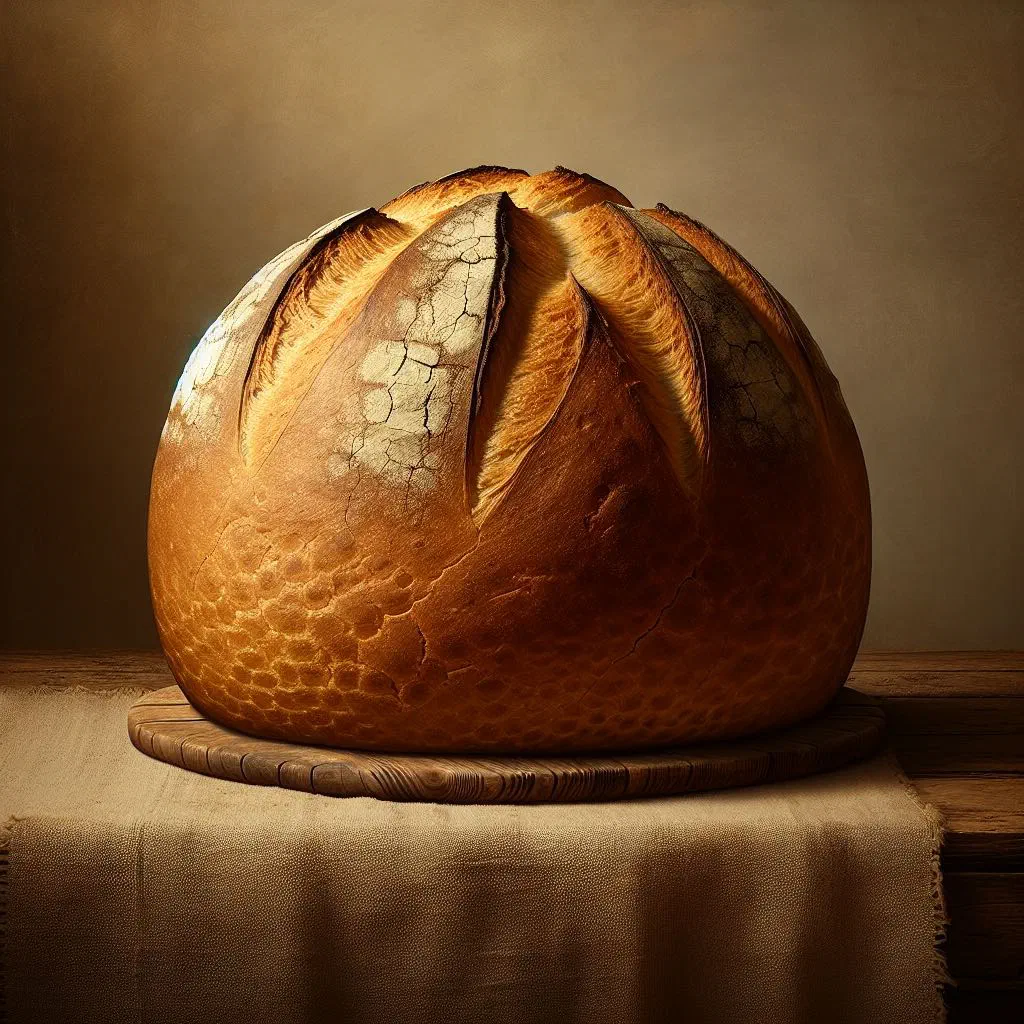
Basotho Bread is a traditional, flavoursome bread that originates in Lesotho. Eaten daily in many Basotho households, it is a firm part of the local food culture. The bread is made chiefly from maize flour and water, which makes it especially quick and easy to prepare. Basotho Bread is often served with hearty stews or enjoyed as a snack, making it a versatile addition to any meal.
Ingredients (serves 1–2)
- 250 g maize flour
- 300 ml water
- 1 pinch of salt
- Optional: 1 tablespoon oil or butter
Shopping for the ingredients
The ingredients for Basotho Bread are easy to find in most supermarkets or African and Asian grocery shops. Try to buy fresh maize flour, as the quality of the flour has a big influence on the flavour of the bread. When it comes to salt, you can reach for either coarse or fine, depending on your preference. If you would like a more aromatic loaf, a flavoured oil works beautifully too.
Preparing the dish
Before you start making the Basotho Bread, make sure you have all the ingredients you need to hand. It helps to prepare your work surface well and to set out your utensils, such as a large bowl and a frying pan. Since the bread comes together quickly, it pays to plan every step in advance. If you want to add extras like spices or herbs, get those ready at this stage too.
Step-by-step instructions
- In a large bowl, combine the maize flour with a pinch of salt.
- Slowly add the water and stir everything into a smooth dough.
- Optional: mix in a little oil or butter to enrich the flavour.
- Knead the dough briefly on a floured work surface.
- Heat a frying pan over medium heat and divide the dough into small portions.
- Fry the portions golden-brown on both sides, roughly 5–7 minutes per side.
Gluten-free / lactose-free version
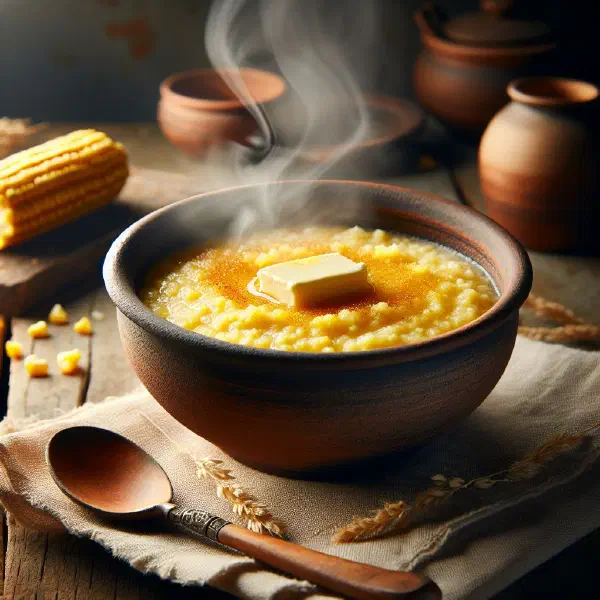
Because Basotho Bread is made mainly from maize flour, it is naturally gluten-free. For a lactose-free version, take care to choose lactose-free options when it comes to butter or any other ingredients. Plant-based oils are an excellent alternative for keeping the bread tender without introducing any lactose. This makes the recipe ideal for anyone with particular dietary needs, much like the naturally wholesome Cornbread Porridge.
Tips for vegans and vegetarians
Basotho Bread is already naturally vegan, as long as you use plant-based oils rather than animal fats. You can pair the bread with all sorts of plant-based spreads or dips to broaden the flavours. Herbs and spices are also easy to work into the dough if you fancy something more aromatic. Just be sure that every ingredient you use is vegan too, especially with any processed foods.
More tips and tricks
To make your Basotho Bread especially fluffy, let the dough rest a little longer before cooking. Giving the dough time improves the texture of the finished bread. Experiment with different flours. You could replace part of the maize flour with rice flour, for example. This brings extra flavours and textures to your bread and keeps things interesting.
Adapting the recipe to your taste
Everyone has different preferences when it comes to flavour, and Basotho Bread leaves plenty of room to adapt. You can vary the amount of salt or the type of fat to suit your taste. Sweet versions of the bread, made by adding a little sugar or honey, bring a new and interesting note. Try different combinations to create your own perfect version.
Ingredient substitutions
If you do not have maize flour to hand, you can also use other gluten-free flours such as millet flour or quinoa flour to give the bread a new character. The water can be swapped for plant-based milk, which lends the bread extra depth of flavour. When it comes to oils, you can explore different tastes, such as olive oil or coconut oil. Small adjustments like these can make a big difference to the finished loaf.
Drink pairing ideas
A good piece of Basotho Bread goes wonderfully with a glass of fresh fruit juice or a light, sparkling mineral water. Traditional drinks such as kefir or a fruity tea also make a delicious accompaniment, as does a mug of the local Basotho Ale. For a heartier pairing, alcohol-free beers or homemade lemonade work well to underline the flavour of the bread. Feel free to experiment with different drink combinations.
Serving and presentation ideas
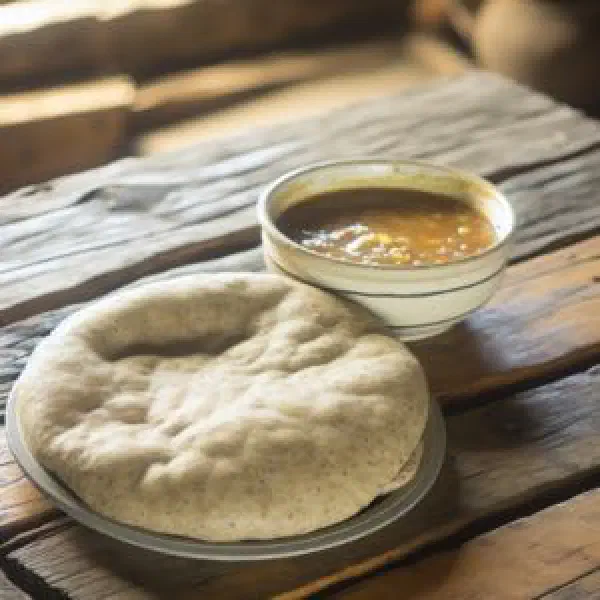
The presentation of Basotho Bread can add a great deal to the pleasure of the meal. Serve the bread on a rustic wooden board to create an authentic African atmosphere. Round out the spread with different dips or stews in pretty bowls, a Dinawa Stew or a warming Lesotho Beans Stew both make inviting partners. Fresh herbs or edible flowers can add a decorative touch and complete the overall picture.
A bit of history
Basotho Bread has a long tradition and is deeply rooted in the culture of Lesotho. Historically, this bread was an important source of food for the people, especially in rural areas. It was often prepared over open fires, which gave it a distinctive flavour. Today it is enjoyed in a variety of forms and recipes, yet it still reflects the simplicity and warmth of Basotho cooking, a spirit shared across Lesotho cuisine.
More recipe ideas
Summary: Basotho Bread
To sum up, Basotho Bread is a simply prepared yet flavoursome dish from Lesotho that works beautifully as a side or a snack. The wide range of usable ingredients and options for adaptation makes it a firm favourite for every kind of diet. Gluten-free or simply delicious, the possibilities are endless. Give this traditional recipe a go and bring a piece of Basotho culture into your own kitchen.