National Dish Lesotho: Masala Pap (Recipe)
In this article
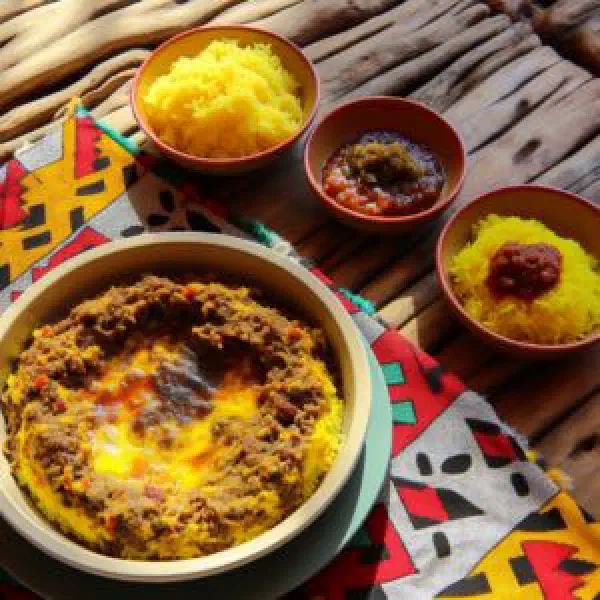
Say hello to Masala Pap, a warming taste of Lesotho that turns humble maize into something truly special. This golden porridge blends soft maize meal with a fragrant medley of spices, giving every spoonful a gentle warmth and a splash of colour. It is honest, nourishing food that suits both an everyday supper and a festive gathering, a comforting bowl that carries a real slice of African tradition straight to your table.
About Masala Pap
Masala Pap is a traditional dish from Lesotho, distinguished by its unique combination of spices and a handful of simple ingredients. It often appears at celebrations and special occasions, yet it is just as popular as everyday fare. The foundation is maize meal paired with a variety of spices that together create an astonishingly flavoursome experience. Beyond its taste, Masala Pap is wonderfully nourishing and delivers a good, steady dose of energy, much like the maize-based Papa that forms the backbone of the local table.
Ingredients (serves 1–2)
- 1 cup maize meal
- 2 cups water
- 1 teaspoon salt
- 1 teaspoon turmeric
- 1 teaspoon paprika
- 1–2 green chillies (to taste)
- 1 tablespoon oil
- Fresh coriander leaves, to garnish
Shopping for the ingredients
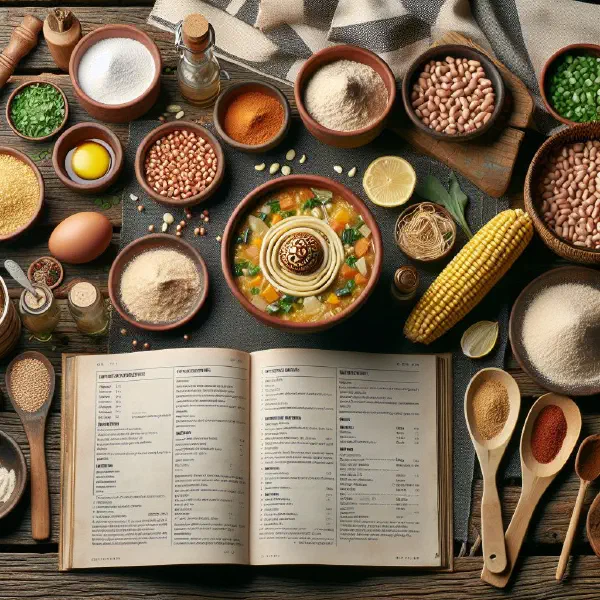
Making Masala Pap calls for fresh, good-quality ingredients. Most of what you need is easy to find in a well-stocked supermarket or at a local weekly market. Maize meal and spices such as turmeric and paprika can often be sourced from Asian or African grocers. It is well worth seeking out local and organically grown produce, as it noticeably improves the flavour of the finished dish.
Preparing the dish
Preparing Masala Pap is a straightforward process, though it does involve a few steps. First, finely chop the chillies so they distribute evenly throughout the dish. Have the remaining ingredients within easy reach to keep the cooking process smooth and relaxed. It also helps to have a suitable hob ready, since the dish is cooked entirely on the stovetop.
Step-by-step instructions
- Bring the water to the boil in a pan and stir in the salt.
- Reduce the heat and add the maize meal slowly, stirring constantly.
- Add the spices — turmeric, paprika and the chopped chillies.
- Work the mixture until it reaches a smooth, even consistency.
- Cover the pan and let the Masala Pap steam gently for a few minutes.
- Serve warm and garnish with fresh coriander leaves.
Gluten-free / lactose-free version
Masala Pap is naturally gluten-free, since it is based on maize meal. It is equally suitable for anyone with a lactose intolerance, as no dairy products are used at all. Relying only on water and oil makes this dish an excellent option for a range of dietary needs. Just take care to choose all your ingredients thoughtfully to be sure they are both gluten- and lactose-free.
Tips for vegans and vegetarians
Masala Pap is an ideal dish for vegans and vegetarians, as it contains only plant-based ingredients. It offers plenty of nourishment and works well either as a main course or as a side. To vary the flavour further, add extra vegetables such as spinach or carrots. This boosts the nutritional value and enriches the aromatic profile of the dish, much as it does in a hearty Moroho.
More tips and tricks
For an even deeper flavour, toast the spices lightly before using them. This awakens their aromas and makes the dish all the more tasty. It is also worth adjusting the consistency of the Masala Pap to your own liking, if you prefer a creamier version, add a little more water or shorten the cooking time. Small tweaks like these let you tailor each bowl to the moment.
Adapting the recipe to your taste
The recipe for Masala Pap lends itself beautifully to personal preference. You might try different spice combinations, for instance, to reach a whole range of flavours. Some people favour hotter versions, while others prefer a milder aroma. Experiment with the spices to create your own personal favourite, the same spirit of improvisation that gives Chakalaka its lively character.
Ingredient substitutions
If maize meal is not available, rice flour can be used as an alternative to achieve a similar texture. In some cases, millet flour or oat flour work too, both of which are gluten-free. Do keep an eye on the amount of water, adjusting it as needed to reach a suitable consistency. When you fancy something new, other spices or herbs are well worth trying to explore fresh flavour directions.
Drink pairing ideas
A number of drinks pair beautifully with Masala Pap. A traditional choice would be a freshly brewed black tea, which complements the flavours of the dish nicely. Alternatively, serve refreshing water with a squeeze of lemon or a fruity mocktail. These drinks help to temper the heat of the spices and round out a balanced meal, and a jug of Basotho Ale makes a spirited option for a gathering.
Serving and presentation ideas
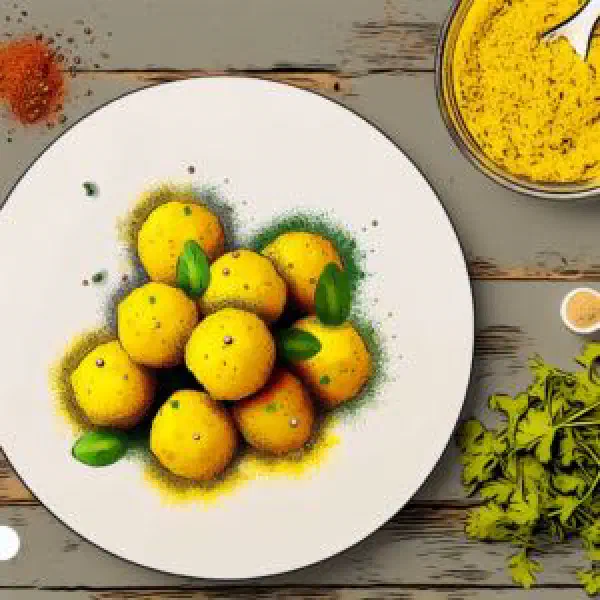
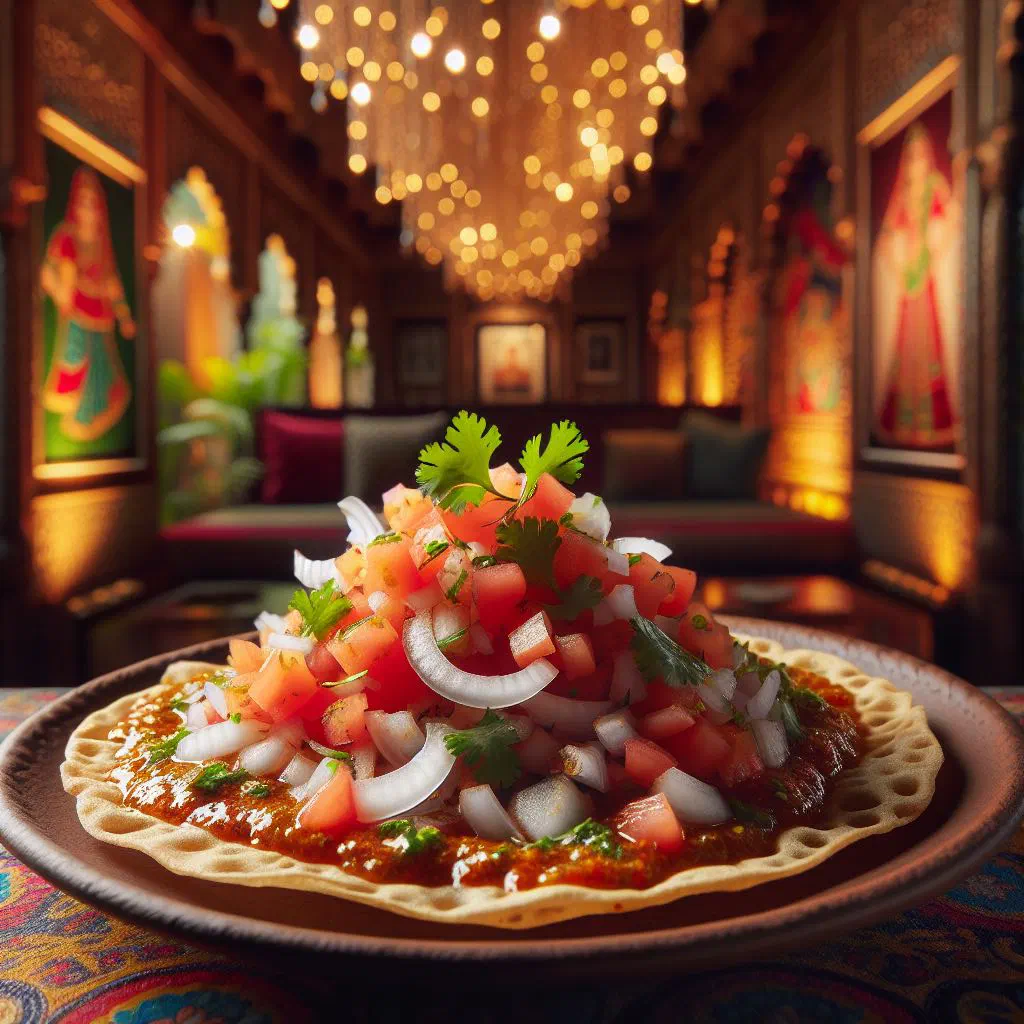
Presentation plays an important part when serving Masala Pap. It looks wonderful arranged on a large plate, surrounded by fresh herbs and perhaps a little vegetable. A colourful arrangement whets the appetite and lifts the whole dining experience. Experiment with different bowls and plates, too, to find the presentation that suits it best.
A bit of history
Masala Pap is deeply rooted in the culture of Lesotho and is frequently served at traditional festivals and gatherings. It reflects the land and the agricultural foundations of the country, where maize is a staple food. Historically, maize meal was also a symbol of prosperity and abundance within the community. The variety of spices used in this dish speaks to the influences and cultural diversity of the region, all part of the wider tapestry of Lesotho cuisine.
More recipe ideas
Summary: Masala Pap
Masala Pap is a flavoursome and nourishing dish that embodies the culinary tradition of Lesotho. With its simple preparation and adaptable ingredients, it is an ideal choice for anyone keen to try new flavours. Enjoy it on its own or as an accompaniment to other dishes, and bring the cuisine of Lesotho to life in your own kitchen. Let its aromas tempt you and discover the variety of this delicious dish.