National Dish Lesotho: Nama (Recipe)
In this article
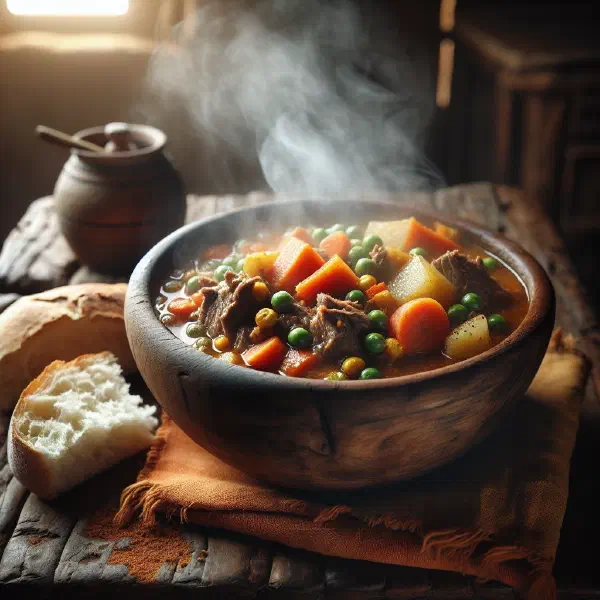
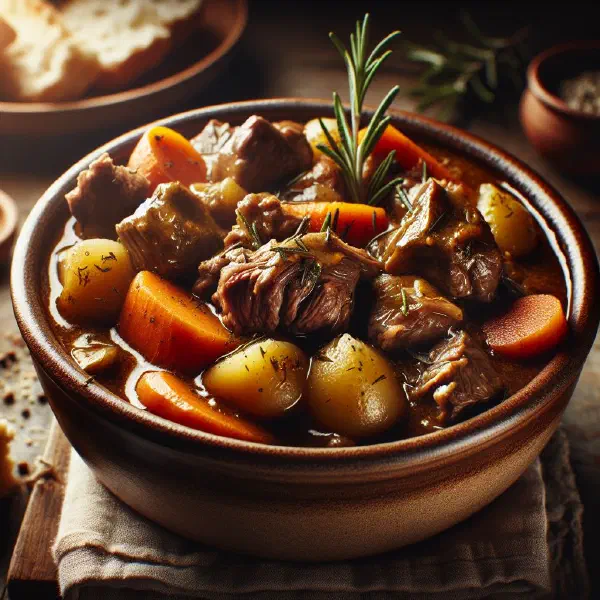
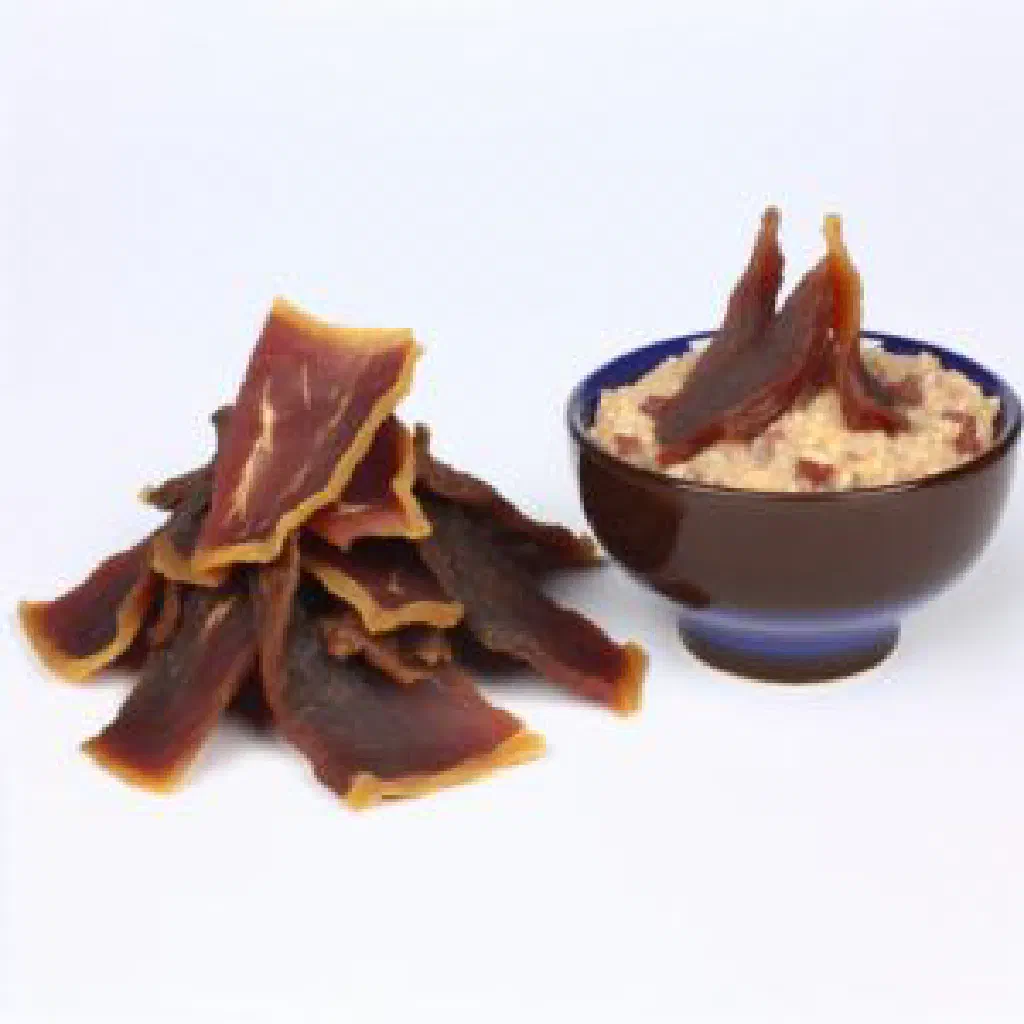
Say hello to Nama, the hearty national dish of Lesotho and a true taste of the mountain kingdom. Tender chunks of beef are slowly braised in a savoury, spiced sauce until they are meltingly soft and full of flavour. Warmed with cumin and paprika and rounded out with sweet carrots and ripe tomato, it is the kind of unhurried, soul-warming stew that draws family and friends around the table. Bring the flavours of Southern Africa straight to your own kitchen.
About Nama
Nama is the traditional national dish of Lesotho, and it stands out for its unmistakable, deeply savoury flavour. The dish is built around tender beef, gently braised in a rich sauce until it falls apart at the touch of a fork. The combination of warming spices and aromatic vegetables makes it a real treat for all the senses. More than just a meal, Nama speaks to the culinary richness of Lesotho while reflecting the country’s proud culture and long-held traditions.
Ingredients (serves 1–2)
- 500 g beef (such as shoulder or leg)
- 1 onion, diced
- 2 cloves garlic, chopped
- 2 carrots, sliced
- 1 large tomato, diced
- 2 cups beef stock
- 1 tsp cumin
- 1 tsp paprika
- Salt and pepper to taste
- 2 tbsp oil, for browning
Shopping for the ingredients
When shopping for the ingredients for Nama, it is worth seeking out fresh, good-quality produce. Head to a local market or a reliable grocer to pick up fresh beef, ideally a well-marbled cut that will stay tender through the long braise. Fresh vegetables and spices are just as important for coaxing out the full flavour of the dish, so a trip to a farmers’ market can really pay off when you are hunting for the very best ingredients.
Preparing the dish
Before you start cooking, a little thorough preparation makes all the difference. Cut the beef into evenly sized pieces so that everything cooks at the same rate. The onion, carrots and tomato should all be washed well and diced ready to go. Getting this groundwork done in advance means the cooking itself runs quickly and smoothly, leaving you free to concentrate on building up those wonderful flavours.
Step-by-step instructions
- Heat the oil in a large pot and sauté the diced onion until soft.
- Add the garlic and fry briefly until fragrant.
- Add the beef and brown it well on all sides.
- Stir in the carrots and tomato, mixing everything together thoroughly.
- Pour in the beef stock and add the spices.
- Bring to the boil, then cover and let it braise over low heat for at least 2 hours.
- Check on it now and again, stirring to make sure nothing catches on the bottom.
Gluten-free / lactose-free version
Nama is naturally gluten-free and lactose-free, as it contains no wheat- or dairy-based ingredients. That said, do check that your beef stock is certified gluten-free so the whole dish is safe for anyone with a gluten intolerance. If you are avoiding lactose there is nothing to swap out here, making this stew an easy choice for a range of dietary needs while keeping its delicious flavour fully intact.
Tips for vegans and vegetarians
Although Nama is traditionally made with beef, it lends itself well to vegan and vegetarian versions too. Replace the meat with plant-based proteins such as chickpeas or lentils, which soak up the spiced sauce beautifully. Smoked tofu cubes also make a great, satisfying alternative. Just remember to choose a purely plant-based stock as well, so the finished dish suits every kind of diet.
More tips and tricks
To deepen the flavours of Nama even further, try reaching for a few extra spices. A little ginger or chilli lends the dish a lovely warmth and character. A quick marinade of the spices with a splash of acidity, lemon juice or vinegar, can also give the beef an extra layer of flavour. Above all, patience is key: let the meat braise long and slow to reach that very good tenderness and full-bodied taste.
Adapting the recipe to your taste
The recipe for Nama leaves plenty of room for personal touches and variations. Many home cooks like to add their own favourite vegetables, such as peppers or courgettes, to make the dish more colourful. You can also dial the heat up or down to suit your palate by using more or less of the spicier seasonings. In this way you can easily tune the stew to different tastes around your table.
Ingredient substitutions
If you find yourself missing a few ingredients, there are plenty of alternatives that work just as well. Vegetable stock can stand in for beef stock to give a lighter result. For the vegetables, feel free to use whatever seasonal produce is available in your region. The beef itself can be swapped for chicken or game depending on what you have to hand, much like the hearty meat in a Maluti Lamb Stew or a slow-simmered Mohale Stew.
Drink pairing ideas
To let the flavours of Nama really shine, pair the dish with a full-bodied red wine or a refreshing beer. An earthy Merlot or a fruity Shiraz makes an ideal companion. For an alcohol-free option, a ginger beer or a mild sparkling water works nicely to balance the warmth of the spices. A homemade Basotho Ale is another cheerful, traditional match. These combinations all round out the meal beautifully.
Serving and presentation ideas
The way you present Nama can make all the difference to how appetising it looks. Serve the beef with a portion of rice or maize porridge for a traditional touch, a bowl of Papa is the classic choice. Garnish the dish with fresh herbs such as parsley or coriander to add extra colour and aroma. Arranging the plate thoughtfully makes the meal feel that little bit more special and invites everyone to gather round and share.
A bit of history
Nama has a long history and is deeply rooted in Basotho culture. It is often served at celebrations and festive gatherings, where it is a symbol of hospitality and togetherness. Preparing Nama is not only a culinary act but a tradition that binds the generations together. The dishes cooked in the homes of Lesotho tell stories of the people, the places and their shared past, a wonderful window into Lesotho cuisine.
More recipe ideas
Summary: Nama
Nama is a culinary highlight of Lesotho and a symbol of the country’s culture and traditions. With fresh ingredients and a hearty, unhurried preparation, it becomes a dish that both satisfies and appeals to. Nama brings the flavours of Africa straight to your table. Savour the variety and the rich aromas that this wonderful dish has to offer.