National Dish Lesotho: Phuthu (Recipe)
In this article
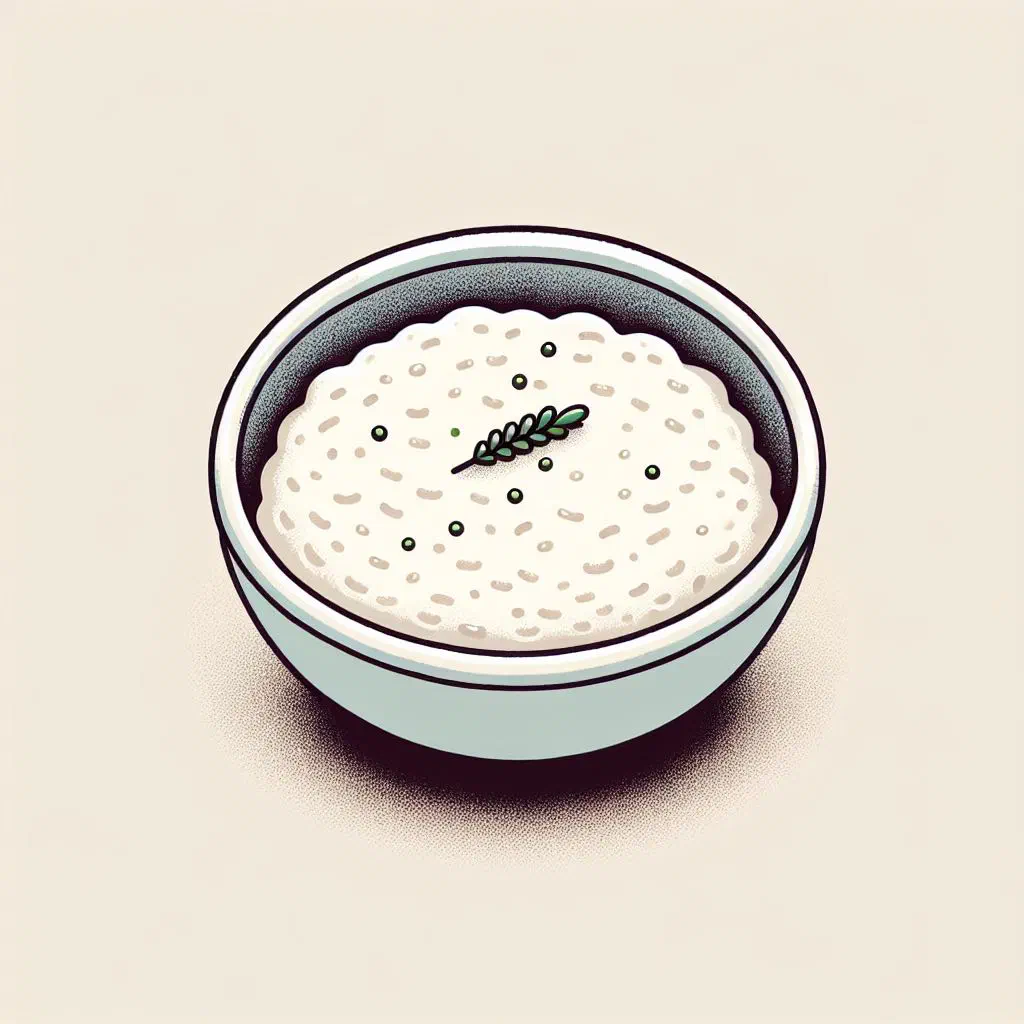
Discover Phuthu, the humble heart of Lesotho’s kitchen. This simple, nourishing maize porridge cooks up into a light, crumbly texture that soaks up the flavours of whatever it sits beside. Served alongside hearty stews and grilled meats, it is the kind of honest, comforting food that brings a table together. Bring a taste of the Basotho highlands straight to your own kitchen.
About Phuthu
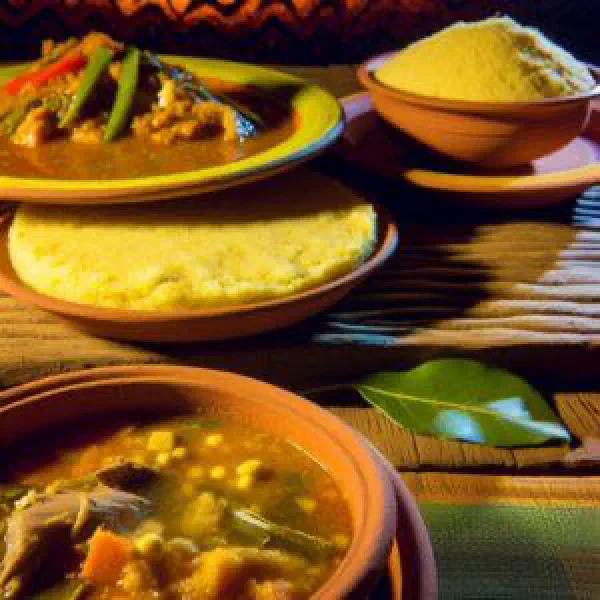
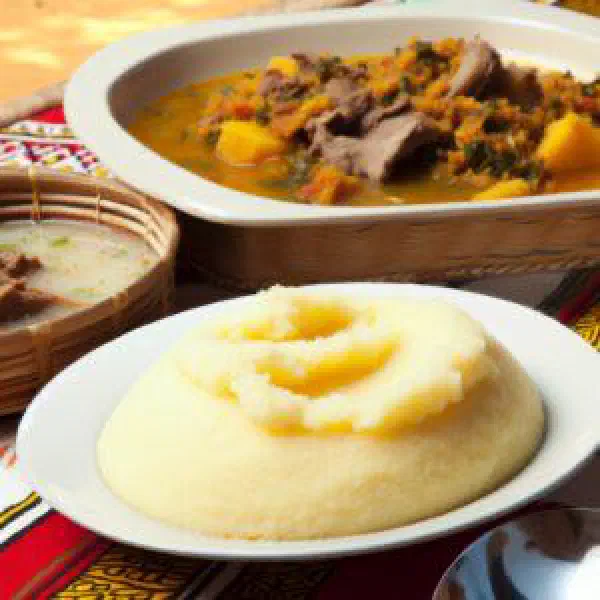
Phuthu is a traditional dish from Lesotho, prized for its simplicity and its wholesome, nourishing character. It is a kind of maize porridge made from maize meal (known locally as mielie meal), most often served as a side to a wide range of dishes. Phuthu is a cornerstone of Basotho cooking and a reflection of the country’s culture and traditions. It is the perfect dish to share on a sociable evening with family and friends.
Ingredients (serves 1–2)
- 200 g maize meal (mielie meal)
- 500 ml water
- 1 pinch of salt
- Optional: butter or oil for flavour
Shopping for the ingredients
When shopping for the ingredients for Phuthu, most people will find everything they need in a well-stocked supermarket or an African grocery. The key element is the maize meal, also known as mielie meal, which forms the base of the dish. Choose a good-quality meal to get the best possible flavour. The remaining ingredients, such as water and salt, are usually already sitting in the cupboard at home.
Preparing the dish
Preparing Phuthu is wonderfully simple and straightforward. Start by getting all your ingredients ready, as this makes the cooking process much easier. Bring the water to the boil in a large pan and add the salt to give the dish a little extra flavour. Once the water is bubbling away, it is the perfect moment to begin working with the meal.
Step-by-step instructions
- Tip the maize meal into a large bowl.
- Slowly pour the boiling water over the meal, stirring continuously to avoid lumps.
- Cover the bowl with a lid or a cloth and leave the mixture to swell for around 5–10 minutes.
- Once the Phuthu has cooled slightly, work it with your hands into a firm, crumbly consistency.
- Serve the Phuthu warm, ideally alongside meat dishes or hearty stews such as a Dinawa Stew.
Gluten-free / lactose-free version
Phuthu is naturally gluten-free, as it is made purely from maize meal. There are no concerns for those with a lactose intolerance either, since the dish requires no dairy products at all. If you are looking for extra flavour, plant-based butter or oils work beautifully and are also lactose-free. This makes Phuthu a great choice for anyone with specific dietary needs.
Tips for vegans and vegetarians
For vegans and vegetarians, Phuthu makes an excellent, filling side dish. It is easy to prepare without any animal products, so it fits neatly into a plant-based lifestyle. Pair it with mixed vegetables or a hearty stew like a Lesotho Beans Stew to create a complete and satisfying meal. Experiment with different spices and herbs to give the dish a personal touch.
More tips and tricks
To get the best results with Phuthu, it really is worth bringing the water to a proper boil before adding the meal. This ensures the texture stays pleasant and lump-free after the swelling stage. To build up the flavour, you can also stir in various spices as you combine the meal with the water. Steaming the dish is another option and can give it a softer, more tender texture.
Adapting the recipe to your taste
Phuthu is easy to tailor to your own preferences. To refine the flavour, add different herbs or spices to make the dish more interesting. Some people like to experiment by adding ingredients such as toasted nuts or seeds to boost both the nutrition and the taste. You can also adjust the consistency of the Phuthu by varying the amount of water, making it thicker or looser depending on what you prefer.
Ingredient substitutions
If you do not have maize meal to hand, you can try other gluten-free flours such as rice or buckwheat flour. These will swell up nicely and can give a texture similar to traditional Phuthu. You can also experiment with the salt, using sea salt or Himalayan salt to vary the flavour. Just be sure to adjust the quantities of the other ingredients accordingly for the best result.
Drink pairing ideas
Phuthu is often served with hearty dishes, which makes non-alcoholic drinks such as fresh juice or even buttermilk a good choice to round out the flavours. For those who prefer an alcoholic pairing, a light lager works well, harmonising perfectly with the dish, and a home-brewed Basotho Ale is another traditional match. A light red wine can also complement the meal nicely. Experiment with different drinks to find your ideal combination.
Serving and presentation ideas
The presentation of Phuthu can lift the whole dining experience. Serve it in a white bowl or on a traditional African plate to highlight the contrast with the hearty stews alongside it. Use fresh herbs to garnish the dish and add to its appeal. The colours of the rest of your table setting can also help to present the dish attractively and create a welcoming atmosphere for your guests.
A bit of history
Phuthu has its origins in the traditional practices of the Bantu peoples and has been prepared in Lesotho for generations. The dish has stood the test of time because it is both nourishing and filling, and can be served with an endless variety of sides. It is a symbol of Basotho culture and a witness to the simplicity of the everyday recipes passed down through small villages and communities. Every mouthful tells the story of a long culinary tradition, deeply bound to the land, and it sits at the heart of Lesotho cuisine.
More recipe ideas
Summary: Phuthu
Phuthu is a versatile and nourishing dish that reflects the cultural identity of Lesotho. Its simple preparation and the ease with which it can be adapted to personal taste make it a great choice for sociable evenings. At the same time, Phuthu brings together tradition and flavour, carrying the heart of Basotho cooking into your own kitchen. Give it a try and enjoy a touch of African culture at your table.