National Dish Liberia: Fish Palm Butter (Recipe)
In this article
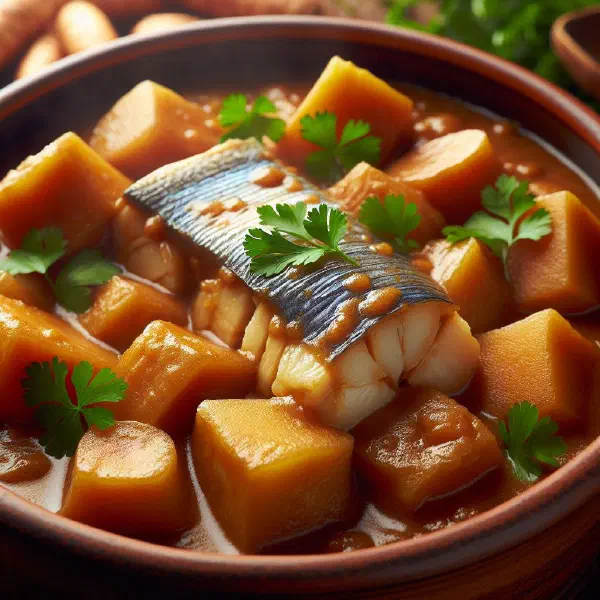
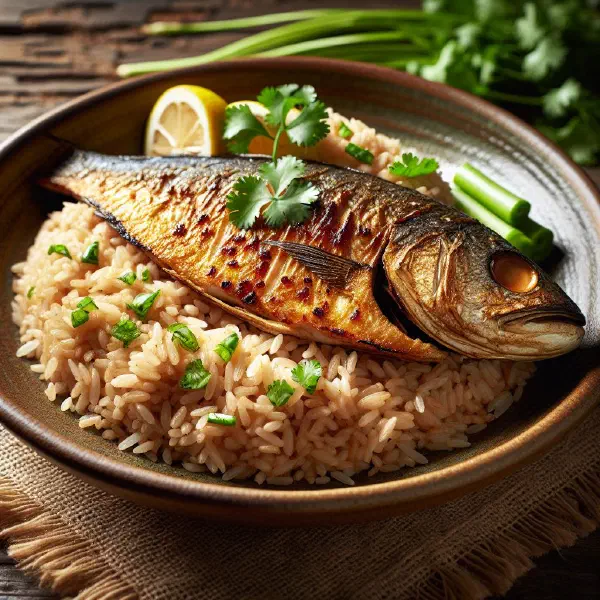
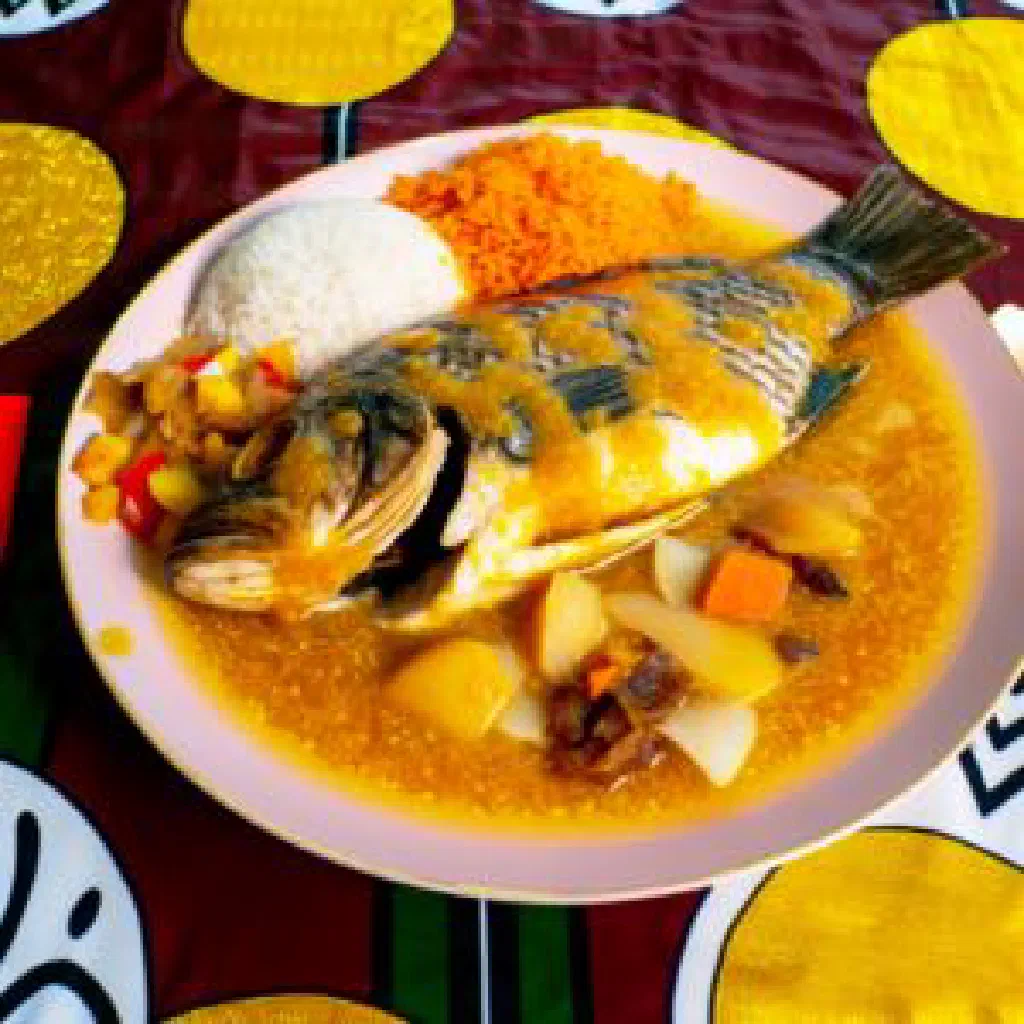
Few dishes capture the warmth of the Liberian table quite like Fish Palm Butter. Fresh fish simmers gently in a rich, russet-red sauce built on palm oil, ginger, garlic and just enough chilli to make things interesting. It is the sort of cooking that fills a kitchen with aroma long before anything reaches the plate, and it is traditionally served with rice or fufu to soak up every last spoonful of sauce.
About Fish Palm Butter
Fish Palm Butter is a traditional Liberian dish that appeals to the palate while carrying real cultural weight. It brings together fresh fish, aromatic spices and a creamy base drawn from palm oil, and the combination produces a flavour that wins over locals and visitors alike. It is usually served with rice or with Fufu, which turns it into a complete and thoroughly satisfying meal.
Ingredients (serves 1–2)
- 500 g fresh fish (tilapia or mackerel, for example)
- 4 tablespoons palm oil
- 1 onion, finely chopped
- 2 cloves of garlic, crushed
- 1 teaspoon grated ginger
- 2 tomatoes, diced
- 1–2 chillies, to taste
- Salt and pepper to taste
Shopping for the ingredients
To make Fish Palm Butter well, the freshest possible ingredients matter. Look for good-quality fresh fish that is easy to source where you live, local markets and dedicated fishmongers usually offer the best choice. The remaining ingredients should also keep well and be of decent quality, so that the finished dish can develop its full aroma.
Preparing the dish
Begin by getting everything ready, which makes the cooking itself far simpler. Wash the fish thoroughly and cut it into pieces. The onion, garlic and chillies should be finely chopped or crushed so their flavours come through properly. Wash and dice the tomatoes so they are ready to be folded into the sauce later on.
Step-by-step instructions
- Heat the palm oil in a large pot over a medium heat.
- Add the onion and fry until translucent.
- Stir in the garlic, ginger and chillies and fry for a further two minutes.
- Add the diced tomatoes and let the mixture simmer until the tomatoes have softened.
- Add the fish to the pot and cook for around 10–15 minutes, until it is done and tender.
- Season with salt and pepper and stir well before serving.
Gluten-free / lactose-free version
Fish Palm Butter is naturally gluten-free and lactose-free, which makes it an excellent choice for anyone with food intolerances. Do check that all your ingredients, especially the palm oil and the spices, contain no hidden gluten or dairy. Sticking to fresh, unprocessed ingredients is the surest way to keep the dish suitable for everyone at the table.
Tips for vegans and vegetarians
Although Fish Palm Butter is traditionally made with fish, there are well-established alternatives for vegans and vegetarians. Instead of fish, use tofu or vegetables such as aubergine and courgette to create an equally tasty version. These ingredients pair happily with the same spices and take on the flavours of the palm oil and aromatics, so vegetarians can enjoy the dish too, much as they would a Vegetable Stew.
More tips and tricks
To get the best from your Fish Palm Butter, keep a few things in mind. Use fresh spices and herbs to intensify the flavour. Experiment with extra vegetables or different varieties of fish to shape the recipe around your own taste. The right palm oil is decisive here; choose a good-quality, unrefined one for the best results.
Adapting the recipe to your taste
Fish Palm Butter is a flexible dish that adjusts easily to personal preference. Feel free to vary the heat by using more or fewer chillies, and to tune the other aromatic elements as you like. If you prefer something richer, a little coconut milk will add creaminess and round out the flavour. It is this adaptability that makes the dish so consistently rewarding.
Ingredient substitutions
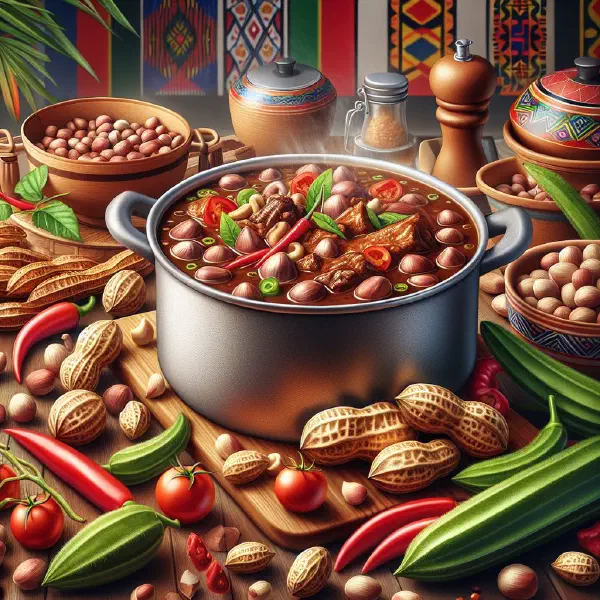
There are plenty of alternatives you can bring into Fish Palm Butter. Seitan or soya work well as protein-rich stand-ins for the fish. Other oils, olive oil among them, can step in where palm oil is unavailable or unwanted, though the colour and character of the sauce will shift. Substitutions like these open up a wealth of options for adapting the dish to local supplies or personal preference, the same thinking that underpins a good Groundnut Stew.
Drink pairing ideas
Several drinks round out the experience of Fish Palm Butter nicely. Light, fruity white wines such as Sauvignon Blanc harmonise beautifully with the flavours of the dish. For alcohol-free options, freshly pressed juices or a tropical cocktail make a refreshing accompaniment, as does a chilled glass of Hibiscus Tea. These pairings help make the meal genuinely memorable.
Serving and presentation ideas
Presentation can make a real difference to Fish Palm Butter. Serve the dish in a rustic bowl and garnish it with fresh herbs or slices of citrus fruit. A well-arranged plate, perhaps with a side of colourful vegetables or rice, helps the dish stand out visually. First impressions count, and an attractive presentation makes the food all the more inviting.
A bit of history
Fish Palm Butter has culinary as well as cultural roots in Liberia. In many families it is a tradition to prepare this dish for particular occasions and celebrations. The use of fish and palm oil reflects the country’s rich maritime culture and the ready availability of regional ingredients, a thread that runs through much of Liberian cuisine. That history shows in both the cooking and the eating, which usually happens in convivial company.
More recipe ideas
Summary: Fish Palm Butter
Fish Palm Butter is a delicious and nourishing dish that embodies the soul of Liberia. With its simple, distinctive ingredients and its openness to adaptation, it offers a flavourful experience for every palate. Whether as a main course or as part of a larger feast, Fish Palm Butter is a wonderful way to celebrate the rich culture and culinary tradition of Liberia. Let its aromas work their charm and dive into the flavours and stories of the country.