National Dish Liberia: Jute Leaf Soup (Recipe)
In this article
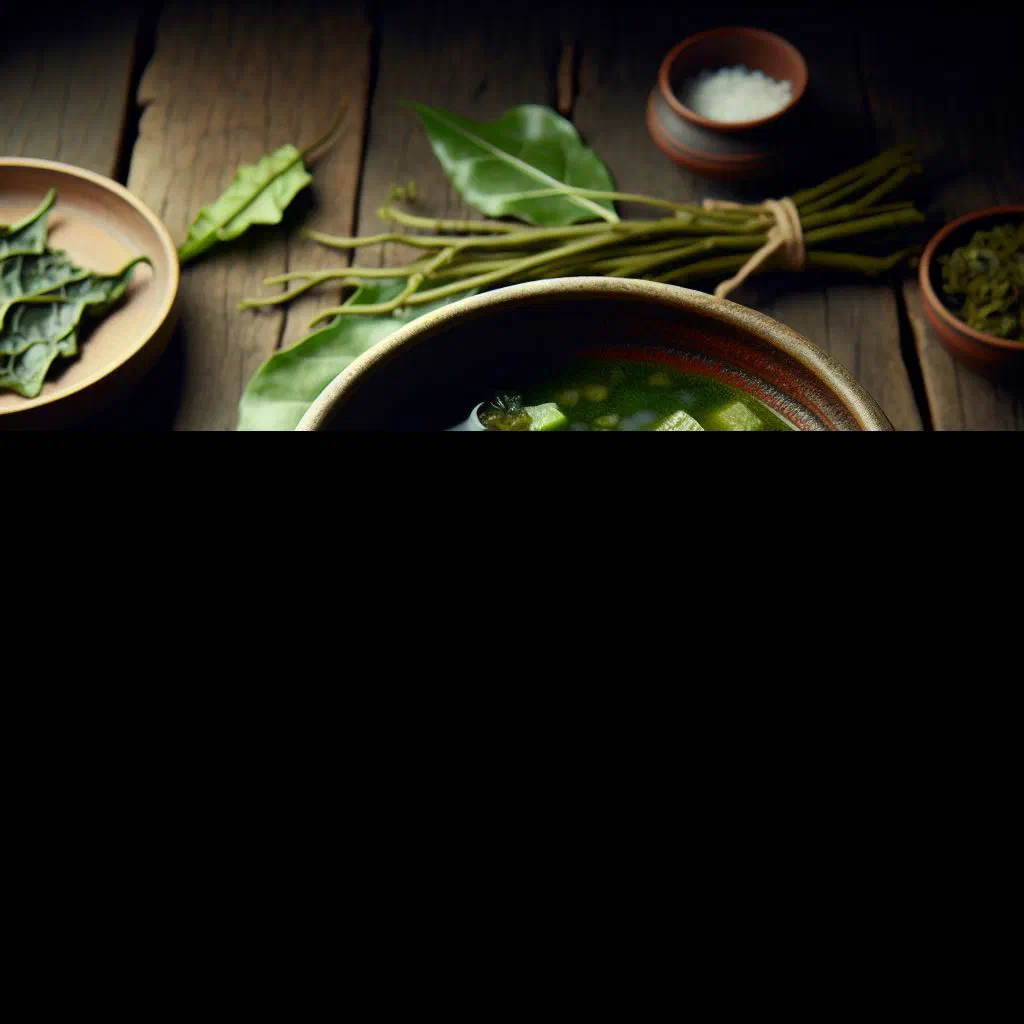
Few dishes capture the warmth of West African home cooking quite like Jute Leaf Soup. Silky, deeply green and gently thickened by the leaves themselves, this Liberian classic turns a handful of humble ingredients into something genuinely nourishing. A little palm oil, a knob of garlic and as much chilli as you dare give it a slow-simmered depth that belies how quickly it comes together. Serve it steaming over rice or beside a soft mound of fufu, and you have a meal built for sharing.
About Jute Leaf Soup
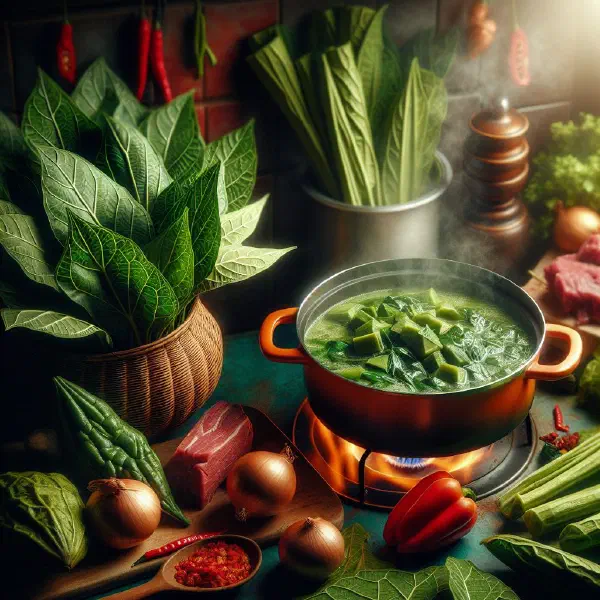
Jute Leaf Soup is a delicious dish and an important part of Liberian culture. This traditional meal is made from fresh jute leaves, combined with a range of spices and other ingredients that reflect the full, rounded flavours of West Africa. It is typically served with rice or Fufu, which turns it into a nourishing and thoroughly filling meal. The soup is a favourite at celebrations and family gatherings across Liberia, and it has a way of bringing people together around one pot.
Ingredients (serves 1–2)
- 150 g fresh jute leaves
- 500 ml vegetable or meat stock
- 1 onion, chopped
- 1 garlic clove, crushed
- 1–2 chillies, to taste
- 2 tablespoons palm oil
- Salt and pepper, to taste
- Optional: cooked meat or fish
Shopping for the ingredients
To find the best ingredients for jute leaf soup, head for a local market or an African or Asian grocery, where jute leaves are often sold fresh. Look for leaves that are green and crisp, a sure sign that they are fresh and will give the best flavour. Vegetable and meat stock is available in any supermarket, though making your own at home will noticeably improve the finished soup. Don’t forget the spices and the palm oil, as they are what give the dish its distinctive aroma.
Preparing the dish
Preparing jute leaf soup is straightforward and needs only a little groundwork. Start by washing the jute leaves thoroughly and stripping out the tough stalks. This ensures the soup has a lovely smooth consistency and lets the leaves release more of their flavour. The onion, garlic and chillies also need attention: chop them finely or crush them before you begin. Good preparation is the key to relaxed cooking and makes the whole process in the kitchen far simpler.
Step-by-step instructions
- Heat the palm oil in a large pot over medium heat.
- Add the chopped onion, crushed garlic and chopped chillies, and fry until softened.
- Pour in the stock and bring it to the boil.
- Add the prepared jute leaves and let the soup simmer for around 10–15 minutes.
- Season with salt and pepper, and stir in cooked meat or fish if using.
- Serve hot, ideally with a side of rice or fufu.
Gluten-free / lactose-free version
Jute leaf soup is naturally gluten-free and lactose-free, which makes it an excellent choice for anyone with an intolerance. Do check, however, that the stock you use contains no gluten-based ingredients. If you are reaching for shop-bought products that might carry traces, read the labels carefully. Small adjustments like these mean everybody can enjoy this delicious soup without worrying about allergies.
Tips for vegans and vegetarians
For a vegan version of jute leaf soup, simply leave out the meat or fish and use a vegetable-based stock instead. The dish stays every bit as nourishing and flavourful thanks to the jute leaves and the aromatic spices. You can also add extra vegetables such as carrots or sweet potatoes for additional flavour and texture, much as you would in a hearty Vegetable Stew. That way vegans can enjoy this traditional soup too.
More tips and tricks
One important tip when making jute leaf soup is not to cook the leaves for too long. Overcooking causes them to lose both their colour and their nutrients. Another way to intensify the flavour is to prepare the stock yourself, giving the aromas time to harmonise. When serving, fresh herbs such as parsley or coriander make a fine garnish, adding a touch of freshness and making the dish look more appealing on the table.
Adapting the recipe to your taste
Jute leaf soup adapts beautifully to personal preference. Feel free to add different proteins, or to dial the heat up and down with more or less chilli. Adding a variety of vegetables can raise the flavour and the nutritional density of the bowl. There are no limits to what you can try here.
Ingredient substitutions
If you have trouble finding jute leaves, you can replace them with spinach or chard, which have a similarly tender texture and mild flavour, the same greens that carry a Spinach Stew or a bowl of Potato Greens Soup. For the stock, homemade or organic options will guarantee better quality and taste. Anyone who enjoys experimenting can also add spices such as cumin or turmeric to give the soup an interesting new note. Remember that every variation is another way of getting to know jute leaf soup.
Drink pairing ideas
Drinks are worth thinking about if you want to show jute leaf soup at its best. A refreshing fruit juice, such as mango or pineapple, works wonderfully alongside the flavours of the soup. Herbal teas also make a pleasant accompaniment, as they aid digestion and feel lightly refreshing. For a more festive option, a crisp sparkling mineral water or a mild lager supports the aromas nicely.
Serving and presentation ideas
Presentation contributes a great deal to the jute leaf soup experience. Serve the soup in colourful bowls or cups so the vivid tones of the ingredients stand out. A garnish of herbs or edible flowers adds another attractive visual touch. Place the bowls on a well-laid table, or use a brightly coloured tablecloth to lift the atmosphere. Remember that we eat with our eyes first, and an appealing presentation only heightens the pleasure.
A bit of history
Jute leaf soup has its roots in West African cooking and has been prepared in Liberia and the surrounding region for centuries. Jute leaves are a traditional ingredient valued across many African countries, for their flavour and for their nutritional properties. This soup is often cooked communally and is a sign of hospitality and sharing. The many uses of the jute leaf reflect the richness and traditions of Liberian cuisine and culture.
More recipe ideas
Summary: Jute Leaf Soup
Jute leaf soup is a delicious and nourishing dish that embodies the essence of Liberian cooking. Made with simple ingredients, easy to prepare and endlessly adaptable, this traditional recipe has broad appeal. This soup is certain to leave a lasting impression. Dive into the culinary variety of West Africa and enjoy the flavours of jute leaf soup.