National Dish Liberia: Palm Butter Soup (Recipe)
In this article
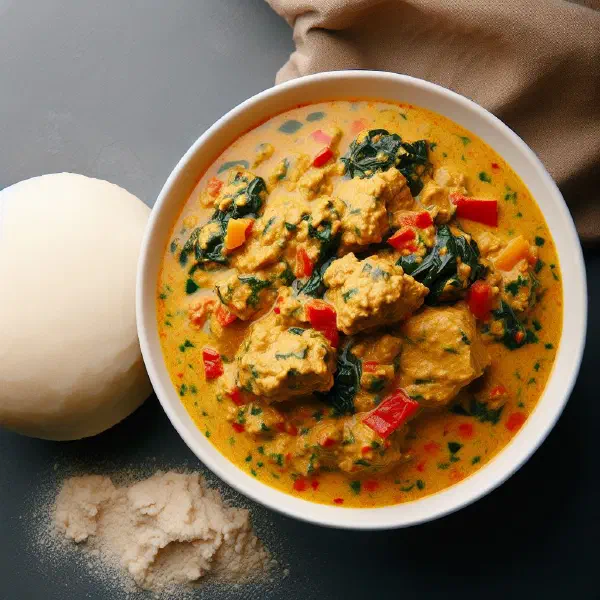
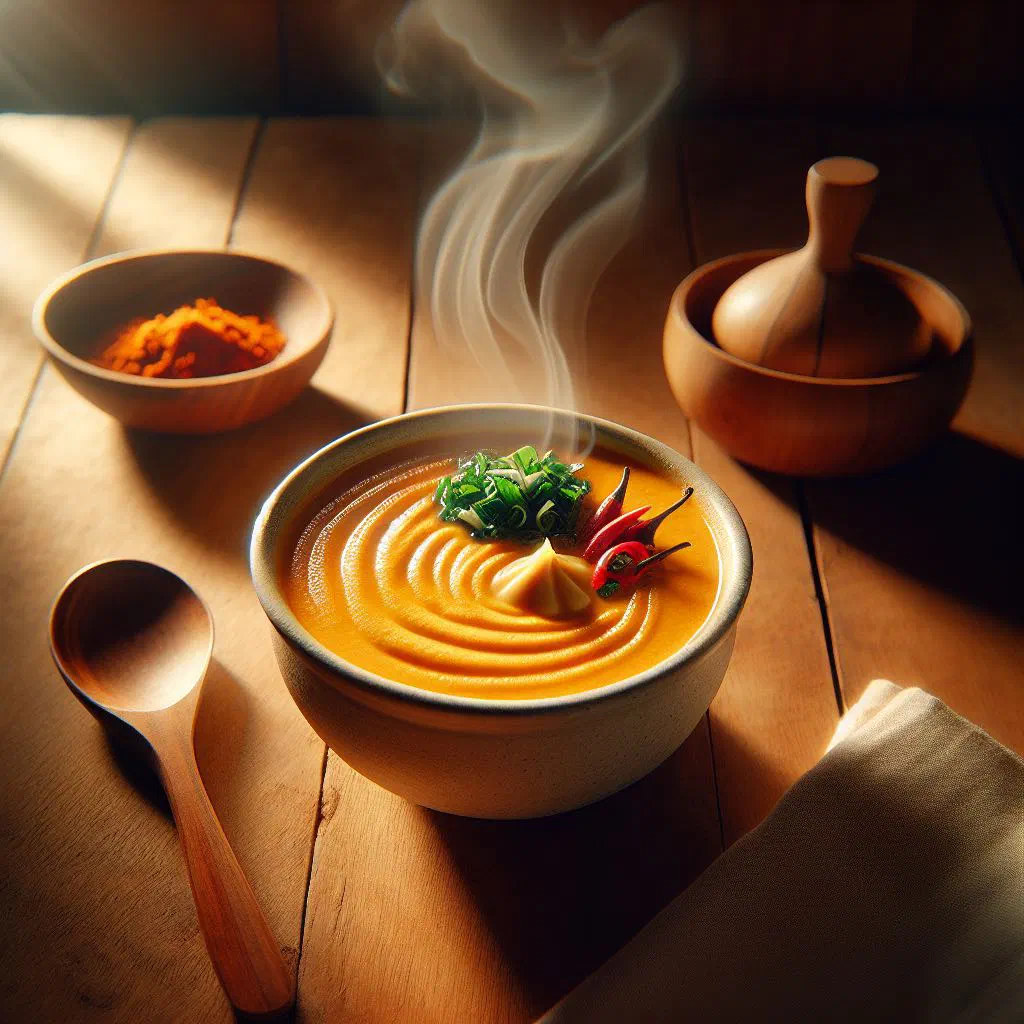
Discover Palm Butter Soup, the hearty national dish of Liberia. Deep orange, velvety and generously spiced, it draws its character from the fruit of the oil palm, a flavour that has anchored West African cooking for centuries. Tender chicken or fish simmers alongside okra and sweet potatoes in a creamy palm nut sauce, making a bowl that is as warming as it is memorable. This recipe brings that authentic Liberian taste straight to your own kitchen.
About Palm Butter Soup
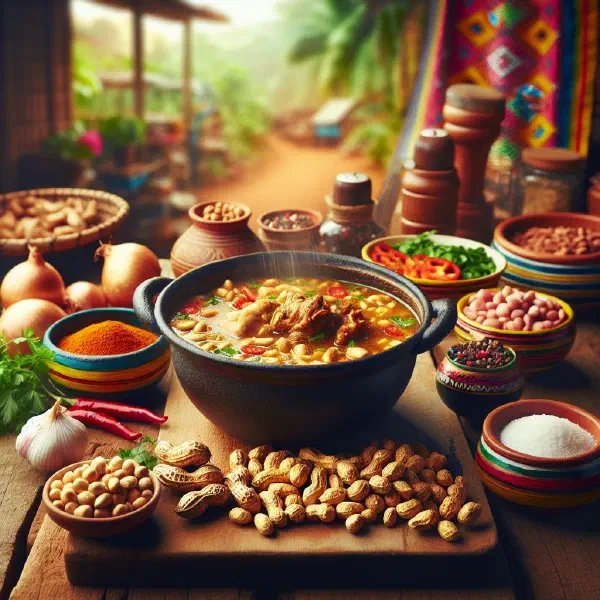
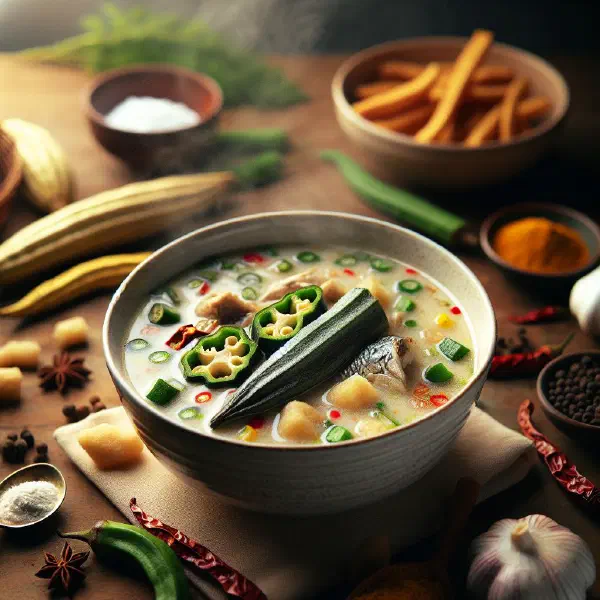
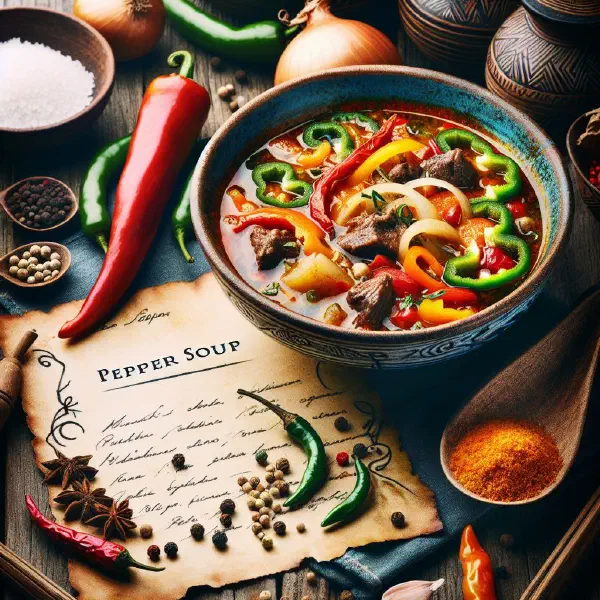
Palm Butter Soup is an exquisite classic of Liberian cooking and a truly hearty, richly satisfying dish. As the national dish, it stands for the country’s everyday culinary craft. Its base is the palm-oil-rich fruit of the oil palm, which lends both an intense aroma and the soup’s characteristic deep orange colour. What makes Palm Butter Soup so special is the contrast between fresh vegetables, meat or fish, and the local palm nut sauce that gives the whole pot its creamy consistency.
Ingredients (serves 1–2)
- 250 ml palm oil (or palm butter)
- 250 g chicken or fish
- 1 onion, diced
- 2 cloves of garlic, chopped
- 1–2 fresh chillies, to taste
- 200 g mixed vegetables (e.g. aubergine, okra, sweet potato)
- 500 ml chicken or fish stock
- Salt and pepper, to taste
- Fresh herbs (e.g. coriander or parsley), to garnish
Shopping for the ingredients
For an authentic Palm Butter Soup it matters that you buy good-quality ingredients. Palm oil or palm butter can be found in African grocery shops or in well-stocked supermarkets with an international food aisle. Fresh vegetables and your meat or fish are best sourced from a market or a trusted butcher or fishmonger wherever possible, the same care that pays off in a Fish Gravy.
Preparing the dish
Get everything ready before you start cooking, wash and cut the vegetables as well as the meat or fish. The meat should be taken off the bone and cut into bite-sized pieces. Remember to have all the aromatics such as onions and garlic prepared and within reach, so the cooking itself runs smoothly from start to finish.
Step-by-step instructions
- Heat the palm oil in a large pot and fry the onions and garlic until fragrant.
- Add the chillies and fry briefly, then add the meat or fish and cook for a few minutes.
- Now add the prepared vegetables to the pot and fry everything together for a further 5 minutes.
- Pour in the chicken or fish stock and let it simmer over a medium heat until the meat is tender and the vegetables are soft.
- Season with salt and pepper and use fresh herbs as a garnish.
Gluten-free / lactose-free version
Palm Butter Soup is naturally gluten-free and lactose-free, since neither wheat flour nor dairy appears anywhere in the pot. Do check your stock, though, as shop-bought stock cubes sometimes contain gluten-based thickeners, a clear, additive-free stock or a home-made one is the safest choice. Served with plain rice rather than bread, the dish suits sensitive guests without a single compromise on flavour.
Tips for vegans and vegetarians
The recipe adapts easily to a vegetarian table: simply leave out the meat or fish, or replace it with firm tofu that has been browned first. For a fully vegan bowl, use a good vegetable stock in place of the chicken or fish stock. Extra okra, aubergine and sweet potato keep the soup just as substantial, and mushrooms add a savoury depth that stands in nicely for the meat.
More tips and tricks
If the soup turns out too thick, add a little more stock to loosen the consistency to your liking. Do not let the dish simmer for too long, so that the bright colour and the nutrients of the vegetables are preserved. Skimming a little of the surface oil before serving makes the bowl lighter without losing the palm aroma that defines it.
Adapting the recipe to your taste
It is easy to tune this recipe to your own preferences. The heat can be dialled up or down simply by adding or omitting the chillies, and the vegetable mix is entirely yours to choose. Some cooks like a smokier note and stir in a little dried smoked fish, much as they would for a Bitterleaf Soup, while others keep things fresh and green.
Ingredient substitutions
If palm oil is not available, you can use coconut milk as an alternative, although the taste will change slightly and the colour will be paler. Where there are intolerances or simply different preferences, the vegetables can be swapped freely, spinach or collard greens work well in place of aubergine, and yam can stand in for the sweet potato.
Drink pairing ideas
Light, refreshing drinks go well with this rich soup. Think lemonade or a spicy Chilled Ginger Beer. A glass of palm wine would be the most authentic pairing of all, echoing the very tree the soup is built on. For something non-alcoholic and cooling, a tart hibiscus infusion also balances the richness beautifully.
Serving and presentation ideas
Serve the Palm Butter Soup in deep plates or bowls and garnish with fresh herbs. A piece of traditional bread or a mound of boiled rice can be added as a side, and many households press the rice into a neat dome in the centre of the bowl so the orange sauce pools around it. A scattering of sliced chilli on top signals the heat to come.
A bit of history
Palm Butter Soup has its roots in West African cooking and reflects the culinary diversity of Liberia. Traditionally the soup was made from the palm nut, an important local staple that has sustained the population for centuries. The dish is a mark of hospitality and a fixed part of the country’s food culture, appearing at family gatherings and celebrations across the whole of Liberian cuisine.
More recipe ideas
Summary: Palm Butter Soup
Palm Butter Soup is a traditional, deeply filling dish from Liberia that wins people over with its distinctive ingredients and its powerful aroma. Creamy, colourful and gently fiery, it turns a handful of humble ingredients into something genuinely special. Fish or entirely plant-based, it makes a generous centrepiece for any table. Give this Liberian classic a try, one bowl explains why it has been treasured for generations.