National Dish Liberia: Snail Stew (Recipe)
In this article
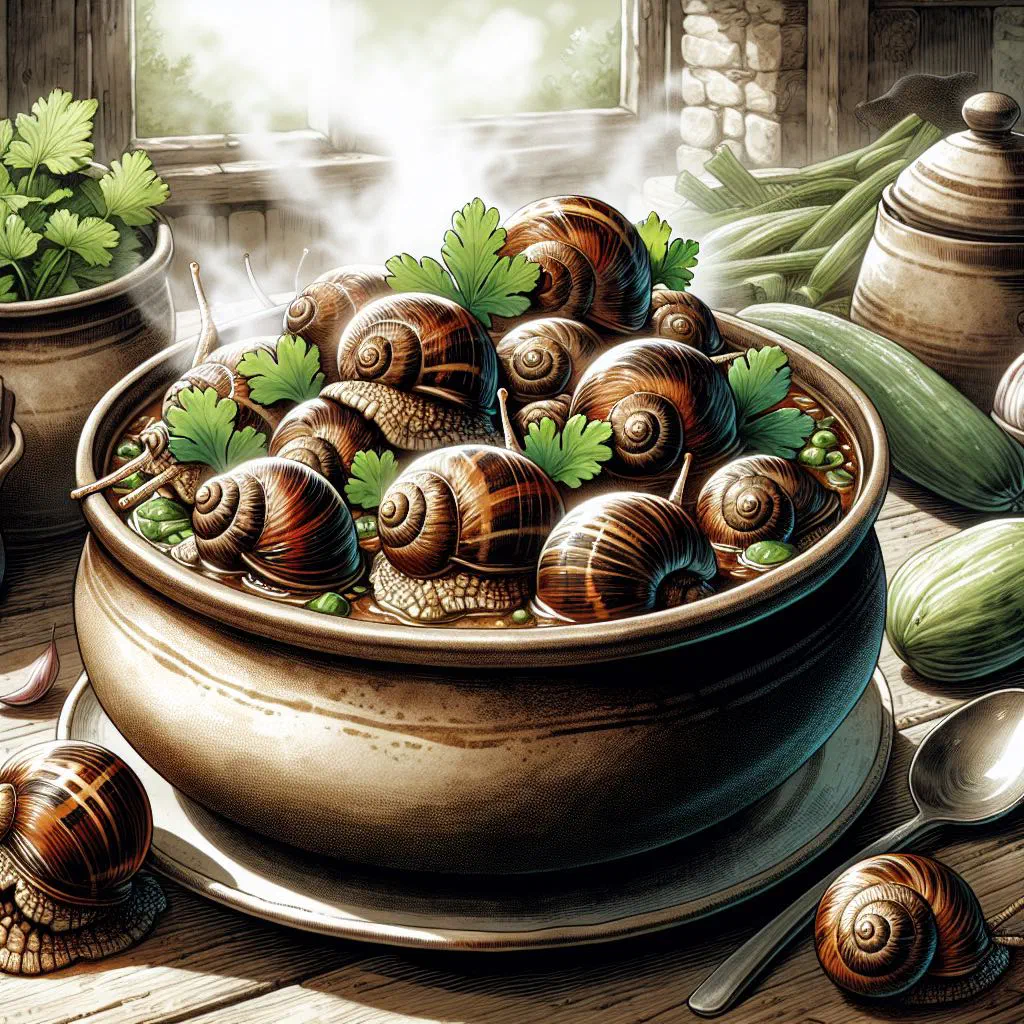
Discover Snail Stew, a Liberian speciality that turns an unusual main ingredient into something genuinely memorable. Tender land snails simmer gently with sweet peppers, ripe tomatoes and warm spices until the broth is deep, savoury and fragrant. It is the kind of unhurried one-pot cooking West Africa does so well, bold, nourishing and endlessly welcoming. Bring a taste of Liberia’s coast and countryside into your own kitchen.
About Snail Stew
Snail Stew is a fascinating dish that reflects the culinary tradition of Liberia. It brings together the flavours and cooking methods of the wider West African region and is considered a real delicacy by many. The stew is usually built from fresh ingredients, offering a distinctive taste and a good deal of nourishment. Anyone who loves African cooking in its purest form will appreciate the variety and the wonderful aromas of this hearty pot, which sits comfortably alongside classics such as Palm Butter Soup.
Ingredients (serves 1–2)
- 250 g fresh land snails
- 1 onion, diced
- 2 cloves of garlic, chopped
- 1 large tomato, diced
- 1 pepper, diced
- 300 ml vegetable stock
- 1 tsp cracked black pepper
- 1 tsp paprika powder
- 1 tsp salt
- Fresh herbs (parsley or thyme, for example)
- A little oil for frying
Shopping for the ingredients
To make a really good snail stew, it pays to source fresh, good-quality ingredients. The star of the dish, the land snails, can be bought from African or Asian grocers, and weekly markets often have local suppliers too. Make sure the snails are fresh and lively, as this is the surest guarantee of quality. The remaining vegetables and spices are straightforward supermarket buys.
Preparing the dish
Preparation is the key to a successful snail stew. First, the snails should be cleaned thoroughly to remove any sand and grit, a patient rinse with a little salt makes all the difference. Then wash and dice the remaining ingredients. Working this way lets the aromas of the spices and the fresh vegetables come through properly and gives you a harmonious, balanced result.
Step-by-step instructions
- Heat the oil in a large pot and fry the onion and garlic until golden.
- Add the diced tomato and pepper and let them simmer for a few minutes.
- Add the cleaned snails to the pot and stir well.
- Pour in the vegetable stock and season with salt, pepper and paprika powder.
- Cover the pot and let the stew simmer over low heat for about 30 minutes.
- Garnish with fresh herbs just before serving and enjoy.
Gluten-free / lactose-free version
Snail stew is naturally gluten-free and lactose-free, as no dairy or wheat-based ingredients are involved. That makes it an excellent choice for anyone cooking around dietary restrictions. Do check the stock when you buy it, as some brands contain gluten, and choose a certified gluten-free version to keep the whole dish safe. Serve it with plain rice or Fufu and the meal stays free of both gluten and lactose from start to finish.
Tips for vegans and vegetarians
For vegans and vegetarians the stew presents an obvious challenge, since snails are the main ingredient. An appealing alternative is to replace them with grilled vegetables or a soy-based meat substitute, both of which offer a similar bite and sit well with the spices. Using a plant-based stock keeps the dish entirely meat-free while adding a fresh note of its own. Mushrooms are another good option if you want that same savoury depth.
More tips and tricks
To refine your snail stew further, add spices such as cumin or chilli for a hotter, more assertive finish. A squeeze of lemon juice lifts the aromas and gives the broth extra depth. Serve the stew with fresh bread or a side dish to turn it into a complete meal, Fried Plantains are a particularly good match. These small touches show just how flexible the recipe is and invite you to experiment.
Adapting the recipe to your taste
The best thing about snail stew is how easily it bends to personal preference. Whether you want to add extra vegetables or reach for different spices is entirely up to you. Play with the texture by puréeing a few of the ingredients if you prefer a creamier pot. Adjusted this way, your stew becomes not just unique but noticeably varied from one cooking to the next.
Ingredient substitutions
If you cannot find land snails, seafood or pulses both make flavourful stand-ins. These ingredients bring their own character to the pot and create a genuinely new eating experience. You can be creative with the seasoning too, trying different regional spices to give the dish a personal signature. Beans work especially well if you enjoy the comfort of Liberian Stewed Beans.
Drink pairing ideas
Plenty of drinks suit a hearty snail stew. A dry white wine complements the flavours beautifully while keeping things fresh. For an alcohol-free option, a chilled ginger beer or a fruity mocktail makes a refreshing choice. Try a few different combinations to see which one intensifies the flavours most to your liking.
Serving and presentation ideas
Presentation can lift the enjoyment of snail stew considerably. Serve it in colourful bowls or on rustic plates to bring out an authentic West African charm. Finish the dish with fresh herbs for decoration and offer sides that are both colourful and tasty. An attractive presentation adds to the whole experience and turns the meal into something of a celebration.
A bit of history
The tradition of snail stew reaches deep into Liberia’s past and is the product of several cultural influences. It reflects the interplay of traditional African cooking methods with those that arrived during the colonial era. In rural areas in particular, stews of this kind count among the staple foods and are frequently served at festive occasions. Through dishes like this one, Liberian cuisine celebrates its regional produce while keeping a piece of history alive.
More recipe ideas
Summary: Snail Stew
Snail stew is a hearty, aromatic dish that shows off the variety of Liberian cooking to wonderful effect. This recipe leaves nothing to be desired. It offers plenty of scope for adaptation to different dietary needs and will always be a highlight on the table. Let it inspire you and enjoy the delicious aromas of Liberia in your own home.