National Dish Libya: Fattoush (Recipe)
In this article
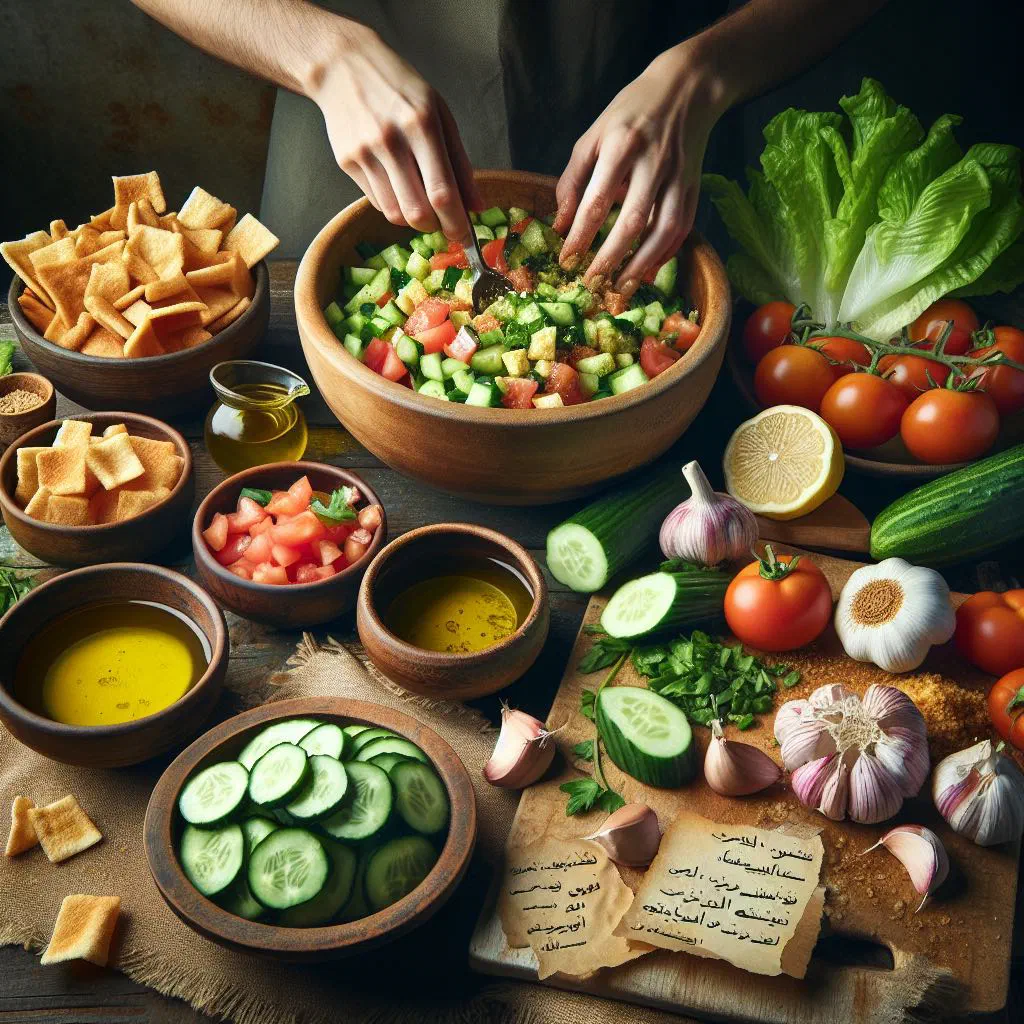
Meet Fattoush, a wonderfully bright and refreshing salad that shows off the best of Libyan home cooking. Crisp tomatoes, cucumbers and radishes are tossed with a handful of fresh herbs and crunchy shards of toasted bread, then lifted by a zingy lemon-and-olive-oil dressing. Colourful, light and endlessly adaptable, it makes a perfect side dish or a satisfying light meal on a warm day.
About Fattoush
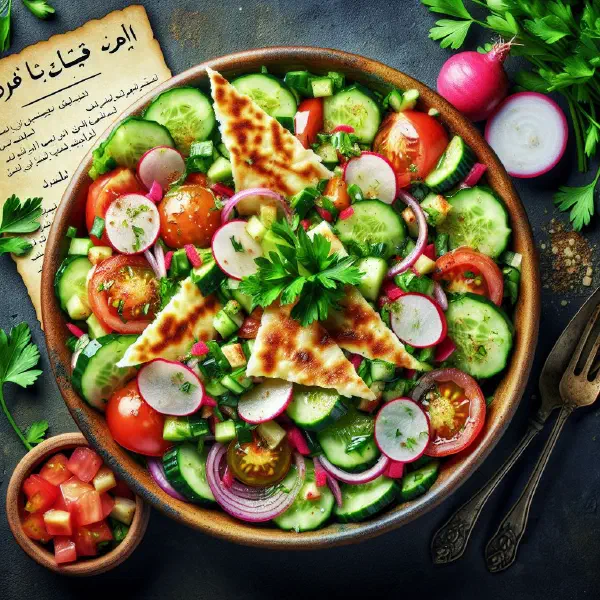
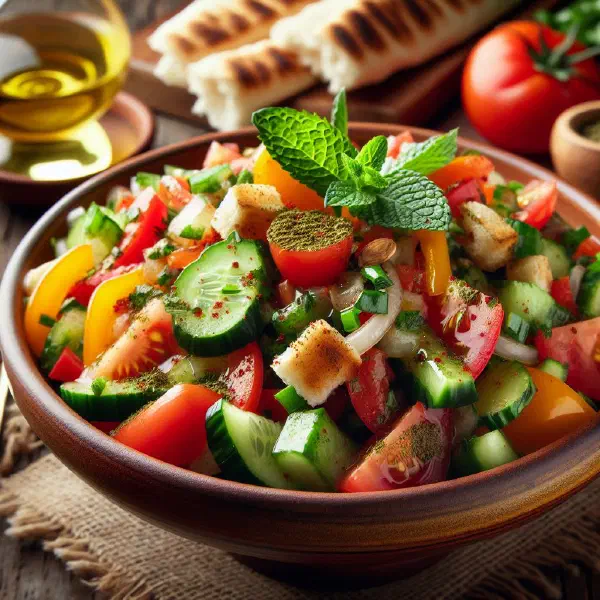
Fattoush is a traditional Libyan salad that wins people over with its colourful, fresh ingredients. The dish brings together crunchy vegetables such as tomatoes, cucumbers and radishes, which provide a lovely variety of colour and a distinctive flavour. The combination of fresh herbs and crisp pieces of bread lifts fattoush to another level. Many Libyans enjoy it as a side dish alongside their main courses, and in some regions it is even served as a light main meal in its own right.
Ingredients (serves 1–2)
- 1 cup diced tomatoes
- 1 cup diced cucumber
- 1/2 cup sliced radishes
- 1/2 cup fresh parsley, finely chopped
- 1/4 cup mint, finely chopped
- 1 cup pita bread, torn into pieces
- 2 tablespoons olive oil
- 2 tablespoons lemon juice
- Salt and pepper to taste
Shopping for the ingredients
When shopping for fattoush, it is worth choosing the freshest vegetables and herbs you can find. Look for tomatoes that are firm and ripe, and cucumbers with smooth, unblemished skin. The radishes should be crisp and vividly coloured to add both visual appeal and flavour to the salad. Wherever possible, reach for a good-quality olive oil and fresh lemon juice for the dressing, as these make a real difference to the taste of the finished dish.
Preparing the dish
Preparing fattoush is quick and refreshingly simple. Begin by washing the vegetables thoroughly and cutting them into your preferred sizes. The fresh herbs should be finely chopped too, so their intense flavour is spread evenly through the salad. Don’t forget to tear or cut the pita bread into small pieces, ready to be toasted until wonderfully crisp.
Step-by-step instructions
- Prepare the vegetables and herbs: wash all the fresh ingredients thoroughly and cut them into small pieces.
- Toast the bread: dry-fry the pita pieces in a pan without oil until they turn crisp and golden.
- Make the dressing: whisk together the olive oil, lemon juice, salt and pepper in a small bowl.
- Combine everything: toss the vegetables, herbs and bread together in a large bowl.
- Add the dressing: pour it over the salad and gently toss so every ingredient is lightly coated.
Gluten-free / lactose-free version
For a gluten-free version of fattoush, simply swap the pita pieces for gluten-free bread or crackers. These alternatives keep the dish enjoyable for anyone with a gluten intolerance. For a lactose-free preparation there is nothing to change, as this recipe contains no dairy at all. Vegans, too, can enjoy fattoush without a second thought, since it relies on neither meat nor milk products.
Tips for vegans and vegetarians
Fattoush is an ideal dish for vegans and vegetarians, as it is made entirely from plant-based ingredients. To make the salad even more nourishing, you can add extra vegetables such as peppers or avocado. These enrich the flavour and bring different textures that make each mouthful more interesting. You might also experiment with different dressings to give fattoush a personal touch without altering its core ingredients.
More tips and tricks
A few extra tips and tricks will help you get the very best from your fattoush. Use the freshest ingredients you can to achieve the finest flavour. It is also worth assembling the salad shortly before serving, so the vegetables stay crisp and don’t turn soggy under the dressing. To deepen the aroma, you can make the dressing a few hours ahead and let it rest in the fridge, giving the flavours time to develop fully.
Adapting the recipe to your taste
Adapting fattoush to your own preferences is especially easy, since the ingredients are so flexible. If you like bolder, hotter flavours, add a little chopped chilli. For a sweeter note, stir a touch of honey or agave syrup into the dressing. Experiment with different herbs, or replace the pita with another crunchy alternative, to make the salad exactly to your liking, much as you might vary a fresh Tabbouleh.
Ingredient substitutions
If you are looking for substitutions, there are plenty of options. In place of fresh parsley, coriander or basil work beautifully and lend the salad a different aromatic note. For anyone with coeliac disease, gluten-free pita or homemade bread made from gluten-free flours does the job.
Drink pairing ideas
To round off your fattoush experience, the right drink makes all the difference. A refreshing mint tea pairs wonderfully with this salad and complements its flavours perfectly. Alternatively, a light, sparkling mineral water brings out the salad’s freshness. For an alcohol-free option, a lemon-and-mint drink is another excellent choice that supports the bright, zesty character of the dish.
Serving and presentation ideas
An appealing presentation can make fattoush even more enjoyable. Serve the salad in a large, rustic bowl to emphasise its fresh, generous character. Alternatively, arrange small portions in glasses for an eye-catching visual effect. A scattering of edible flowers or extra fresh herbs as a garnish makes the dish particularly inviting and shows off its beautiful colours. It sits happily alongside a warm bowl of Shorba or a plate of Dolma.
A bit of history
Fattoush has a long history and is a fine example of Libyan food culture. The salad originally comes from the Middle East and found its way into the Libyan kitchen, where it has become hugely popular. The use of bread in salads grew from the practical need to use up leftovers, which makes fattoush both a tasty and a thrifty dish. The variety of its ingredients reflects the rich agriculture and culture of Libya, and it is seen as a symbol of local tradition, a cornerstone of Libyan cuisine.
More recipe ideas
Summary: Fattoush
In short, fattoush is a bright and nourishing salad that not only tastes delicious but is genuinely good for you. The combination of fresh vegetables, aromatic herbs and crunchy pieces of bread makes it a wonderful choice for any meal. It is a dish that welcomes adaptation, so there is a version to suit everyone. Give fattoush a try and let the variety of Libyan cooking work its magic.