National Dish Libya: Hareesa Soup (Recipe)
In this article
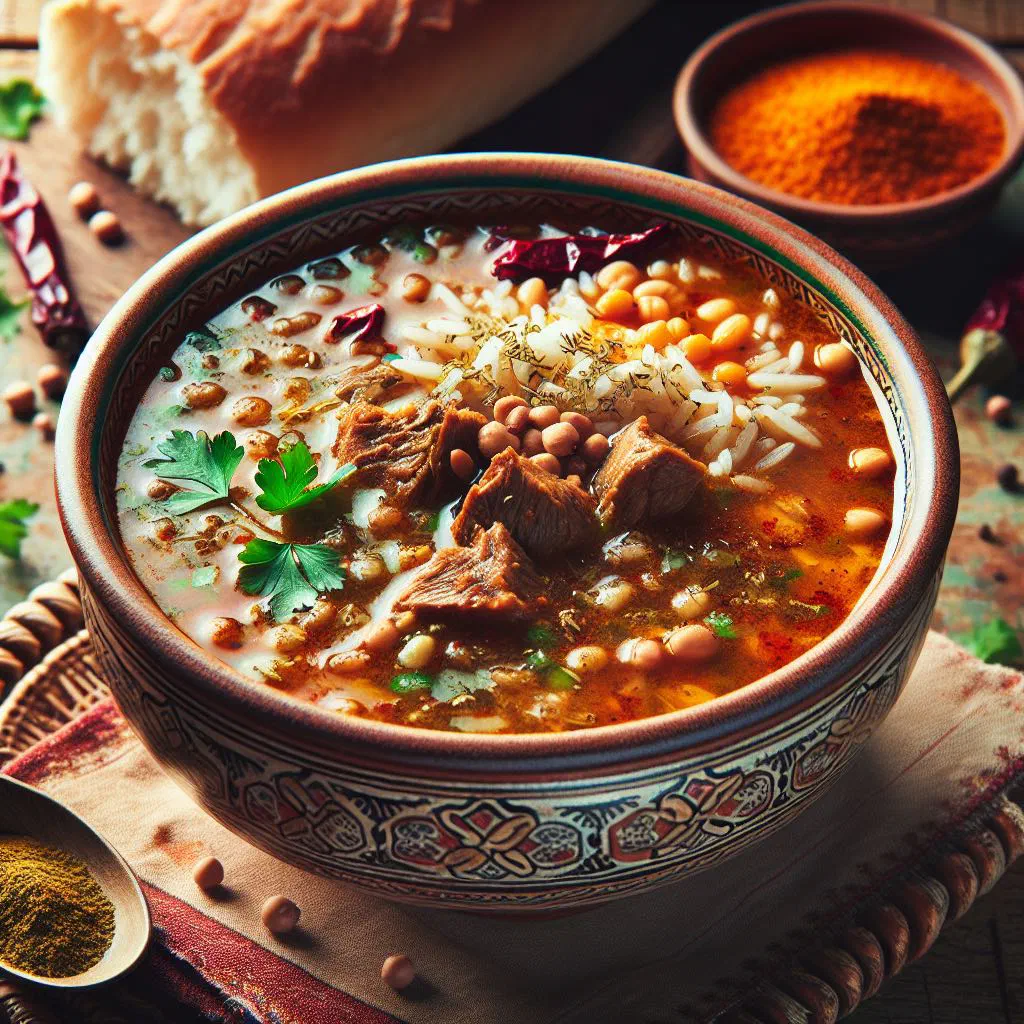
Discover Hareesa Soup, a warming Libyan classic that captures the soul of traditional North African cooking. This hearty bowl brings together fine grain, tender meat and a fragrant blend of spices for a dish that is both nourishing and full of character. Reserved in many homes for celebrations and special gatherings, it rewards a little patience with deep, comforting flavour. Bring the aromas of a Libyan feast straight to your own kitchen.
About Hareesa Soup
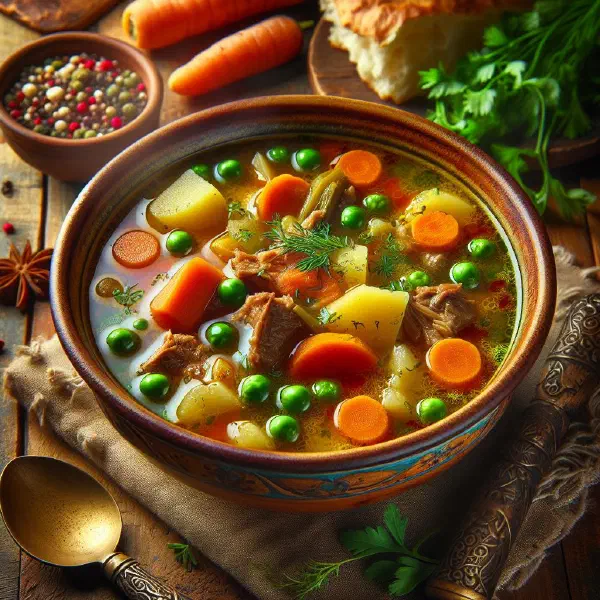
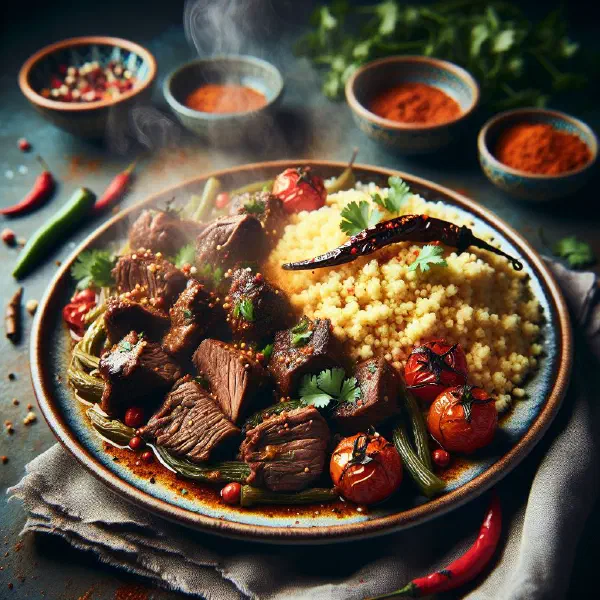
Hareesa is a traditional Libyan dish prized above all for its savoury depth and its warming, spoonable texture. Often served at festivities and special occasions, this national favourite reflects the rich culture of the country. At its heart lies fine grain, usually wheat semolina or flour, combined with tender meat and a generous mix of aromatic spices. The preparation takes time and care, but the reward is a dish that is at once filling and delicious, much like a good Shorba on a cold evening.
Ingredients (serves 1–2)
- 200 g fine wheat semolina
- 300 g tender lamb or chicken
- 1.5 litres water or stock
- 1 onion, diced
- 2 cloves garlic, chopped
- 1 tsp cumin
- 1 tsp cinnamon
- Salt and pepper, to taste
- Olive oil, for frying
- Fresh herbs, to garnish
Shopping for the ingredients
Shopping for hareesa is relatively straightforward, as many of the ingredients you need can be found in local supermarkets or Middle Eastern grocers. Take care to choose good-quality meat, as it is decisive for the flavour of the dish. The fine wheat semolina is usually stocked in the pasta and grains aisle. Spices such as cumin and cinnamon are equally essential for the aromatic note and can easily be bought in jars or loose.
Preparing the dish
Before you begin cooking hareesa, it helps to have everything ready to hand. Cut the meat into small pieces and chop the onion and garlic. This makes the cooking process easier and ensures even cooking times and flavours. Measure out the spices and keep them within reach so you can add them quickly as you go. A well-organised preparation leads to a smoother cook and a tastier result.
Step-by-step instructions
- Heat the olive oil in a large pot and fry the onion and garlic until golden brown.
- Add the meat and brown it well on all sides.
- Pour in the water or stock and add the spices (cumin, cinnamon, salt and pepper).
- Bring to the boil, then reduce the heat, cover and simmer for about 1 hour.
- Add the fine wheat semolina and stir well. Cook for a further 30 minutes, until the grain is soft and the soup has reached a creamy consistency.
- Garnish with fresh herbs to taste and serve.
Gluten-free / lactose-free version
For a gluten-free version of hareesa, you can use a gluten-free semolina or an alternative flour such as rice flour in place of wheat semolina. Take care to use a lactose-free stock or plant-based milk as well, to keep the soup creamy. The spices and meat can be used just as usual to achieve the full flavour. Where needed, look out for the special gluten-free products available in your supermarket.
Tips for vegans and vegetarians
For a vegan or vegetarian version of hareesa, you can replace the meat with cubes of tofu or a vegetable stock. Tasty vegetables such as carrots, courgettes or aubergines can be added to enrich the flavour. For extra protein, pulses such as chickpeas or lentils work beautifully, the same hearty legumes that shine in a Chickpea Stew. With the right choice of spices, the dish keeps its characteristic taste.
More tips and tricks
An important tip when making hareesa is to stir the soup regularly as it cooks to prevent it catching on the bottom. Make sure to add enough liquid so the soup stays pleasantly creamy. A longer cooking time can also help the flavours intensify and the meat turn especially tender. Experiment with different spices to hit your own personal taste.
Adapting the recipe to your taste
The recipe for hareesa is extremely adaptable and easy to tailor to individual preferences. Experiment with different meats, such as beef or poultry, to reach different flavours. In place of wheat semolina, quinoa or polenta can make an interesting alternative and give the dish a fresh interpretation. Adjust the quantity of spices to your taste to make the dish milder or more intense.
Ingredient substitutions
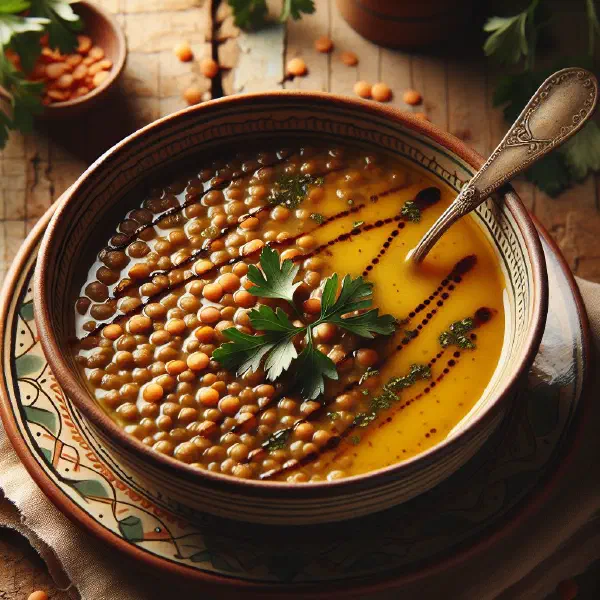
If you do not have every ingredient to hand, there are several alternatives you can use. The lamb can be swapped for chicken or beef, depending on preference. If you have no cumin, paprika is a good alternative spice for a subtle warmth. Beyond that, the stock can be replaced with water, though a stock lends more flavour, the kind of savoury base that carries a Libyan Lentil Soup.
Drink pairing ideas
Light, refreshing drinks pair best with hareesa and complement the flavours of the dish. A classic mint tea is an excellent choice with its refreshing effect. A well-chilled, light white wine can also underline the taste of the soup beautifully. For those who prefer something alcohol-free, a lemon or pomegranate juice adds a fruity note.
Serving and presentation ideas
Presentation plays an important part in making hareesa look as appetising as it tastes. Serve the dish in deep, attractive bowls and garnish with fresh herbs and a drizzle of olive oil. Offer crisp flatbread or toasted bread on the side to make the meal even more inviting. A dusting of paprika over the soup can add an appealing splash of colour.
A bit of history
Hareesa has deep-rooted traditions in Libyan culture and is often associated with meaning and celebration. The soup is thought to have been prepared for centuries, originally cooked for special occasions or weddings. Over time the dish has evolved and now reflects the diversity and richness of North African Libyan cuisine. Many families have developed their own regional variations, lending the recipe an extra personal touch.
More recipe ideas
Summary: Hareesa Soup
To sum up, hareesa is a traditional Libyan dish that unites flavour, texture and cultural heritage. The preparation is both simple and adaptable, making the recipe accessible to everyone. With its wealth of spices and ingredients, it is a real feast that is cherished in any company. Let this delicious soup inspire you and enjoy the flavours of North Africa in your own home.