National Dish Libya: Makroud (Recipe)
In this article
Say hello to Makroud, one of Libya’s most beloved sweet treats. These little semolina parcels are filled with soft dates and warming cinnamon, then fried until golden and dipped in honey for a glossy finish. Served at celebrations, offered to guests or simply enjoyed alongside a glass of mint tea, they carry the warmth of Libyan hospitality in every bite. Bring these authentic North African flavours straight to your own kitchen.
About Makroud
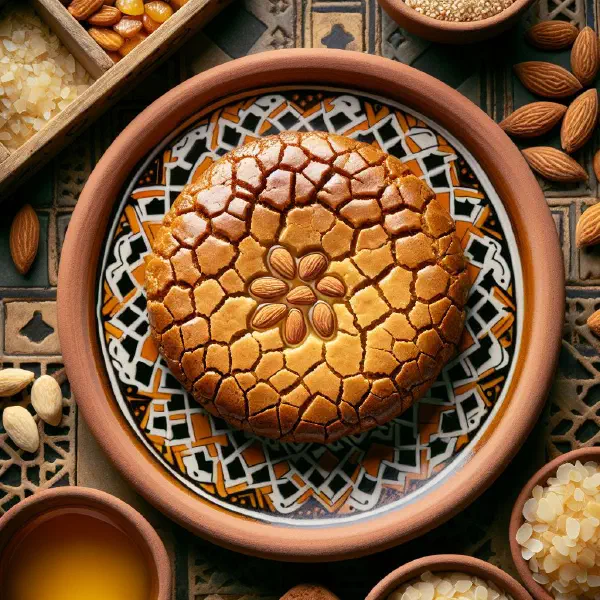
Makroud is a traditional Libyan treat made from sweet dough and a handful of delicious fillings. These small, stuffed pastries are hugely popular across Libya and are a firm favourite of Libyan cuisine and a symbol of hospitality. The main ingredients are usually dates or nuts, combined with a pinch of cinnamon, which turns Makroud into a genuinely flavour-packed experience. As a snack or with coffee, Makroud always fits the occasion and leaves a lasting impression.
Ingredients (serves 1–2)
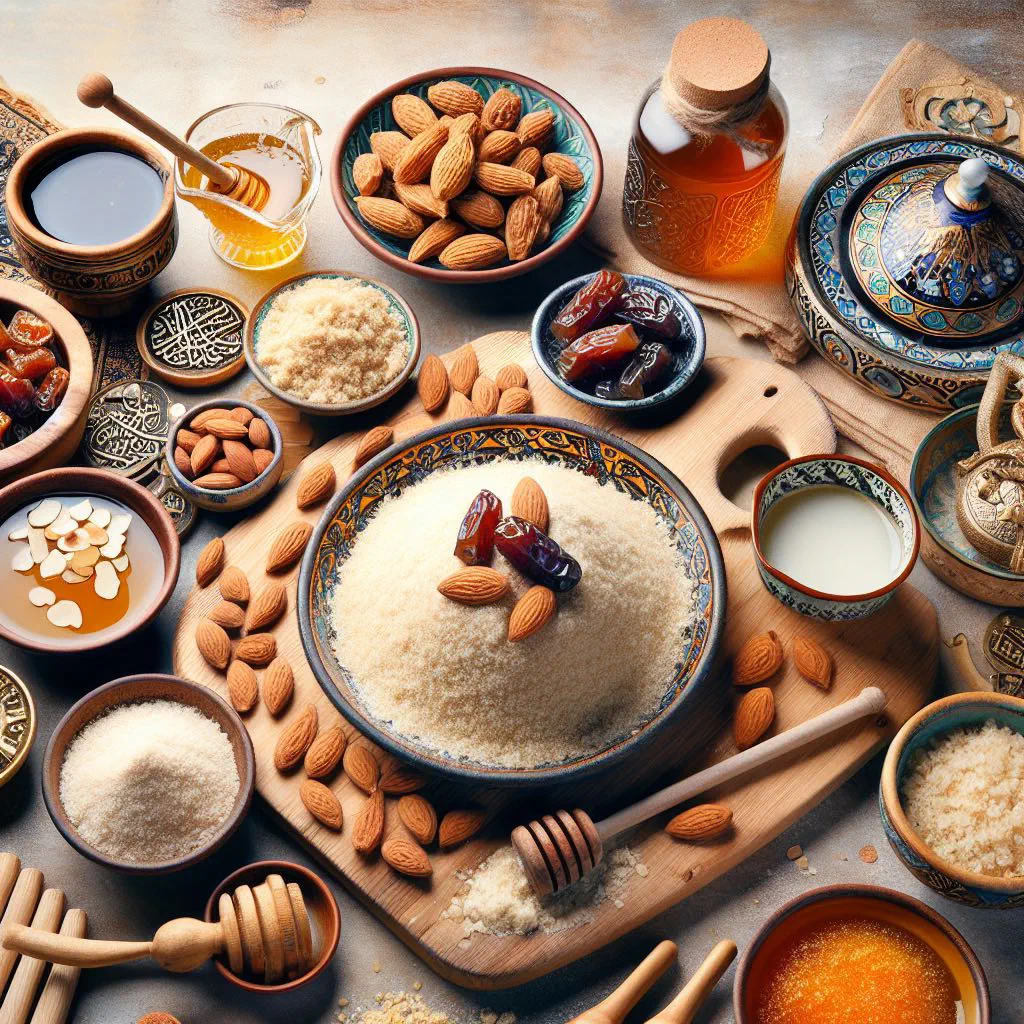
- 250 g durum wheat semolina
- 100 g dates (stoned and chopped)
- 50 g ground nuts (such as almonds or walnuts)
- 60 ml water
- 1 teaspoon cinnamon
- 2 tablespoons olive oil
- Honey, for drizzling
Shopping for the ingredients
For the best Makroud you will want fresh, good-quality ingredients. Pay a visit to an international supermarket or a Turkish grocery to track down the finest dates and nuts. Make sure the nuts are unsalted so they do not throw off the flavour of the filling. Fresh durum wheat semolina is crucial to the texture of the dough and gives Makroud its unmistakable bite.
Preparing the dish
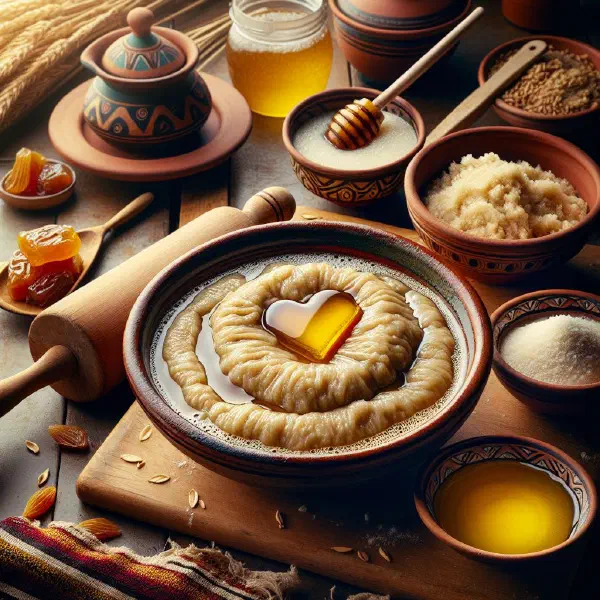
Good preparation is the key to first-rate Makroud. Start by tipping the durum wheat semolina into a bowl and slowly adding the water and olive oil. Knead the dough thoroughly until it is soft and supple. Then let it rest for at least 30 minutes so it can absorb the moisture and become easier to work with.
Step-by-step instructions
- Divide the rested dough into small pieces and flatten each one out.
- Place the filling of dates, nuts and cinnamon in the centre of each flattened piece.
- Bring the edges of the dough up and over the filling and press firmly so nothing escapes.
- Fry the filled parcels in hot oil until golden brown.
- Once fried, dip the Makroud briefly in honey for a sweet, glossy glaze.
Gluten-free / lactose-free version
For a gluten-free version of Makroud, use gluten-free flour or a mix of almond flour and coconut flour. These alternatives can affect the structure of the dough, so it is worth experimenting with the amount of liquid you add. To keep things lactose-free, reach for either lactose-free butter or a plant-based oil. These tweaks make sure that anyone with special dietary needs can still enjoy the delicious flavours of Makroud.
Tips for vegans and vegetarians
Makroud is easy to make vegan by avoiding animal products and using plant oil and sweet ingredients instead. In place of honey you can use a vegan syrup or date syrup to achieve the sweetness. Take care to build the filling entirely from plant-based ingredients. These adaptations make Makroud accessible to a wide range of diets without losing its traditional flavour.
More tips and tricks
Experiment with different fillings to invent your own combinations. You could add chocolate or coconut, for example, to create a more modern version. Another handy trick is adding a pinch of salt to the dough to bring out the sweetness of the filling. Store any leftover Makroud in an airtight container so they stay fresh.
Adapting the recipe to your taste
The Makroud recipe is easy to tailor to personal preference. If you like things less sweet, reduce the amount of dates or use unsweetened nuts. For a more intense flavour, add orange zest or vanilla extract to the filling. Either way you can vary the base ingredients to your own liking and get creative, much as you might with a batch of golden Zalabia.
Ingredient substitutions
If dates are hard to find, you can also experiment with figs or raisins. These offer a natural sweetness of their own that pairs well with the nuts. For a nut-free version, bulk out the filling with oats and dried fruit to create a different contrast in texture. These alternatives mean there is always a way to enjoy Makroud, whatever happens to be available.
Drink pairing ideas
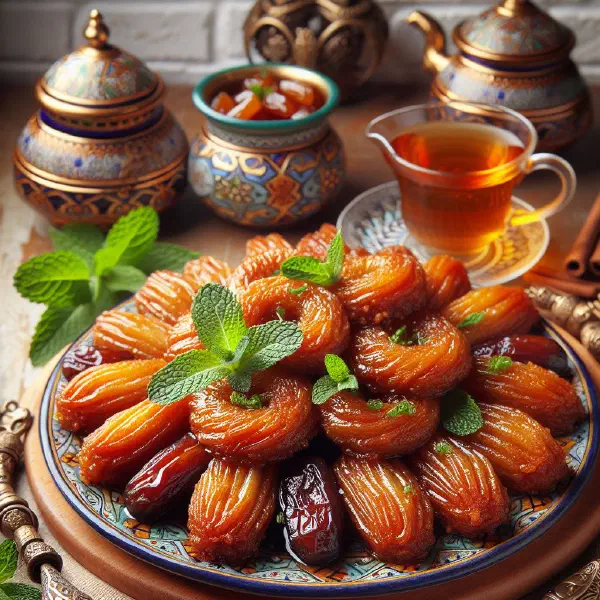
A range of drinks pairs beautifully with Makroud and rounds out its sweet notes. Arabic tea with mint is a wonderful match, as its freshness balances the sweetness of the pastries. Alternatively, you could serve black coffee or an almond drink, both of which harmonise nicely. A refreshing citrus lemonade is another good choice for a lovely contrast, especially after something hearty like a Libyan Lentil Soup.
Serving and presentation ideas
Presentation can add an artful touch to Makroud. Serve the pastries on a decorative plate and dust them with a little icing sugar or chopped nuts. You can also arrange them alongside fresh fruit such as figs or pomegranate seeds to add colour and freshness. With an elegant teapot and pretty cups, you can round off the Libyan ambience to perfection.
A bit of history
The roots of Makroud reach back to antiquity, when these sweet delicacies were served across various North African cultures. The recipe is handed down from generation to generation and is a mirror of Libyan traditions and craftsmanship. Makroud are an important element of Libyan hospitality, often served on special occasions. This historical connection gives the dish even greater meaning and makes it a truly cultural food within the wider world of Libyan cuisine.
More recipe ideas
Summary: Makroud
Makroud is a delicious and traditional Libyan treat that appeals to with its sweet fillings and its distinctive texture. Its simple preparation and versatility make it ideal for all kinds of occasions. A dessert or at celebrations, Makroud brings a touch of Libya to your kitchen and pleases every palate. Give this recipe a try and savour the rich culinary culture of Libya.