National Dish Libya: Masfouf (Recipe)
In this article
Discover Masfouf, a fragrant Libyan classic that brings together the comfort of steamed wheat semolina with the natural sweetness of dried fruit and toasted nuts. Warmly spiced with cinnamon and a whisper of vanilla, it strikes a lovely balance between hearty and sweet. Often reserved for special occasions, this dish carries generations of tradition to the table and offers a delicious window into the flavours of North Africa.
About Masfouf
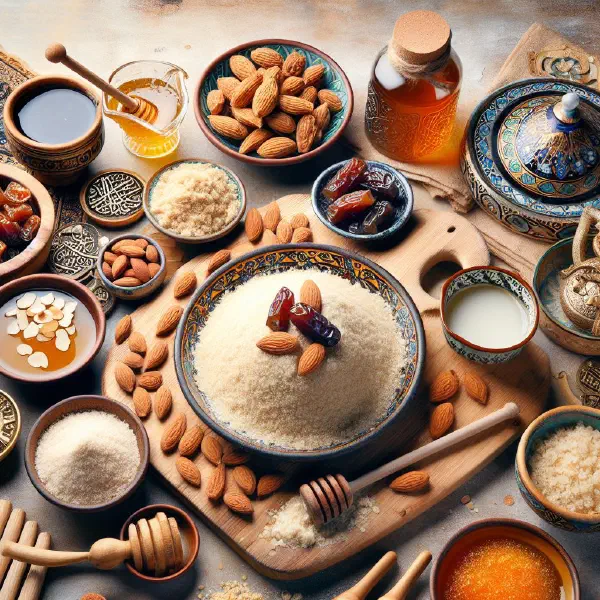
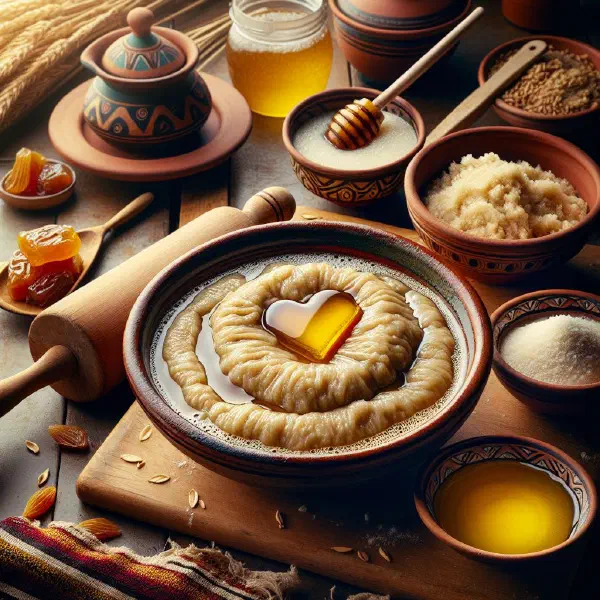
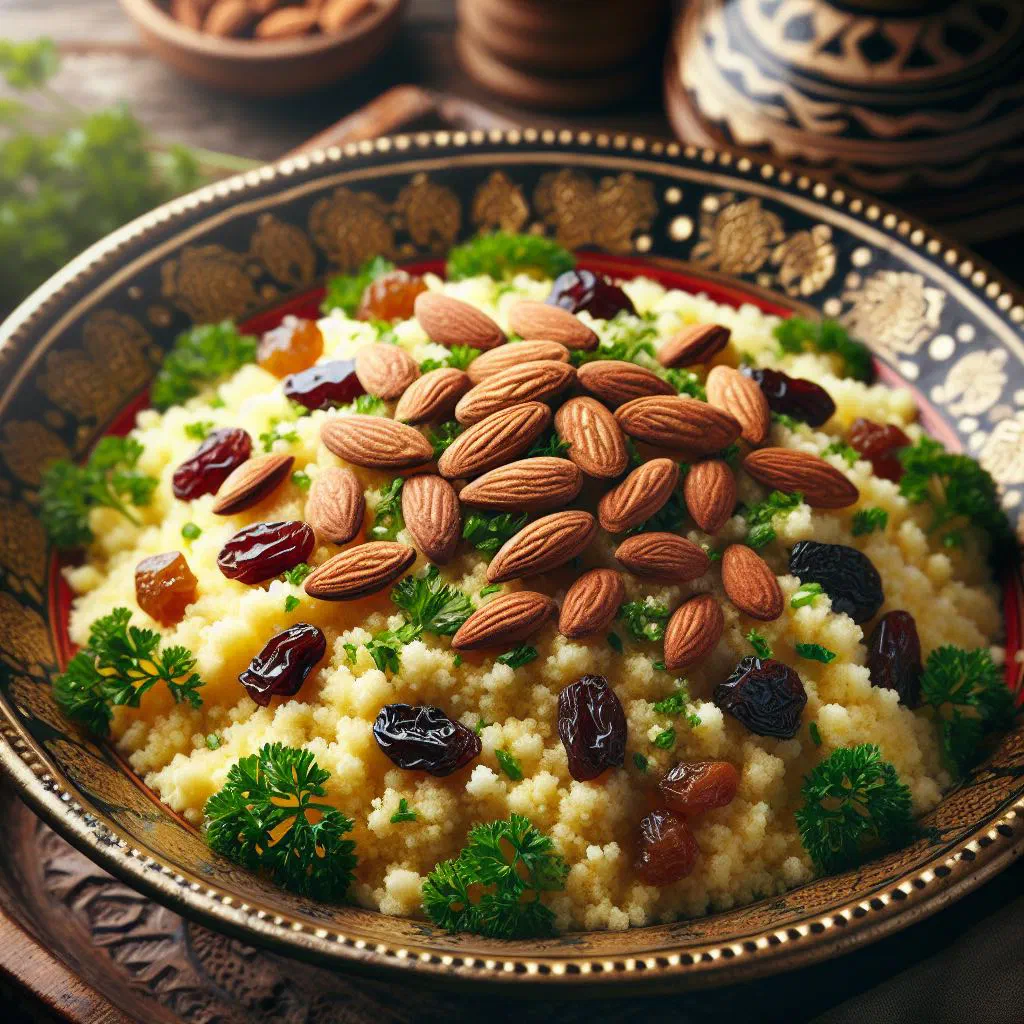
Masfouf is a traditional Libyan dish celebrated for its wonderful flavour and for its cultural significance. At its heart is steamed wheat semolina, prepared with a mixture of raisins, nuts and an aromatic blend of spices. This combination results in a dish that is at once hearty and sweet, pleasing locals and visitors alike. Masfouf is frequently served at festive gatherings and remains an integral part of the Libyan kitchen.
Ingredients (serves 1–2)
- 200 g wheat semolina
- 50 g raisins
- 50 g mixed nuts (such as almonds and walnuts)
- 2 tablespoons sugar
- 1 teaspoon cinnamon
- 1 teaspoon vanilla extract
- 200 ml water
- 2 tablespoons olive oil or butter
Shopping for the ingredients
To prepare masfouf at its best, it is worth seeking out the freshest ingredients you can find. Most of these are readily available in local supermarkets or in Middle Eastern grocery shops. Choose good-quality wheat semolina and fresh nuts to achieve the finest flavour. The raisins, too, should be of good quality so that the natural sweetness of the dish shines through.
Preparing the dish
Before you begin cooking, it helps to gather all your ingredients and utensils in one place. This makes the whole process smoother and spares you a frantic search midway through. Measure out the quantities carefully to strike the perfect balance of aromas. The sugar and the spices in particular play a decisive role in the overall flavour of masfouf.
Step-by-step instructions
- Place the wheat semolina in a bowl, pour over boiling water and leave to swell for 15 minutes.
- Heat a little olive oil or butter in a pan and lightly toast the nuts.
- Add the soaked raisins, sugar and cinnamon to the nuts and mix everything together well.
- Fold the swollen semolina through the nut-and-raisin mixture and steam for a few more minutes.
- Season with vanilla extract and serve hot.
Gluten-free / lactose-free version
For anyone with a gluten intolerance, masfouf can easily be adapted by using gluten-free semolina or an alternative grain such as quinoa. For a lactose-free version, simply reach for plant-based oils or margarine in place of butter. The delicious flavour is preserved, and the dish stays enjoyable for everyone. Small adjustments like these open up the aromas of Libya to a much wider audience.
Tips for vegans and vegetarians
Masfouf is naturally a vegan dish, as long as no animal products such as butter are used. Plant-based oils work beautifully as a substitute, keeping the dish both tasty and kind to animals. Take care that any nuts and dried fruit you use are unsweetened and free from animal-derived ingredients. For a creative twist, try adding extra fruit such as dates or apple to discover new flavour directions.
More tips and tricks
To get the very best from your masfouf, try lightly salting the nuts before toasting them to create an intriguing contrast with the sweetness. A pinch of cardamom or nutmeg can lend the dish an extra layer of aroma, much like the warm spicing you find in Makroud. Experiment with different dried fruits to vary the taste, a lovely touch when you are entertaining guests and want to show a little flair at the stove.
Adapting the recipe to your taste
Masfouf is remarkably adaptable and lends itself readily to personal preference. You can vary the amount of sugar depending on how sweet you like it, or add extra spices to create different flavour profiles. For a bit of warmth, consider a touch of chilli or black pepper, which gives the dish an exciting edge. The consistency, too, can be adjusted by adding a little more or less water to suit your own taste.
Ingredient substitutions
If some of the ingredients listed here are not to hand, there are plenty of substitutes to fall back on. In place of wheat semolina, for example, you could use cornmeal or a gluten-free blend. There are many alternatives for the nuts as well: cashews or pistachios work just as nicely and bring a different character to the dish. For the raisins, dried apricots or figs make a fine swap and add new accents.
Drink pairing ideas
A variety of drinks pair well with masfouf and complement its flavours beautifully. A robust mint tea is an excellent choice, as it balances the sweetness of the raisins perfectly. Freshly pressed fruit juices or a citrus-infused water can be equally refreshing. For special occasions, a light white wine or an airy rosé can also suit this national dish of Libya wonderfully, rounding out a harmonious dining experience.
Serving and presentation ideas
The presentation of masfouf can be made all the more appealing with colourful bowls and fresh herbs. Serve the dish in a large, handsome bowl and decorate the surface with a scattering of nuts and raisins. An extra drizzle of honey or a little yoghurt on the side is visually inviting and brings out the aromas. Be sure to serve the dish warm so the flavours are shown to their full advantage and create a welcoming atmosphere.
A bit of history
Masfouf has a long tradition in Libyan cooking and is a dish often prepared for festivals and celebrations. It reflects the rich culture and culinary diversity of Libya, a heritage it shares with staples like Libyan Couscous. Originating in the Mediterranean region, the recipe has evolved and adapted over time through a range of influences. The use of spices and dried fruit says much about the trading history of the region, along which these very ingredients once travelled, a story echoed throughout Libyan cuisine.
More recipe ideas
Summary: Masfouf
In summary, Masfouf is a delicious and versatile dish that perfectly embodies the flavours and traditions of Libya. With its distinctive ingredients and straightforward preparation, it is a superb choice for anyone keen to explore the Libyan kitchen. Masfouf offers a memorable taste experience. Let it inspire you and dive into the world of Libyan flavours.