National Dish Libya: Rose Water Cake (Recipe)
In this article
Discover Rose Water Cake, a fragrant Libyan dessert that captures the gentle perfume of the Orient in every bite. This tender, moist bake brings together delicate rose water, ground almonds and warm spices for a treat that feels both festive and comforting. Whether it graces a special occasion or simply sweetens an everyday coffee break, this cake carries a wonderful sense of North African hospitality straight to your table.
About Rose Water Cake
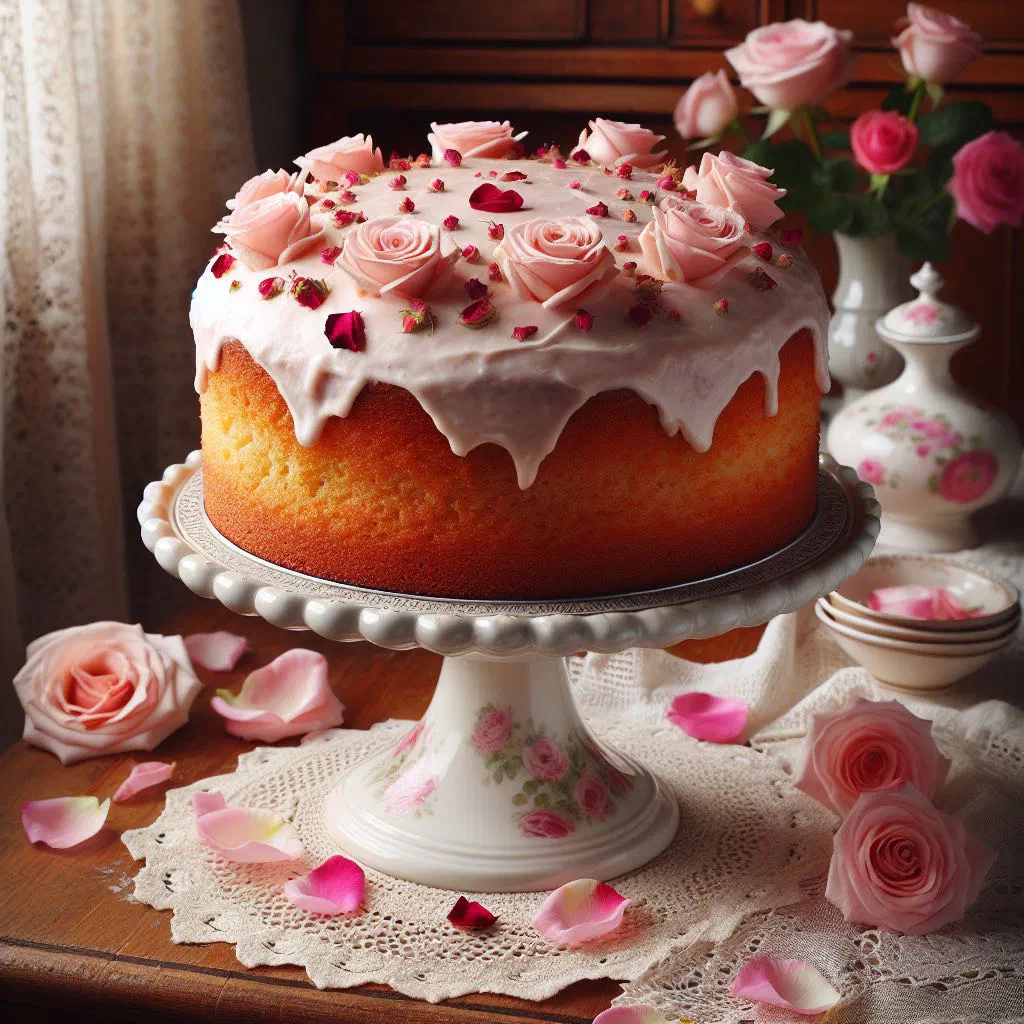
Rose Water Cake is very good that sets the hearts of dessert lovers racing. This traditional Libyan sweet unites the delicate aromas of rose water, almonds and a handful of gentle spices in a beautifully moist batter. The combination gives the cake its unique flavour and an inviting fragrance reminiscent of the scents of the Orient. It brings a touch of North African hospitality to any coffee table. It sits comfortably among the sweeter treasures of Libyan cuisine.
Ingredients (serves 1–2)
- 100 g ground almonds
- 80 g sugar
- 2 eggs
- 60 ml rose water
- 80 g flour
- 1 tsp baking powder
- A pinch of salt
- Icing sugar, for dusting
Shopping for the ingredients
When preparing Rose Water Cake, it is important to choose high-quality ingredients. Visit an Asian or Middle Eastern grocery to track down the rose water, the star ingredient that gives the cake its unmistakable aroma. Look for fresh almonds to guarantee the best flavour and texture, and make sure your flour is fresh too, so the batter reaches an ideal consistency. A little care at the shopping stage pays off in the finished bake.
Preparing the dish
Before you make the Rose Water Cake, grease a ceramic or silicone baking tin and preheat the oven to 180°C. The preparation takes very little time, which is part of what makes this recipe so approachable. Make sure all your ingredients are at room temperature before you begin. This helps you achieve an even batter and ensures the cake rises beautifully.
Step-by-step instructions
- In a bowl, whisk the eggs and sugar together until light and foamy.
- Add the rose water and mix well to combine.
- Stir in the ground almonds, flour, baking powder and salt, mixing until smooth.
- Pour the batter into the prepared baking tin and level the surface.
- Bake in the preheated oven for around 25–30 minutes, until the cake is golden brown.
- Once baked, let the cake cool, then dust it with icing sugar.
Gluten-free / lactose-free version
The Rose Water Cake is easily adapted for a gluten-free or lactose-free diet. Swap the wheat flour for a gluten-free flour blend and use lactose-free dairy or plant-based milk as your alternative liquid. These changes do nothing to spoil the flavour; instead they make the dessert accessible to those with particular dietary needs, so everyone can share in this delicious cake.
Tips for vegans and vegetarians
For a vegan version, the Rose Water Cake is simple to convert by replacing the eggs with apple sauce or flaxseed. A mixture of 1 tablespoon of flaxseed and 3 tablespoons of water makes an excellent egg substitute. These alternatives keep the dessert plant-based and can even enrich the flavour. Mix the batter as usual to achieve an equally moist result.
More tips and tricks
When making the Rose Water Cake, it helps to grease the tin thoroughly so the cake lifts out easily. Be sure it has cooled completely before you dust it with icing sugar. Try adding a splash of orange blossom water for an extra dimension of flavour, and feel free to swap the almonds for walnuts or pistachios to explore different taste experiences. Small touches like these are much like the finishing flourishes on a plate of Makroud.
Adapting the recipe to your taste
The Rose Water Cake offers plenty of room for personalisation. Feel free to fold in chocolate chips or dried fruit to give the cake your own signature. The amount of sugar can also be increased or reduced to suit your palate. Experiment with different flavours and textures to create the perfect cake for your taste buds, much in the spirit of the sweet, syrup-soaked Zalabia.
Ingredient substitutions
If you would like a nut-free version of the Rose Water Cake, you can replace the almonds with oat flour. The sugar can be swapped for honey or maple syrup to make the cake a little less sweet and lend it an interesting character. These variations help you tailor the recipe to personal preferences or restrictions.
Drink pairing ideas
The Rose Water Cake pairs beautifully with a cup of green tea or mint tea. A cup of Arabic coffee also works well, creating an authentic tasting experience. Serve the cake at your next gathering or celebration to treat your guests to a memorable tour, perhaps rounding off a spread that began with Libyan Lentil Soup.
Serving and presentation ideas
An eye-catching presentation can lift the whole Rose Water Cake experience. Serve the cake on an elegant plate and decorate it with edible flowers or pistachios for a lovely visual effect. A small dish of rose jam or honey makes a charming accompaniment. Details like these make the dessert delicious and a real showstopper on any table.
A bit of history
The Rose Water Cake has its roots in North African cooking and is a symbol of Libyan hospitality. Rose water has been used as a flavouring across many cultures for centuries and runs through countless traditional recipes. This cake is served particularly often at feasts and holidays, a mark of appreciation towards guests. Through its aromatic make-up and the artistry of its preparation, it has earned a firm place in the heart of Libyan gastronomy, sitting alongside savoury classics such as Libyan Couscous.
More recipe ideas
Summary: Rose Water Cake
The Rose Water Cake is a seductive dessert that captures the flavours of Libya and makes a magical addition to any feast. With its simple preparation, adaptable ingredients and special place in North African culture, this recipe is sure to become a favourite in your kitchen. Whether for special occasions or everyday enjoyment, the cake brings a piece of the Orient into your home. Give it a try and let its sweet charm carry you away.