National Dish Libya: Tajine Zitoun (Recipe)
In this article
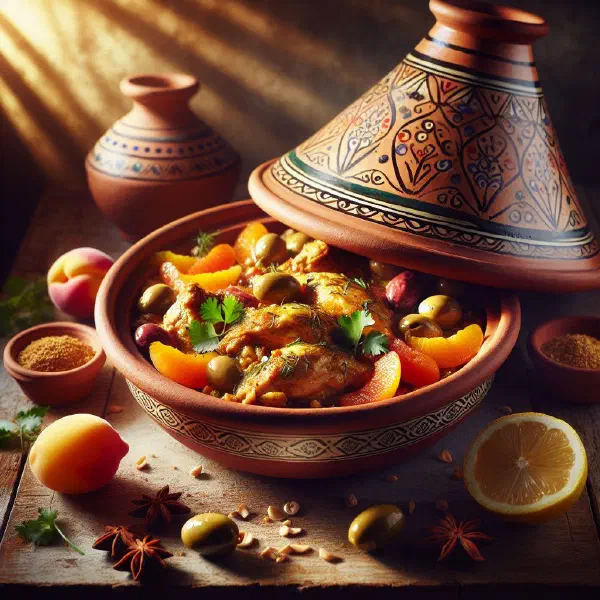
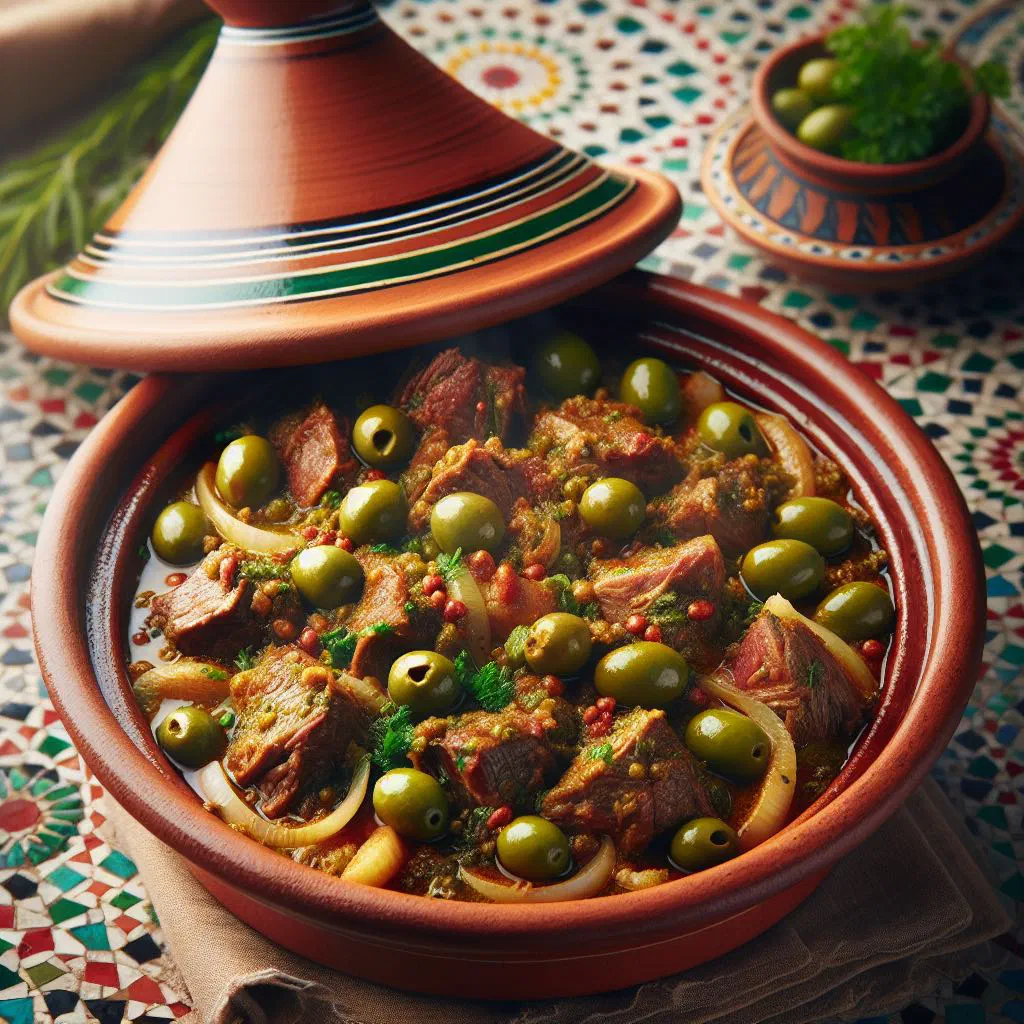
Meet Tajine Zitoun, one of the true jewels of Libyan cooking. Tender pieces of lamb or chicken are gently braised with briny green olives and a warm blend of North African spices until every flavour melts together. Slow-cooked in a traditional tajine pot, it fills the kitchen with the scent of cumin, cinnamon and paprika, and arrives at the table looking every bit as impressive as it tastes. Bring a taste of Libyan hospitality straight to your own home.
About Tajine Zitoun
Tajine Zitoun is a genuine highlight of Libyan cuisine. It brings together tender pieces of meat, usually lamb or chicken, with the wonderfully savoury, aromatic olives that Libya is known for. Cooking everything slowly in a tajine pot allows the flavours to blend perfectly, giving the dish its deep, rounded character.
Ingredients (serves 1–2)
- 300 g lamb or chicken, cut into pieces
- 150 g green or black olives, pitted
- 2 onions, finely chopped
- 2 cloves garlic, crushed
- 1 tsp cumin
- 1 tsp paprika
- 1 tsp cinnamon
- 4 tbsp olive oil
- Salt and pepper to taste
- Fresh herbs such as coriander or parsley, to garnish
Shopping for the ingredients
To capture the best flavours in your Tajine Zitoun, it pays to choose good-quality ingredients. Visit a local market or a specialist grocer to track down fresh olives and spices. If you live in a city, an Asian or African supermarket will often stock exactly what you need. Be sure to pick up some fresh herbs too, as they lift the flavour of the finished tajine considerably.
Preparing the dish
Making Tajine Zitoun takes a little groundwork to bring out the flavours at their best. Start by cutting the meat into even pieces and seasoning them with salt, pepper, cumin and paprika. Ideally, leave the meat to marinate for an hour so the spices can work their way in. In the meantime, prepare the onions and garlic so everything is ready to go and the cooking runs smoothly.
Step-by-step instructions
- Heat the olive oil in a tajine pot or a large pan over medium heat.
- Add the chopped onions and fry until golden brown.
- Stir in the garlic and let it cook briefly.
- Add the marinated meat and brown it all over.
- Pour in a little water so the meat can cook through evenly.
- Cover the pot and let the dish simmer over low heat for about 1 to 1.5 hours.
- Add the olives halfway through the cooking time to preserve their flavour.
- Serve the tajine garnished with fresh herbs.
Gluten-free / lactose-free version
Tajine Zitoun is naturally gluten-free and lactose-free, since its main ingredients are meat and olives. If you want to be extra careful that no other sources of gluten or lactose creep in, use fresh spices and check the labels on any processed ingredients. Pure olive oil and whole spices should be a given, but a quick glance at the ingredient list never hurts.
Tips for vegans and vegetarians
To adapt Tajine Zitoun for a vegan or vegetarian diet, simply swap the meat for chickpeas or local vegetables. Courgette, aubergine and carrots are excellent choices that give the dish a lovely texture. Cook the vegetables with the same spices and olives to keep that characteristic flavour. Just remember to adjust the cooking time, as vegetables generally need less time than meat. For more vegetable-forward inspiration, try a Vegetable Tagine.
More tips and tricks
For the best results with Tajine Zitoun, use fresh, good-quality ingredients. It often helps to soak the olives in water for a few hours to soften their saltiness. Another good idea is to let the tajine rest for a few minutes before serving so the flavours can settle. Remember to heat the tajine slowly to avoid scorching the dish or letting it cook unevenly.
Adapting the recipe to your taste
One of the best things about Tajine Zitoun is its versatility. You can adjust the ingredients to suit your own preferences, experimenting with different cuts of meat, spices or even the vegetables to discover new flavours. Consider using seasonal produce to keep the dish fresh and interesting. And don’t forget you can vary the sweetness by adding dried fruit such as apricots or raisins, much as you would in a fruity Tajine.
Ingredient substitutions
If you don’t have every ingredient for Tajine Zitoun to hand, there are plenty of alternatives. For instance, you can swap fresh olives for jarred ones, or use beef in place of lamb if that suits your taste better. Spices are often easy to substitute too. Try fennel in place of cumin, or chilli instead of paprika if you like things a little hotter. The same easy-going approach works beautifully in a hearty Lamb Stew.
Drink pairing ideas
To round off the experience of Tajine Zitoun, it is worth choosing the right drinks. A fresh, fruity white wine can complement the flavours nicely. Alternatively, a mint tea pairs beautifully with the traditional Libyan aromas. For a non-alcoholic option, a fruity, sparkling pomegranate or orange juice makes the meal feel that little bit more special.
Serving and presentation ideas
The way you present Tajine Zitoun can shape the whole dining experience. Serve the dish straight from the tajine pot and garnish it with fresh herbs. Alternatively, arrange it on a large platter and decorate with toasted nuts and dried fruit. Remember to keep the food warm, and offer fresh bread or Libyan Couscous alongside for a wonderfully complete meal.
A bit of history
Tajine Zitoun has a rich culinary heritage that reaches back to the Berber and Arab influences of North Africa. The dish is a symbol of Libyan hospitality and tradition, and it is often served on festive occasions, underlining its cultural importance. Over the years it has spread to other North African countries too, giving rise to many variations that are treasured wherever they appear, a fine example of Libyan cuisine.
More recipe ideas
Summary: Tajine Zitoun
All in all, Tajine Zitoun is an essential dish for anyone who loves Libyan cooking. With its combination of tender meat, savoury olives and aromatic spices, it brings the very best of North African flavours to the table. Whether for a festive family meal or a simple supper, this dish will pleasure your heart as much as your palate. Let the variety of Libyan cuisine inspire you, and give this delicious recipe a try.