National Dish Libya: Vegetable Tagine (Recipe)
In this article
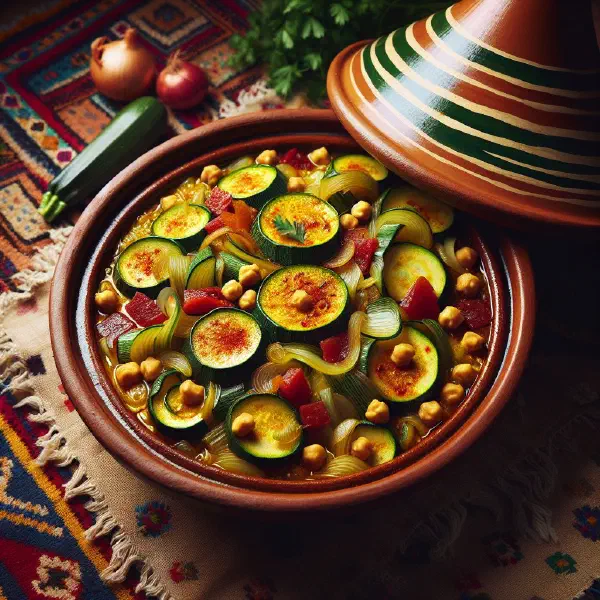
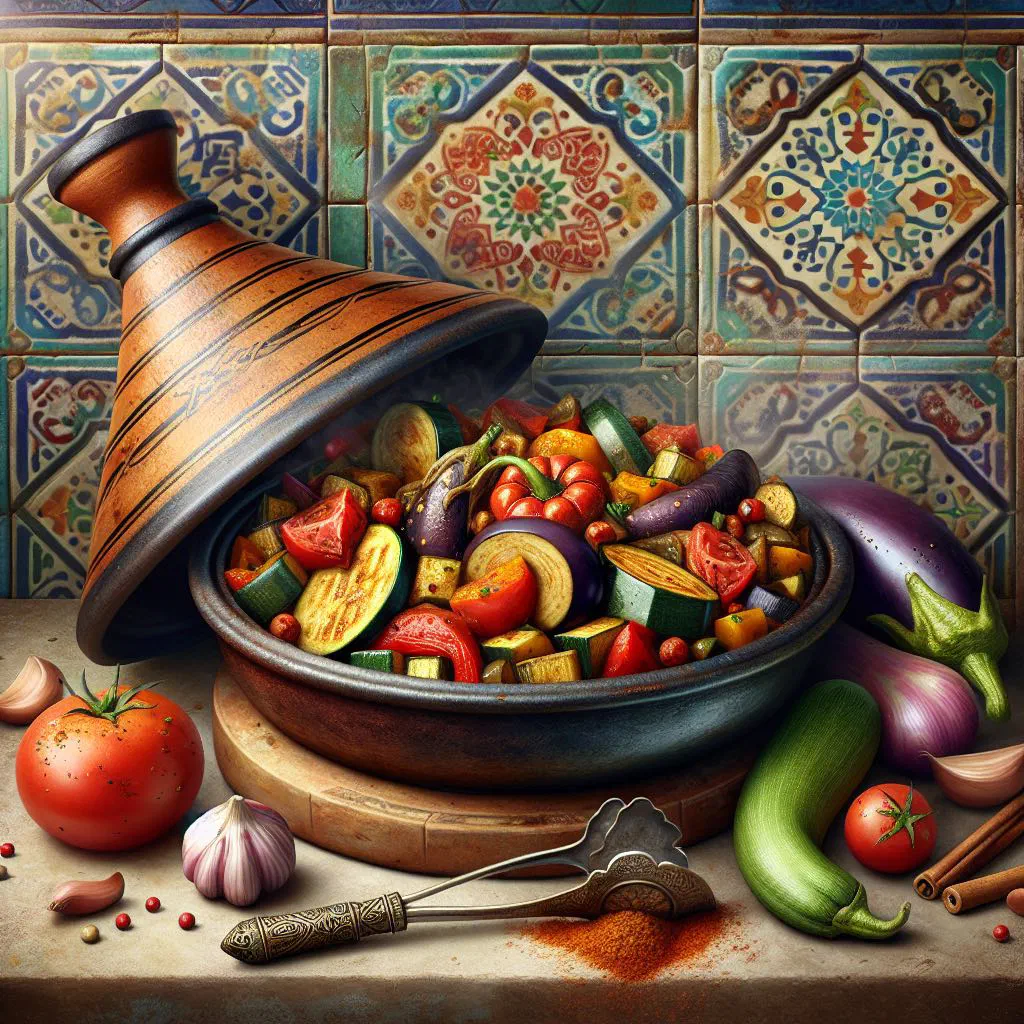
Discover Vegetable Tagine, a bright celebration of North African flavour that has become one of Libya’s most beloved dishes. Fresh seasonal vegetables and warming spices are gently slow-cooked in a conical clay pot until meltingly tender, filling the kitchen with the fragrance of cumin and paprika. Wholesome, colourful and completely vegetarian, this is a dish that brings people together around the table, a true symbol of Libyan hospitality that is surprisingly easy to recreate at home.
About Vegetable Tagine
The Vegetable Tagine is a genuine feast for the senses and a traditional dish with its roots in North African cooking. It takes its name from the special conical clay pot in which it is prepared, and it is prized for its delicate aromas and healthy ingredients. In Libya, vegetable tagine is far more than a main course. It is a symbol of hospitality and convivial dining. The sheer variety of colours and textures makes this dish a real pleasure to enjoy, much like the hearty vegetable comfort of a Tajine.
Ingredients (serves 1–2)
- 2 medium courgettes
- 1 aubergine
- 1 pepper (red or yellow)
- 1 carrot
- 1 onion
- 2 garlic cloves
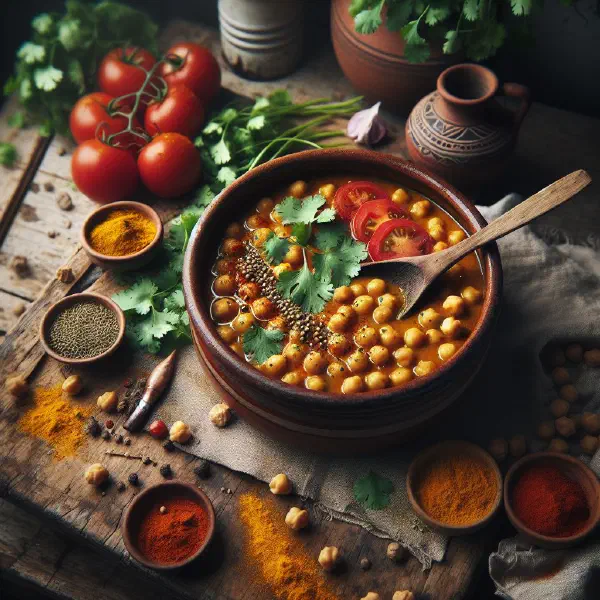
- 200 g chickpeas (pre-cooked or tinned)
- 2 tablespoons olive oil
- 1 teaspoon cumin
- 1 teaspoon paprika
- Salt and pepper, to taste
- Fresh herbs (such as parsley or coriander)
Shopping for the ingredients
When preparing Vegetable Tagine, it is important to use fresh, good-quality ingredients. Most of what you need can be found at your local supermarket or weekly market. Pay particular attention to the freshness of the vegetables, as they are decisive for the flavour of the finished dish. The spices also play a key role, where possible, reach for fresh herbs or high-quality dried spices to bring out the best aroma.
Preparing the dish
Preparing the Vegetable Tagine is both simple and creative. First, wash the vegetables thoroughly and cut them into even cubes to ensure they cook uniformly. The onion and garlic should be finely chopped so they can release their full flavour during cooking. Prepare the chickpeas too: if using fresh ones, soak and pre-cook them, or simply open the tin and rinse them well.
Step-by-step instructions
- Heat the olive oil in the tagine or a large pan over medium heat.
- Add the chopped onion and garlic and sauté until translucent.
- Add the cubed carrot, courgette, aubergine and pepper, and fry the vegetables for about 5 minutes.
- Sprinkle the spices (cumin and paprika) over the vegetables and stir well.
- Add the chickpeas and pour in a little water or vegetable stock as needed, so nothing catches.
- Cover the tagine or pot and let everything simmer over a low heat for around 20–30 minutes.
- Stir occasionally and check that the vegetables are cooked through and nicely tender.
- Serve the tagine hot, scattered with fresh herbs.
Gluten-free / lactose-free version
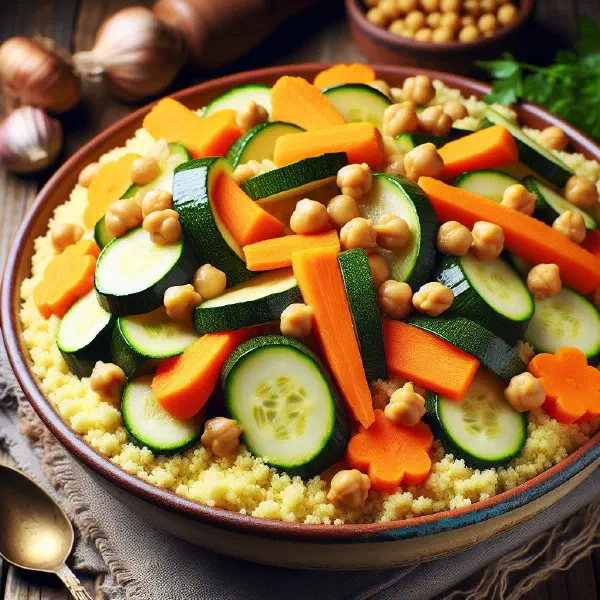
The Vegetable Tagine is naturally free from both gluten and lactose, which makes it an excellent choice for anyone with intolerances. When buying your ingredients, do check that all the spices and tinned goods are free from gluten-containing additives. Thanks to the fresh vegetables and pulses, the dish stays healthy and easy to digest. You can also serve it with traditional side dishes that are likewise vegan and gluten-free, such as quinoa or rice.
Tips for vegans and vegetarians
For vegans and vegetarians, the Vegetable Tagine is ideal, as it is rich in plant-based proteins and nutrients. Take care to use only plant oils and spices to keep the dish fully vegan. If you would like to add a little more heartiness, use wild rice or quinoa as a base to create a more filling meal. You can also stir in nuts or seeds for extra crunch and healthy fats, in the same wholesome spirit as a nourishing Libyan Lentil Soup.
More tips and tricks
A few simple tips can greatly enhance the potential of your Vegetable Tagine. Experiment with different vegetables according to the season to capture the freshest flavours. Adding dried fruit such as apricots or dates can lend a sweet note that rounds off the dish beautifully. And don’t forget to garnish the tagine with fresh herbs like coriander or mint for an extra hit of freshness.
Adapting the recipe to your taste
The Vegetable Tagine is extremely flexible and easy to adapt to personal preference. If there are certain vegetables you don’t care for, or that aren’t available, you can swap them out without any trouble. Alternatives such as sweet potato, pumpkin or even leafy greens make excellent options. You can also adjust the heat of the dish to your liking by adding chillies or pepper to achieve exactly the flavour you want.
Ingredient substitutions
If you don’t have all the ingredients for the Vegetable Tagine to hand, you can get creative and use alternatives. For example, you can replace the chickpeas with lentils for a similar texture and flavour. Different spices such as garam masala or thyme can also offer interesting variations, depending on your mood. Be a little adventurous, swapping ingredients often gives rise to new and exciting tastes, much like the aromatic twists found in a Tajine Zitoun.
Drink pairing ideas
A range of drinks pairs wonderfully with a hearty Vegetable Tagine, complementing the flavours of the dish. A freshly brewed mint tea is a traditional choice that refreshes and underlines the spices of the meal. Alternatively, a lightly chilled white wine or a fruity hibiscus tea can make a refreshing accompaniment. You could also try alcohol-free options, such as a homemade lemon and mint drink that pairs well with the dish.
Serving and presentation ideas
The presentation of a Vegetable Tagine can greatly enhance the whole dining experience. Serve the dish in the traditional tagine or in colourful bowls to show off the interplay of colours in the vegetables. Fresh herbs and a squeeze of lemon give the dish colour and freshness. For a festive atmosphere, you can add oriental touches to the meal, such as colourful napkins or matching table decorations to complete the picture.
A bit of history
The Vegetable Tagine is a delicious dish and carries a rich cultural history. The method of cooking in a tagine goes back to the Berbers of North Africa and symbolises a tradition of long, slow cooking. This style of cooking preserves the aromas and nutrients of the ingredients while also encouraging a sociable way of preparing food. In Libya, the tagine holds particular significance and often appears at festive occasions and family gatherings, making it a genuine part of the country’s culinary identity within Libyan cuisine.
More recipe ideas
Summary: Vegetable Tagine
The Vegetable Tagine is a versatile and nutritious dish that adapts beautifully to different tastes and needs. This traditional Libyan speciality brings together a wealth of vegetables and spices to offer a real taste sensation. Whether as a delicious dinner or as part of a festive buffet, the tagine impresses with its appearance and with its unmistakable flavour. Give it a try and let the aromas of North African cuisine work their magic.