National Dish Liechtenstein: Raisin Buns (Recipe)
In this article
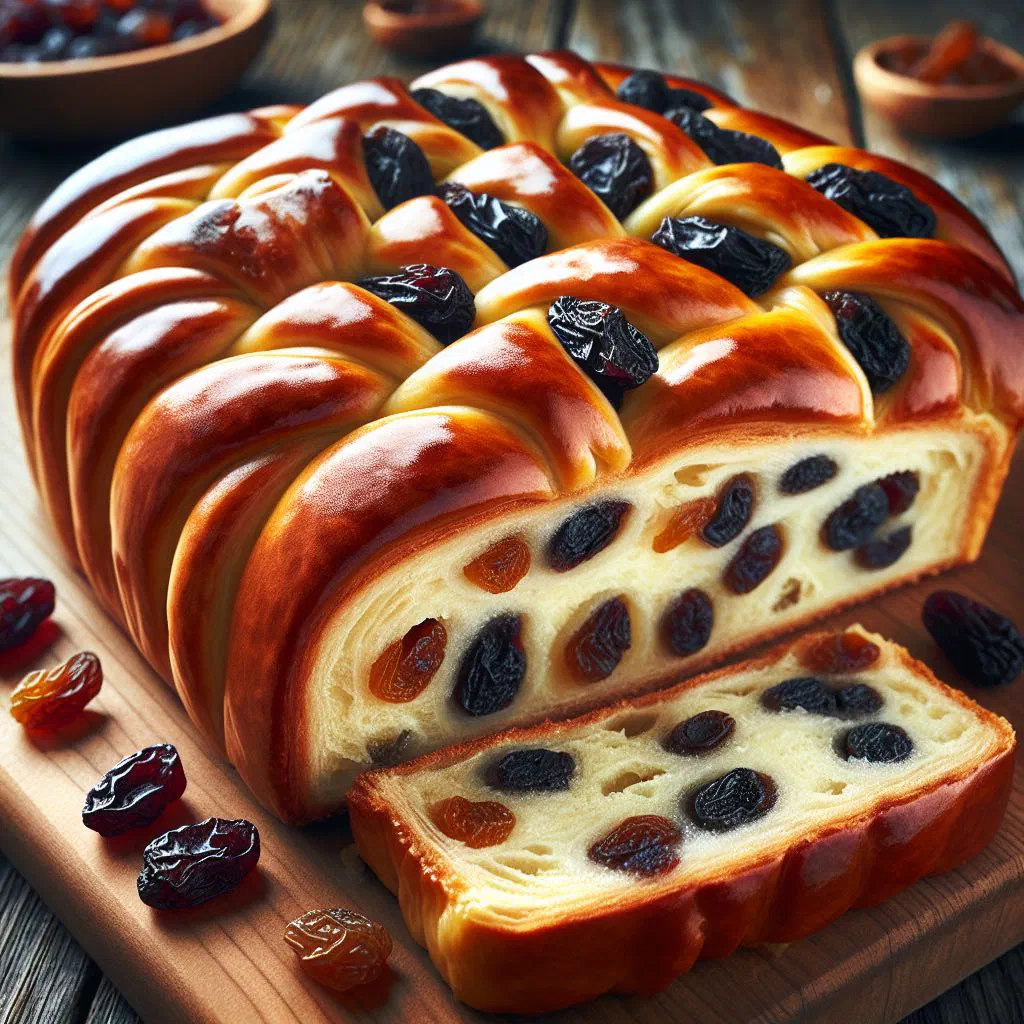
Say hello to Raisin Buns, one of Liechtenstein’s most comforting bakes. These soft, glossy yeast rolls are studded with plump raisins and carry a gentle sweetness that makes them impossible to resist. Traditionally served as a snack or alongside a good cup of coffee, they are the sort of homely treat that brings people together around the table. Fill your kitchen with the warm scent of fresh baking and enjoy a little taste of Alpine tradition.
About Raisin Buns
Raisin Buns are a much-loved national dish from Liechtenstein, celebrated for their sweet, moist crumb. These good yeast rolls are studded with tender raisins and deliver a flavour that charms locals and visitors alike. They are traditionally served as a snack or with coffee, which makes them the perfect companion for sociable afternoons. With their distinctive pairing of soft dough and fruity filling, they are a firm part of Liechtenstein’s culture and cuisine.
Ingredients (serves 1–2)
- 250 g flour
- 30 g sugar
- 1 sachet dried yeast
- 1 pinch of salt
- 150 ml milk
- 50 g butter
- 100 g raisins
- 1 egg
Shopping for the ingredients
When shopping for the ingredients for your raisin buns, it is worth choosing good-quality products. Use fresh flour and real butter for the best flavour. When buying the raisins, look for ones that are plump and free from added sugar. It can also be helpful to reach for regional produce where you can, to give the bake a truly authentic taste.
Preparing the dish
Preparing raisin buns is simple and takes only a few steps. First, sift the flour into a large bowl and combine it with the sugar, dried yeast and a pinch of salt. Next, warm the milk gently and melt the butter in it. This activates the yeast and lends the buns a delicious buttery note.
Step-by-step instructions
- In a bowl, whisk the warm milk-and-butter mixture together with the egg.
- Add the liquid ingredients to the dry ingredients and knead everything into a smooth dough.
- Leave the dough to prove in a warm place for about 1 hour, until doubled in size.
- Knead the raisins through the dough and divide it into small portions.
- Shape the portions into round buns and place them on a greased baking tray.
- Leave the buns to prove for a further 30 minutes.
- Brush with a little milk and bake in a preheated oven at 180 °C for 20 minutes.
Gluten-free / lactose-free version
To make raisin buns gluten-free or lactose-free, you can use gluten-free flour alternatives such as rice flour or almond flour. There are also special gluten-free dried yeasts that work well. For a lactose-free version, swap the butter for plant-based margarine and the milk for lactose-free milk or a plant-based milk alternative. These adjustments let you enjoy this traditional treat without having to worry about dietary restrictions.
Tips for vegans and vegetarians
Vegans can make raisin buns by leaving out the egg or replacing it with a plant-based egg alternative. Instead of butter, use vegetable oil or margarine. It is worth checking that the raisins have been processed without any animal products. These small tweaks make it easy to prepare the bake entirely to the needs of vegans and vegetarians.
More tips and tricks
When making raisin buns, it helps to let the dough prove in a slightly warm room. This keeps the yeast more active and helps the dough rise better. For an extra layer of flavour, you can add spices such as cinnamon or nutmeg. Take care not to bake the buns for too long, so they stay pleasantly moist.
Adapting the recipe to your taste
The raisin bun recipe is easy to adapt to personal preference. Add nuts, for example, or other dried fruits such as dates or apricots for an interesting variation. For a chocolatey touch, small chocolate chips can be mixed through the dough. Experiment with different ingredients to create your very own raisin bun experience. The same spirit of gentle improvisation carries over beautifully into a cosy Apfelstrudel.
Ingredient substitutions
If you do not have any raisins to hand, you can replace them with dried cranberries or cherries, which are just as delicious. For a gluten-free version, you might also experiment with coconut flour. The type of flour can be changed at any time too, to test out different textures and flavours. Substitutions like these open up new taste experiences and make the recipe more versatile, much as they do in a braided Butterzopf.
Drink pairing ideas
A variety of drinks pair wonderfully with sweet raisin buns. Coffee lovers can enjoy a cup of freshly brewed filter coffee or espresso. A cup of tea, especially fruit tea or green tea, also works beautifully. For a festive touch you might opt for a mulled wine, particularly during the colder months.
Serving and presentation ideas
To present your raisin buns especially attractively, serve them on a large, rustic wooden board. Decorate the board with fresh fruit or mint leaves for a splash of colour. To enhance the classic look, dust the buns with a little icing sugar. This simple presentation is sure to catch your guests’ eye.
A bit of history
Raisin buns have a long history in Liechtenstein’s culture. Originally they were baked as a simple bread in households, to feed the family. Over time they developed into a popular snack, served above all on festive occasions. Their enduring popularity is proof of how deeply rooted they are in Liechtenstein tradition, a treasured part of the country’s cuisine.
More recipe ideas
Summary: Raisin Buns
In short, raisin buns are a tasty treat and an important part of Liechtenstein’s culinary culture. Whether for a special occasion or simply during a sociable afternoon, these little rolls are always a good choice. Their easy preparation and the freedom to adapt the recipe to your own preferences make them a wonderfully flexible snack. Give raisin buns a try and enjoy a slice of Liechtenstein tradition.