National Dish Liechtenstein: Sauerkäs (Recipe)
In this article
Meet Sauerkäs, the tangy sour-cheese speciality that stands proudly among the national dishes of Liechtenstein. Built around regional cheese and lifted with fresh herbs, garlic and a spoonful of creamy dairy, it delivers a punchy, savoury flavour that begs to be piled onto crusty bread. Simple to throw together yet full of Alpine character, it is the sort of hearty bite that turns a quiet afternoon or a lively gathering into something memorable.
About Sauerkäs
Liechtenstein has a rich culinary tradition, and one of its special highlights is the national dish Sauerkäs. This dish is made mainly from regional cheese, refined with fresh herbs and seasonings. The combination of tangy dairy and the aromatic note of the herbs makes Sauerkäs a memorable taste experience. It is often served with crusty bread and is perfect for sociable get-togethers or as a savoury snack.
Ingredients (serves 1–2)
- 200 g regional cheese
- 2 tablespoons fresh herbs (such as chives and parsley)
- 1 clove of garlic
- 100 g yoghurt or soured cream
- Salt and pepper, to taste
- 2 slices of crusty bread
Shopping for the ingredients
To create an authentic Sauerkäs, it is worth buying your ingredients from a local grocer or a market. Make sure the cheese is fresh and comes from the region. The herbs should be as fresh as possible, too, since they have a decisive influence on the flavour of the dish. Where you can, choose organic-certified products to guarantee the best quality.
Preparing the dish
Before you start making the Sauerkäs, get all your ingredients ready. Wash the fresh herbs thoroughly and chop them finely. The garlic can likewise be finely chopped or pressed. Take care to use a well-matured cheese that is easy to work with. Once all the ingredients are prepped, you are ready for the actual preparation.
Step-by-step instructions
- Put the cheese in a bowl and mash it well with a fork.
- Add the fresh herbs and the chopped garlic.
- Stir in the yoghurt or soured cream until you have a creamy consistency.
- Season to taste with salt and pepper.
- Arrange the finished Sauerkäs on the slices of crusty bread.
Gluten-free / lactose-free version
For anyone with a gluten or lactose intolerance, there are easy ways to enjoy Sauerkäs. You can use gluten-free bread, which is now widely available in supermarkets. For the lactose-free version, reach for lactose-free yoghurt products or even plant-based alternatives. These adjustments mean you can tuck into this hearty dish without a second thought.
Tips for vegans and vegetarians
Vegans can enjoy Sauerkäs too, by swapping the cheese for a mixture of seitan or soya-based products. These offer a similar consistency and can be combined with plant-based cream or yoghurt. For vegetarians the dish is already ideal, though they can experiment with different seasonings to deepen the flavour even further. Varying the herbs can also bring exciting new taste directions, much as they do in a plate of Käsknöpfle.
More tips and tricks
When making Sauerkäs, a few things are worth keeping in mind. Vary the herbs according to the season and your own taste to set fresh accents each time. If you prefer the mixture a little firmer, let the cheese rest in the fridge before serving so the flavour has time to develop fully. A pinch of chilli can lend the dish an exciting kick and intensify the aromas.
Adapting the recipe to your taste
The Sauerkäs recipe is extremely versatile and easily adapted to your preferences. Add roasted nuts or seeds, for example, to give the dish crunch and extra nutrients. You can also try different types of cheese to make the flavour more interesting. Developing your own variation can be an enjoyable kitchen adventure that brings out surprising flavour combinations, in the same spirit as a warming Käseschnitte.
Ingredient substitutions
If you do not have every ingredient to hand, you can get creative and look for alternatives. Regional cheese, for instance, can be replaced with feta or cottage cheese, as long as you are happy with the change in flavour. Yoghurt can also be swapped for plant-based alternatives made from almond or coconut milk. Experiment and find out which combinations you like best.
Drink pairing ideas
To serve Sauerkäs in style, the right drinks make all the difference. A light, crisp white wine such as a Riesling harmonises beautifully with the tangy notes of the dish. Alternatively, you could reach for a refreshing mineral water with a squeeze of lemon. A homemade lemonade or a fruity smoothie can also make an interesting addition and round off the tasting experience.
Serving and presentation ideas
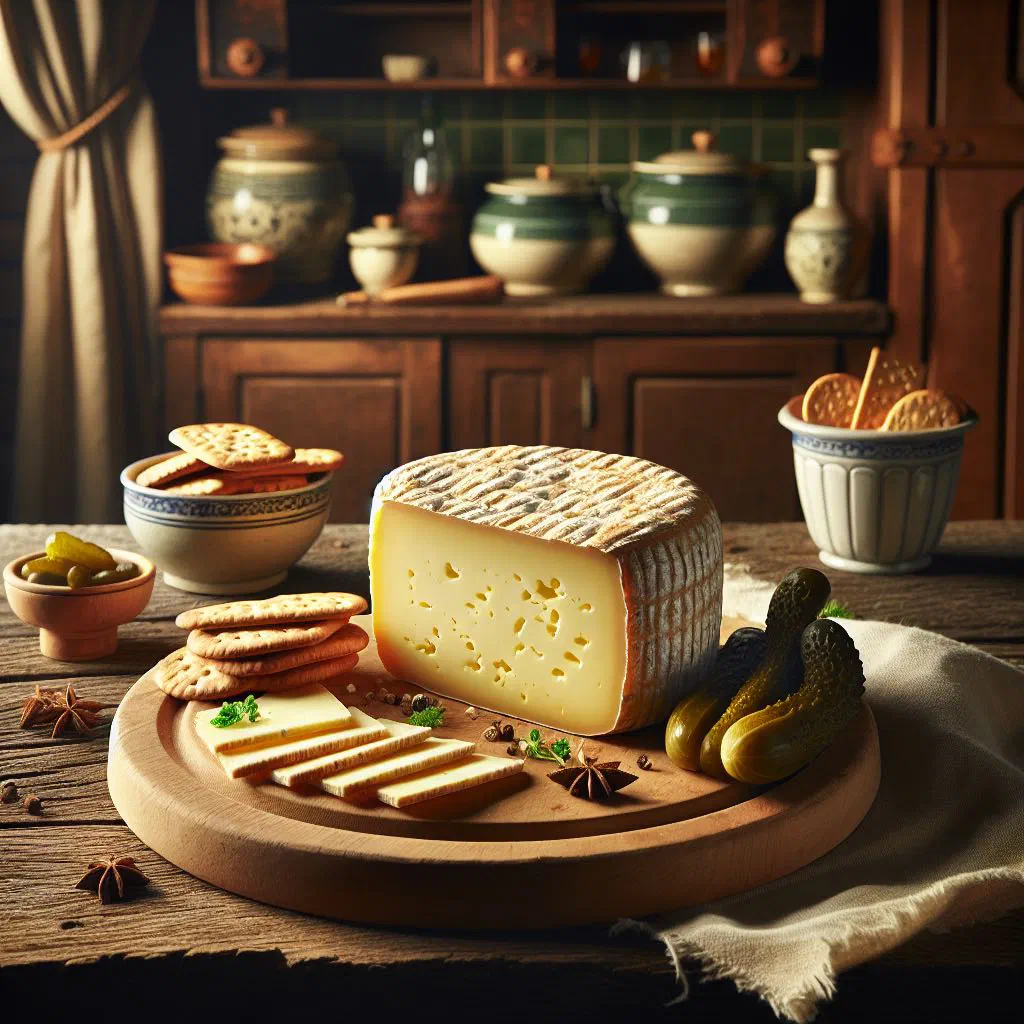
The presentation of Sauerkäs can considerably heighten the enjoyment. Serve the dish on a rustic wooden board to create a cosy atmosphere. Garnish the Sauerkäs with fresh herbs or edible flowers for a visual wow effect, just as you might dress up a generous Vesperplatte. Make sure the bread is arranged so it looks appealing, and serve the drinks in attractive glasses to complete the whole experience.
A bit of history
Sauerkäs has its roots in the rural cooking of Liechtenstein, where regional, non-perishable ingredients were traditionally used. In earlier times it was often served as a hearty dish at festivals and gatherings. Today it is a popular fixture of Liechtenstein cuisine, prepared both in traditional restaurants and at home. Its method of preparation has undergone a few variations over the years, yet it remains an enduring symbol of Liechtenstein hospitality.
More recipe ideas
Summary: Sauerkäs
Sauerkäs is a culinary highlight from Liechtenstein that wins you over with its unmistakable flavour and its simple preparation. It brings together fresh cheese and aromatic herbs and offers plenty of scope for adapting to different dietary needs. Whether as a snack or a celebratory dish, Sauerkäs brings a piece of Liechtenstein tradition to the table. With these handy tips and alternatives in mind, it is wonderfully easy to recreate this dish at home.