National Dish Lithuania: Berry Kompot (Recipe)
In this article
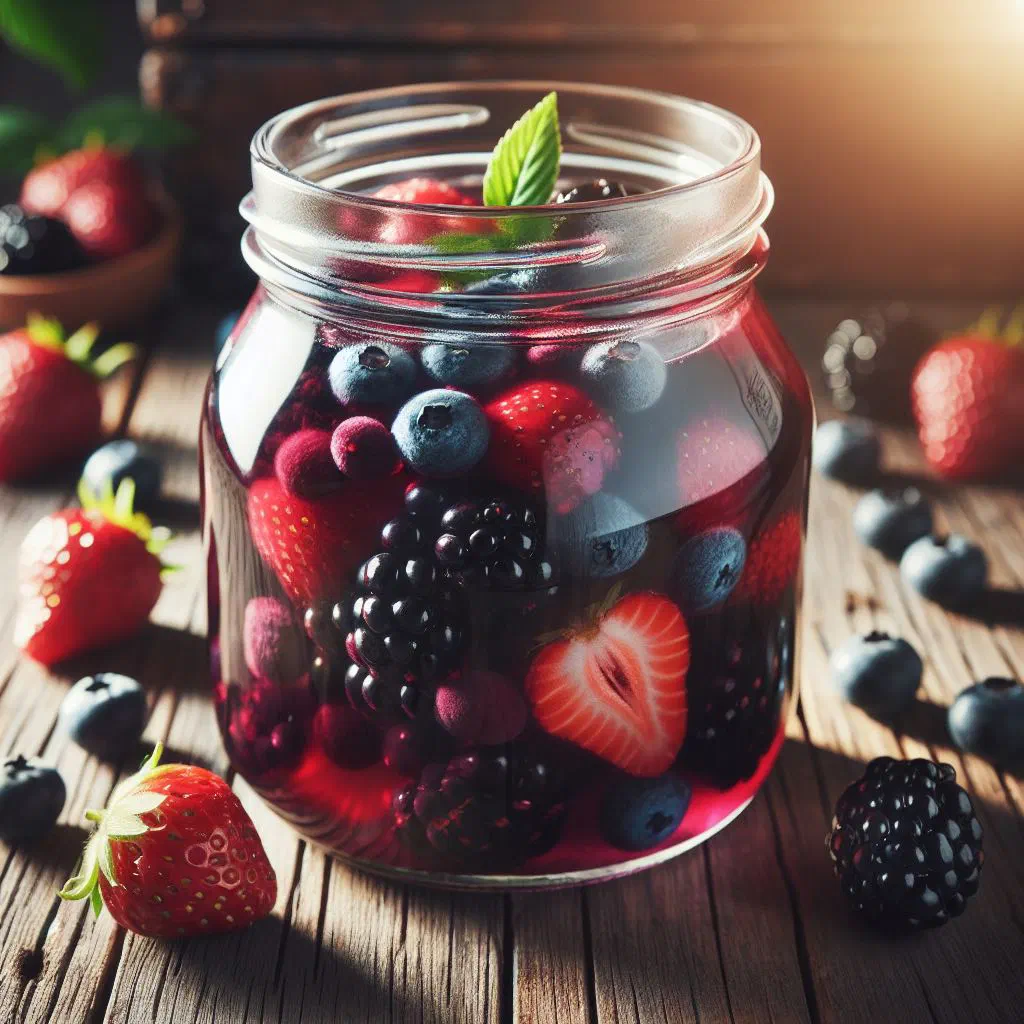
Meet Uogų kompotas, Lithuania’s cheerful celebration of summer in a glass. This fruity compote gathers a handful of ripe berries and simmers them into a light, tangy syrup that tastes of long, sunlit afternoons. Refreshing served cold or comforting when warm, it slips effortlessly between a simple dessert and a thirst-quenching drink. Bring a little Baltic summer to your own table with this easy, wholesome classic.
About Berry Kompot
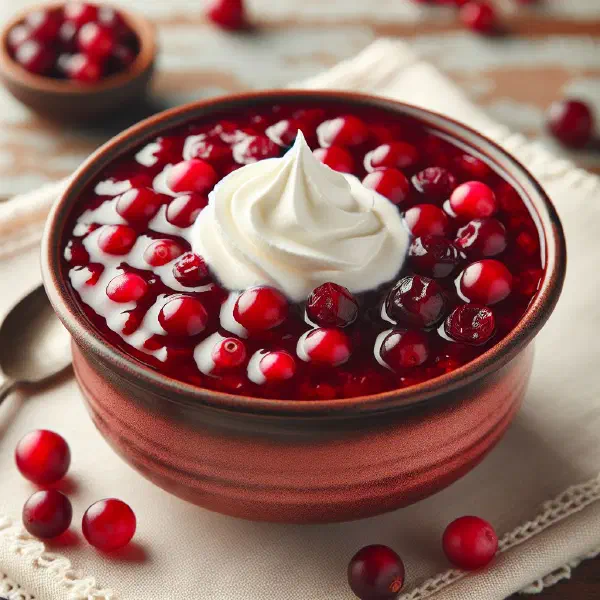
Uogų kompotas is a traditional Lithuanian dessert prepared in kitchens across the country. This fruity compote brings together an array of fresh berries and other fruit, steeped in a sweet, lively syrup. The result is a delicious and refreshing accompaniment or pudding that pairs happily with all sorts of meals. It is at its very best in summer, when the fruit is fresh, ripe and full of juice. Simple and forgiving, it belongs to the same homely tradition as a warming bowl of Kisielius.
Ingredients (serves 1–2)
- 200 g mixed berries (e.g. raspberries, strawberries, blueberries)
- 100 g sugar
- 500 ml water
- A squeeze of lemon
- A few mint leaves (optional)
Shopping for the ingredients
When shopping for the ingredients for berry kompot, it is important to choose fresh, ripe fruit. Check that the berries are undamaged to guarantee the best possible flavour. Where you can, reach for local and seasonal produce. This supports regional growers and rewards you with more intense aromas.
Preparing the dish
Preparing berry kompot is quick and straightforward. Begin by rinsing the berries thoroughly and removing any stems or leaves. If you are using larger fruit such as strawberries, halve them so they cook evenly. Have all your ingredients to hand before you start, which makes the whole process more efficient and helps you achieve a lovely result.
Step-by-step instructions
- Pour the water into a saucepan and bring it to the boil.
- Add the sugar and stir until it has dissolved completely.
- Add the washed berries to the sugar syrup and let them simmer for 5–10 minutes.
- Add a squeeze of lemon to balance the sweetness.
- Once cooked, let the kompot cool and serve it either cold or warm.
Gluten-free / lactose-free version
Berry kompot is naturally gluten-free and lactose-free, which makes it a favourite pudding for a great many people. Its ingredients, mainly fresh fruit, water and sugar, contain no gluten and no dairy whatsoever. That makes the recipe ideal for anyone with food intolerances or particular dietary needs.
Tips for vegans and vegetarians
Berry kompot is vegan and vegetarian from the ground up, since it contains no animal products at all. To make it even more wholesome, you can swap the sugar for natural sweeteners such as honey or agave syrup, the latter being the vegan-friendly choice. You can also try out different fruit combinations to create new flavours, and a pinch of spiced sugar can lend the recipe an intriguing extra note.
More tips and tricks
A few handy tips make your berry kompot even easier to get right. Take care not to cook the compote for too long, so the fruit keeps its texture and colour. You can also play with the sweetness of the syrup and use different types of sugar to vary the flavour. A good way to keep the kompot is to preserve it in jars, so you can dip into your summer fruit right through the winter.
Adapting the recipe to your taste
One of the great strengths of berry kompot is its versatility. Depending on your own taste you can combine different fruit or dial the sweetness up or down. If you fancy adding tropical fruit, for instance, try pineapple or mango for an exotic compote. Let your imagination run free and discover your own favourite mix.
Ingredient substitutions
If certain fruits are not available where you live, there are plenty of alternatives to fall back on. Apples or pears make a delicious base and combine beautifully with berries. Frozen berries are a practical option too when fresh fruit is out of season, the same clever trick that keeps a jar of Lingonberry Sauce on the table all year round. Experiment with different sugar substitutes or aromatic herbs to adjust the compote to your taste.
Drink pairing ideas
Berry kompot goes wonderfully with a whole range of drinks. A light, sparkling white wine or a fruity prosecco harmonises perfectly with the sweet notes of the compote. For an alcohol-free option, reach for a refreshing sparkling water with a squeeze of lemon or lime. If you are planning a menu for a get-together, berry kompot also makes a fantastic partner to sweet cocktails and mocktails, much like a warming glass of Krupnikas rounds off a festive spread.
Serving and presentation ideas
The presentation of your berry kompot can add a great deal to the enjoyment. Serve it in a pretty glass, garnished with fresh mint leaves or an extra berry perched on top. For special occasions, elegant dessert bowls or glasses heighten the visual appeal. Be sure to serve the compote well chilled. This brings out both its freshness and its flavour.
A bit of history
Berry kompot has a long tradition in the kitchens of Lithuania and is regarded as a symbol of Lithuanian culture. The dish is often bound up with memories of childhood and long summer days spent with family. In rural areas the compote was frequently made from the freshest berries straight out of the garden. Over time the recipe has evolved and is prized today in modern kitchens too, standing proudly alongside sweet treats of Lithuanian cuisine such as the beloved Spanguoliu Kisielius.
More recipe ideas
Summary: Berry Kompot
Berry kompot is a delicious and easy dish that shows off the freshness of Lithuanian fruit to perfection. Prepared with a little care, it can be tailored to your own taste and works equally well as a dessert or a refreshing accompaniment. It is a vivid example of Lithuania’s rich food culture and brings a breath of summer to any table. Give this recipe a go and savour the natural flavours of the Lithuanian countryside.