National Dish Lithuania: Bulvinė dešra (Recipe)

In this article
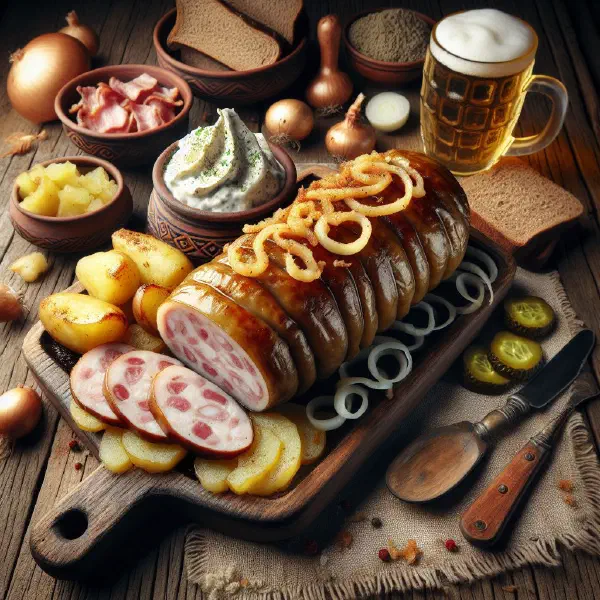
Discover Bulvinė dešra, Lithuania’s beloved potato sausage. This rustic classic marries freshly grated potatoes with savoury sausage and a handful of gentle seasonings, all fried until golden and crisp. Rooted in the country’s rural traditions, where the potato reigned supreme, it is honest, hearty fare that carries generations of history in every bite. Bring a taste of the Lithuanian countryside straight to your own kitchen.
About Bulvinė dešra
Bulvinė dešra, also known as potato sausage, is a true gem of Lithuanian cooking. This hearty sausage brings together freshly grated potatoes with a range of seasonings and tender sausage, all of which lend it a distinctive character. The recipe has its origins in rural tradition, where the potato was a staple food and the backbone of everyday meals. Today Bulvinė dešra is far more than a simple dish. It is a symbol of Lithuanian heritage and culture, still cherished at family tables across the country.
Ingredients (serves 1–2)
- 500 g freshly grated potatoes
- 200 g sausage or minced meat
- 1 egg
- 1 onion, finely chopped
- Salt and pepper, to taste
- Oil, for frying
Shopping for the ingredients
Before you begin making Bulvinė dešra, it is worth sourcing the right ingredients. Freshly grated potatoes are the key to an authentic texture, so look for waxy potatoes that hold their shape well. For the sausage you can experiment with different varieties, depending on your personal taste and preference. Onions and seasonings add extra aromas that deepen the flavour and round out the dish beautifully.
Preparing the dish
Getting ready to make Bulvinė dešra is simple and calls for only a few steps. Begin by peeling the potatoes and grating them thoroughly. Then squeeze the grated potatoes to remove any excess liquid. This is crucial for achieving the right consistency in the finished sausage. While the potatoes drain, you can prepare the onion and the sausage, which helps speed the whole process along.
Step-by-step instructions
- Tip the grated potatoes into a bowl and add the egg along with the diced onion.
- Season the mixture with salt and pepper to taste.
- Cut the sausage into small pieces and fold it through the potato mixture.
- Heat a little oil in a pan and add small portions of the mixture.
- Fry the sausage patties until golden brown and crisp on each side.
- Serve warm and enjoy.
Gluten-free / lactose-free version
Bulvinė dešra is naturally gluten-free and lactose-free, since its main ingredients are potatoes and sausage. Do take care, however, that the sausage you use is also free from gluten. This matters especially if you or your guests suffer from coeliac disease or lactose intolerance. In place of egg, you can also use a gluten-free binding alternative to vary the dish to suit your needs.
Tips for vegans and vegetarians
If you would like to prepare a vegan or vegetarian version of Bulvinė dešra, you can easily swap the sausage for plant-based alternatives. There are many delicious vegan sausages that offer a similar texture and flavour. On top of that, you can add vegetables such as peppers or carrots to bring more colour and nutrients to the mixture. These tweaks make the dish easier to digest and broaden its range of flavours.
More tips and tricks
To make Bulvinė dešra even more interesting, you can experiment with different seasonings or add herbs such as parsley and dill. These lend the dish a fresh note and heighten the aroma. You can also bake the sausage patties in the oven to cut down on fat. This gives you a lighter version that contains fewer calories without sacrificing any of the enjoyment.
Adapting the recipe to your taste
Making Bulvinė dešra is wonderfully flexible and easy to tailor to personal preference. You can vary the amount of onion to taste, or even add garlic to build extra depth of flavour. It is also worth experimenting with the type of sausage, as different varieties can shape the dish in quite distinct ways. These adjustments let you create a meal that fits your own taste exactly.
Ingredient substitutions
If you do not have every ingredient to hand, there are plenty of alternatives for Bulvinė dešra. For example, you can use mashed potato instead of fresh potatoes, which reduces the effort involved. For an even sweeter note, choose sweet potatoes in place of ordinary ones. The sausage, too, can be swapped for tofu or seitan, offering further options for vegetarians and vegans, much as you might do with hearty Cepelinai.
Drink pairing ideas
A range of drinks makes a fine companion to Bulvinė dešra. A light white wine or a fruity cider harmonises well with the flavours of the sausage. If you prefer something without alcohol, a refreshing glass of sparkling water or a homemade iced tea works beautifully.
Serving and presentation ideas
An attractive presentation can lift the whole Bulvinė dešra experience considerably. Serve the sausage patties on a rustic wooden board and garnish them with fresh herbs. A side of sour cream or yoghurt adds an extra hint of freshness to the dish. Don’t forget to let the colours of the ingredients shine, so you create an inviting, appetising plate.
A bit of history
Bulvinė dešra has a history that runs deep in Lithuania’s rural tradition. For centuries, people have relied on the potato as a staple food and combined it with meat to make filling meals. The sausage itself symbolises creativity in the kitchen and the close bond between the Lithuanian people and their countryside roots. This tradition is still kept alive today and has found its place in modern Lithuanian cuisine, alongside classics such as Bulviu Plokstainis.
More recipe ideas
Summary: Bulvinė dešra
Bulvinė dešra is more than just a dish; it is a piece of Lithuanian culture and tradition. Its uncomplicated ingredients and versatile preparation make it a favourite for many. It offers a delicious taste experience that stirs memories of the Lithuanian homeland. Let this rustic recipe inspire you and bring a little Lithuanian flair to your own kitchen.