National Dish Lithuania: Carrot Cake (Recipe)
In this article
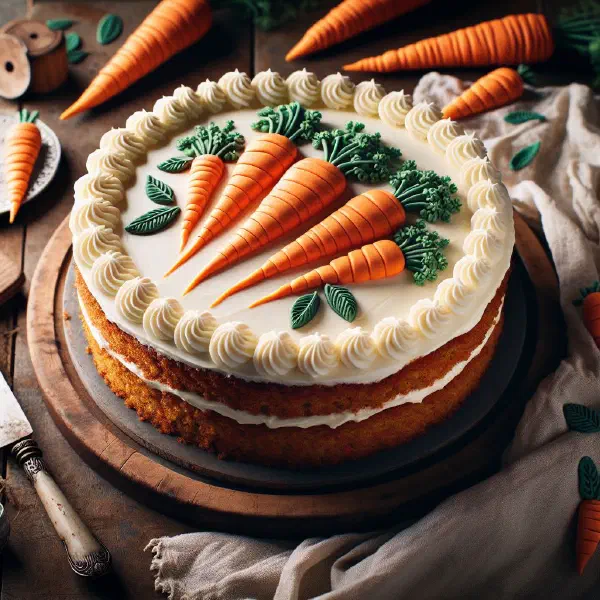
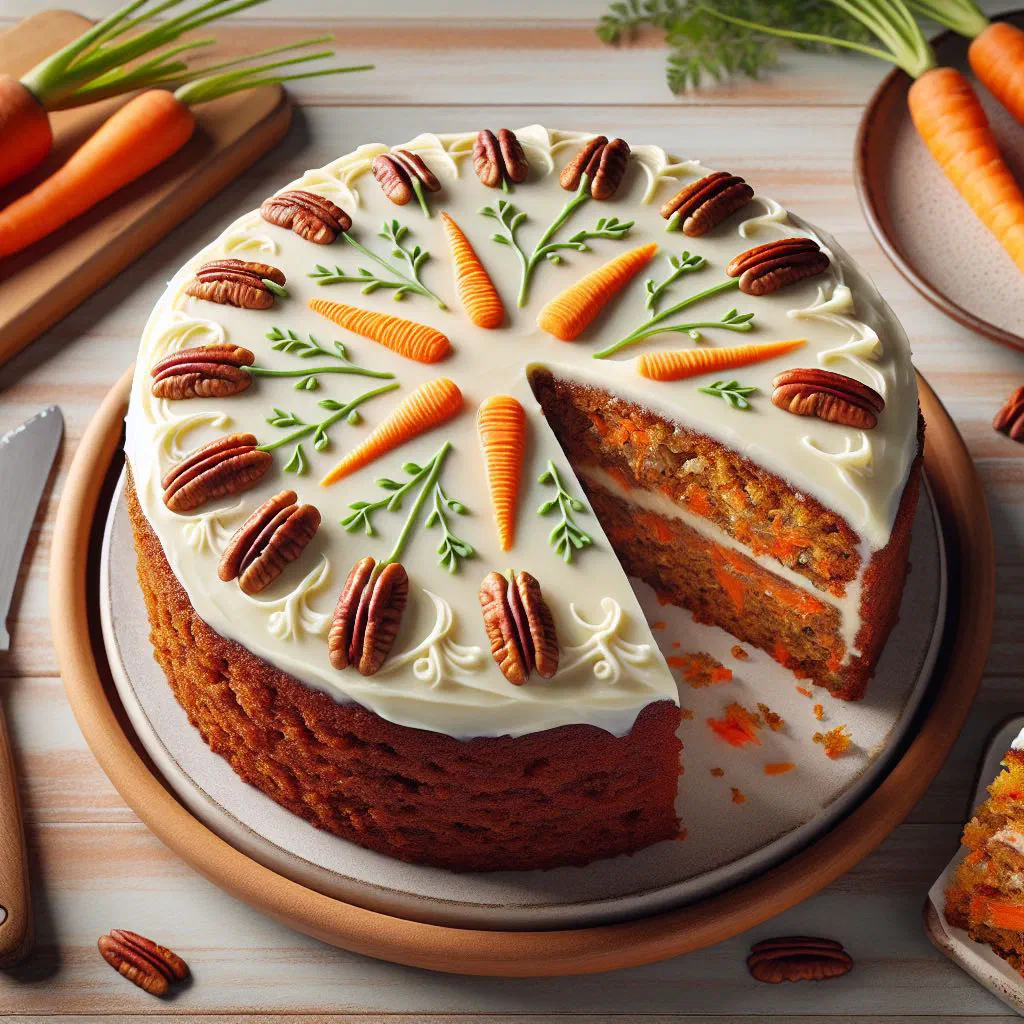
Meet Morku pyragas, Lithuania’s much-loved carrot cake and a wonderfully moist bake that celebrates the humble root vegetable. Fragrant with cinnamon, studded with ground nuts and naturally sweet from freshly grated carrots, it is the kind of cake that feels equally at home on a festive table or beside an afternoon cup of tea. Bring a little Baltic warmth to your own kitchen with this comforting classic.
About Carrot Cake
Morku pyragas is a traditional Lithuanian carrot cake that wins people over with its fresh carrots, nuts and a generous scattering of warming spices. Its distinctive flavour and moist texture make it a highlight of Lithuanian baking. In Lithuania the cake is often served on special occasions, and its popularity reaches well beyond the country’s borders. It is the perfect sweet treat for any moment, whether for a celebratory gathering or simply as an afternoon snack.
Ingredients (serves 1–2)
- 150g fresh carrots, grated
- 100g sugar
- 100g ground nuts (such as walnuts or almonds)
- 2 eggs
- 100ml vegetable oil
- 200g flour
- 1 tsp baking powder
- 1 tsp cinnamon
- 1 pinch of salt
Shopping for the ingredients
When shopping for the ingredients for Morku pyragas, pay attention to the quality of the carrots. It is best to use fresh, juicy carrots with a bright orange colour. The nuts should be fresh too, as they lend the cake both texture and aroma. Where possible, buy good-quality spices to guarantee the full flavour of the cake. Many of these staples are easy to find in a regular supermarket and pair beautifully with the wider world of Lithuanian cuisine.
Preparing the dish
Before you begin making the Morku pyragas, it is important to get all your ingredients ready. Measure out the quantities carefully to achieve the best possible result. Grating the carrots can take a little time, but it is essential for giving the cake its characteristic moisture. Make sure your oven is preheated to the right temperature before moving on to the next step.
Step-by-step instructions
- Combine the grated carrots with the eggs and sugar in a large bowl.
- Add the vegetable oil and stir well until the mixture is smooth.
- In a separate bowl, mix together the flour, baking powder, cinnamon and salt.
- Slowly work the dry ingredients into the carrot mixture and stir thoroughly.
- Add the ground nuts and fold them in until evenly distributed.
- Pour the batter into a greased loaf tin and smooth the top.
- Bake in the preheated oven at 180°C for about 40–45 minutes.
- Once baked, remove the cake from the oven and leave it to cool on a wire rack.
Gluten-free / lactose-free version
Making Morku pyragas suitable for gluten-free and lactose-free diets is straightforward. Replace the ordinary flour with a gluten-free flour or a flour blend designed for baking. You can also swap the eggs for chia eggs or another egg substitute. Be sure to use vegetable oils to keep the cake lactose-free, so that people with intolerances can enjoy it too.
Tips for vegans and vegetarians
For a vegan version of Morku pyragas, the eggs can be replaced with apple sauce or chia pudding. These ingredients provide the binding the batter needs and add extra moisture as well. When choosing your nuts, check that they have not been processed alongside animal products. Vegans should also make sure the sugar has not been filtered through bone char, so the cake stays fully plant-based.
More tips and tricks
A few small tips and tricks can help you make your Morku pyragas even more delicious. Try adding extra spices such as nutmeg or ginger to give the cake a special note. The texture can also be improved by folding in grated apple or pineapple, which brings additional moisture. If you would like the cake to look especially decorative, finish it with a glaze of icing sugar and lemon juice.
Adapting the recipe to your taste
Morku pyragas is a versatile recipe that is easy to adjust to your personal preferences. If you like things less sweet, reduce the amount of sugar or use alternative sweeteners such as honey or agave syrup. For a crunchier texture, add different nuts or even dried fruit. Give your creativity free rein and experiment with the ingredients. For another fruit-forward bake, an Apple Cake makes a lovely companion.
Ingredient substitutions
There are plenty of alternatives to the ingredients used in this recipe. Instead of wheat flour, for example, you could use almond or oat flour to achieve a nuttier note. For a healthier cake, reach for unrefined sugar or honey, the same natural sweetener that shines in a Honey Cake. Experiment with different flavours to discover the best combination for your Morku pyragas.
Drink pairing ideas
Morku pyragas goes wonderfully with a range of drinks. A freshly brewed black tea or a refreshing ginger tea can complement the spices in the cake beautifully. For a special treat, you could also serve a creamy cappuccino or a latte. These drinks lend the sweet cake a delicious depth and make it a perfect dessert. A chilled glass of Uogu Kompotas is a lovely fruity alternative.
Serving and presentation ideas
There are many creative ways to present Morku pyragas attractively. You can arrange the cake on a decorative plate and garnish it with fresh fruit. A light glaze of icing sugar can also give the cake an appealing finish. If you slice it and serve it on small dessert plates, you can surprise your guests with a little portion of cream or vegan cream on the side.
A bit of history
The roots of Morku pyragas run deep into Lithuanian culture. Carrots were historically one of the mainstay ingredients of Lithuanian cooking, especially in times when sugar and other sweeteners were expensive and hard to come by. This gave rise to a tradition of using carrots in desserts that continues to this day. The cake symbolises the link between tradition and modern cooking in Lithuania, and plays an important part in the country’s culinary identity, much like the celebrated Sakotis.
More recipe ideas
Summary: Carrot Cake
Morku pyragas is delicious and a wonderfully versatile part of Lithuanian baking. With its perfect balance of sweetness and spice, along with its moist texture, it appeals to locals and visitors alike. Let this traditional recipe inspire you and give it a try yourself.