National Dish Lithuania: Kukurūzų košė (Recipe)
In this article
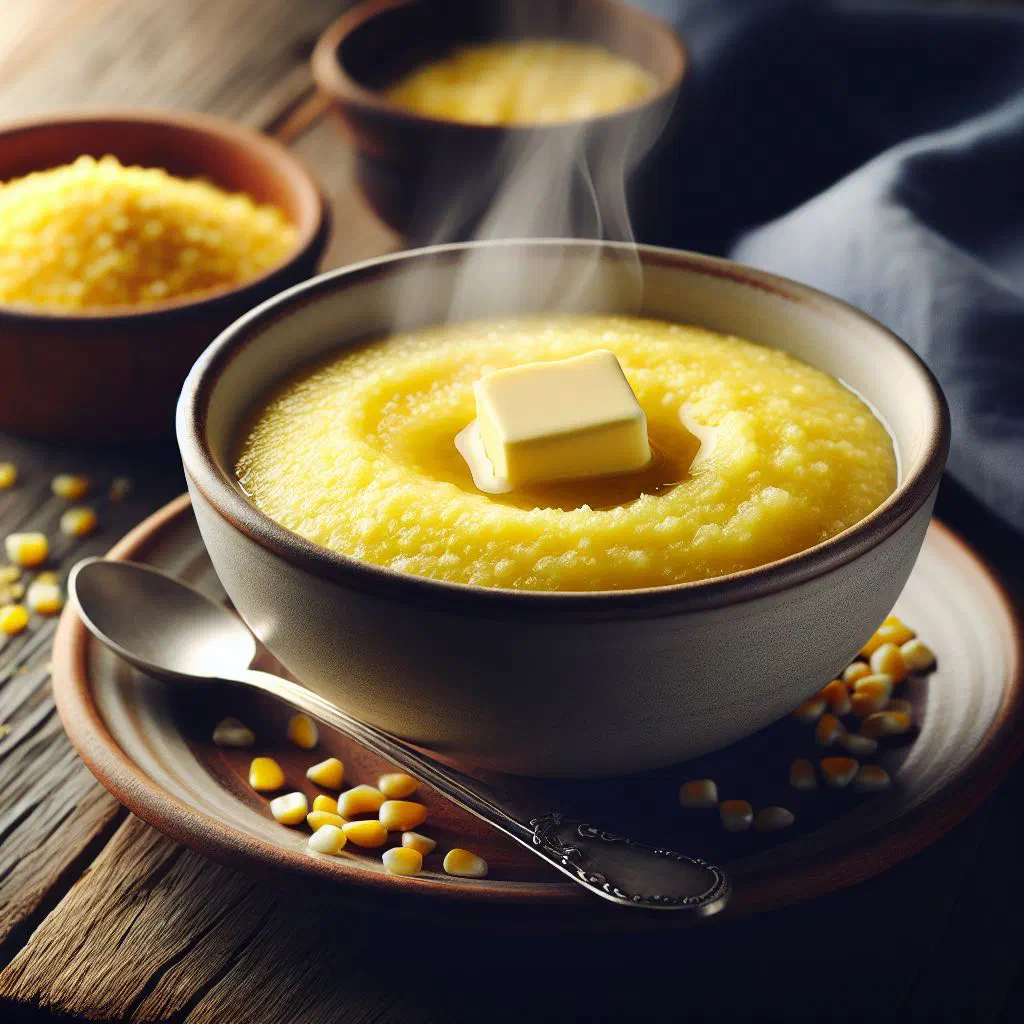
Say hello to Kukurūzų košė, a comforting Lithuanian cornmeal porridge built from the simplest of pantry staples. Silky, warming and gently savoury, it turns humble maize into a bowl of pure comfort. Finished with a little creamy cheese and a scattering of fresh herbs, it slips happily into the role of hearty side or satisfying main. This is honest home cooking at its best, quick to make, endlessly adaptable and rooted in the warm hospitality of the Lithuanian table.
About Kukurūzų košė
Kukurūzų košė is a traditional Lithuanian speciality made chiefly from maize. The dish carries a long history and reflects the rich culinary culture of Lithuania. It is wonderfully straightforward to prepare and calls for only a handful of ingredients, which makes it ideal for any occasion. Kukurūzų košė offers a distinctive flavour that appeals to locals and visitors alike.
Ingredients (serves 1–2)
- 200 g coarse cornmeal
- 500 ml water or vegetable stock
- Salt, to taste
- 100 g creamy cheese (such as quark or feta)
- Fresh herbs (such as dill or parsley)
Shopping for the ingredients
To prepare Kukurūzų košė, look to a local market or your supermarket for fresh ingredients. Take care to choose good-quality cornmeal, as the quality of the maize is decisive for the flavour of the finished dish. Fresh herbs lend the porridge a special note, while a creamy cheese adds extra depth. Enjoy the shopping and discover the variety of Lithuanian cooking along the way.
Preparing the dish
Preparing Kukurūzų košė could hardly be simpler and takes very little time. Start by setting out all your ingredients so the cooking runs smoothly. It helps to chop the herbs while they are fresh and to cut the cheese into small pieces, so that both fold into the porridge more easily later on. These small steps make the whole process more pleasant and let the flavours come through more quickly.
Step-by-step instructions
- Bring the water or vegetable stock to the boil in a saucepan.
- Add the coarse cornmeal slowly, stirring constantly so that no lumps form.
- Cook the mixture over low heat for about 15–20 minutes, until the texture turns creamy.
- Season with salt to taste and stir through the creamy cheese and fresh herbs.
- Serve hot and garnish with a little more herbs to your liking.
Gluten-free / lactose-free version
Kukurūzų košė is naturally gluten-free, since it is made from cornmeal. To make it lactose-free as well, use a lactose-free cheese or swap it for a vegan alternative such as peanut butter or a plant-based cream. If you are using stock, make sure it is lactose-free too. That way, people with particular dietary needs can also enjoy this delicious dish.
Tips for vegans and vegetarians
Kukurūzų košė lends itself beautifully to a vegan approach, as the dish is easy to adapt. Simply replace the cheese with a plant-based alternative, or leave it out altogether. Add aromatic spices and vegetables to deepen the flavour further. These small changes let vegetarians and vegans alike enjoy the variety of Lithuanian cooking while sticking to their dietary preferences.
More tips and tricks
To make Kukurūzų košė even tastier, you can stir in a range of aromatic extras. Toasted nuts or seeds add a welcome crunch and boost the nutritional value of the dish. Try folding in small pieces of pan-fried vegetables for more texture and flavour. Give your creativity free rein and experiment with different variations, much like you might when making a bowl of hearty Grikiu Kose.
Adapting the recipe to your taste
The basic recipe for Kukurūzų košė is easy to tailor to your own liking. Depending on personal taste, you can vary the amount of cheese or herbs. For extra warmth, add a little chilli or pepper. The flexibility of the recipe lets you shape it entirely to your preferences and try out new flavour combinations.
Ingredient substitutions
If you do not have every ingredient to hand, there are several alternatives you can turn to. Instead of coarse cornmeal, you can use polenta, which gives a very similar texture. For the cheese, consider vegan alternatives or even a nut-based cream cheese. These swaps mean you can still enjoy Kukurūzų košė even without certain ingredients, the same easy-going spirit you will find in a comforting bowl of Avizine Kose.
Drink pairing ideas
Kukurūzų košė pairs wonderfully with a range of drinks. A cool beer or a fruity white wine makes a great companion to this hearty dish. For an alcohol-free option, choose sparkling water with a squeeze of lemon or a homemade compote.
Serving and presentation ideas
The way you present Kukurūzų košė can lift the whole meal considerably. Serve the dish in an attractive bowl and garnish generously with fresh herbs. A few decorative touches, such as a balsamic reduction or even a small pinch of paprika, give the dish a visually appealing finish. Be sure to serve it hot, so the aromas show at their best.
A bit of history
Kukurūzų košė has its roots in Lithuanian agriculture, where maize has been a staple food for generations. Lithuania has a rich tradition of using local and seasonal ingredients, and the dish is emblematic of that. Cornmeal porridge was valued as a nourishing meal and as a symbol of the country’s warm hospitality. This historical significance makes Kukurūzų košė an important part of Lithuanian cuisine.
More recipe ideas
Summary: Kukurūzų košė
Kukurūzų košė is more than just a simple dish; it is a culinary experience that captures the flavours and traditions of Lithuania. This delicious recipe adapts easily to different dietary needs and offers plenty of room for variation. Kukurūzų košė is sure to win over both heart and palate. Give it a try yourself and discover the warm, welcoming world of Lithuanian cooking.