National Dish Lithuania: Medaus Pyragas (Recipe)
In this article
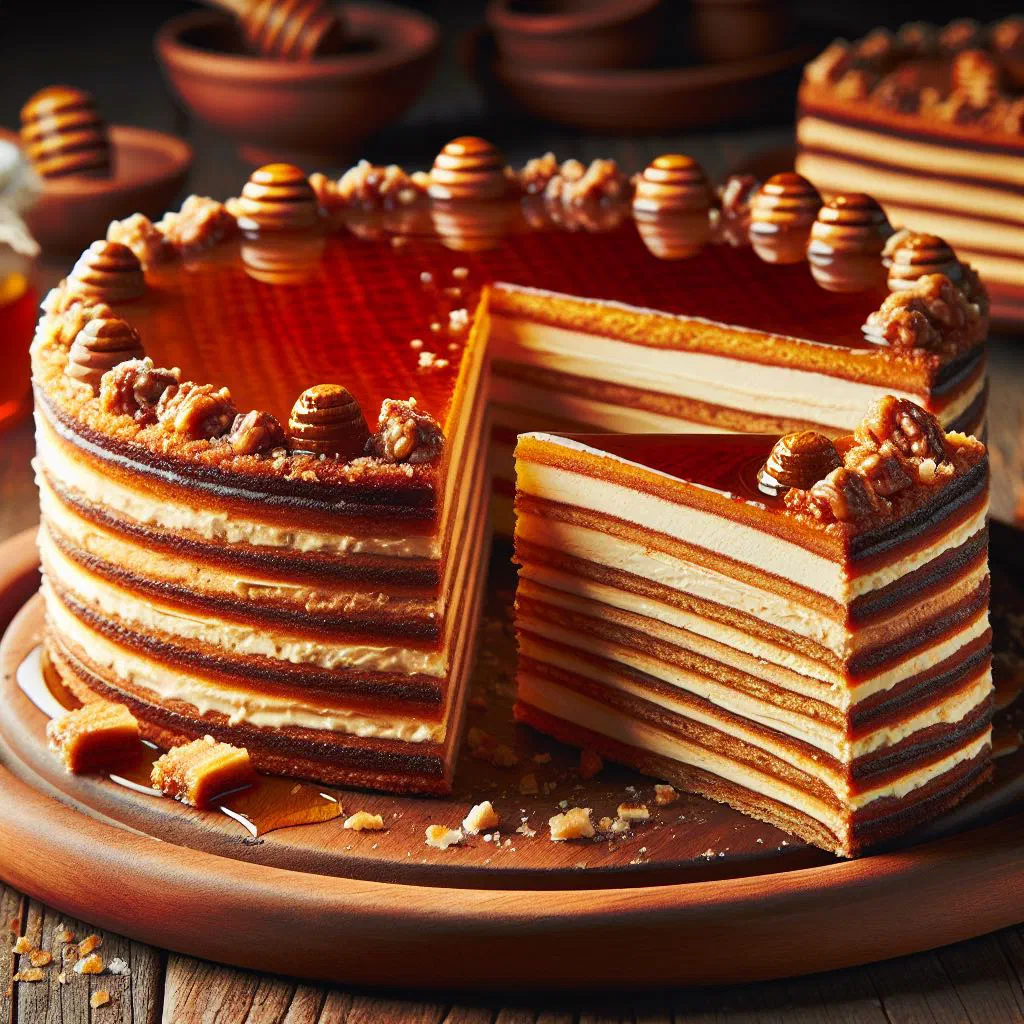
Discover Medaus Pyragas, Lithuania’s gloriously moist honey cake and a proud showpiece of the country’s baking tradition. Made with fresh honey and warmed with a whisper of cinnamon, it has a tender, syrupy crumb and a fragrance that fills the whole kitchen. Whether it graces a festive table or accompanies a lazy afternoon cup of tea, this sweet classic carries the gentle charm of Lithuanian home cooking to your own table.
About Medaus Pyragas
Medaus Pyragas, the wonderful honey cake from Lithuania, is a genuine masterpiece of Lithuanian baking. It is traditionally made with fresh honey, which gives the cake its moist texture and unmistakable flavour. It is often served for special occasions or as a sweet treat alongside a cosy afternoon tea. Thanks to its straightforward preparation and its outstanding taste, medaus pyragas is enormously popular. Like the celebrated Sakotis, it shows just how central honey and careful baking are to Lithuanian sweets.
Ingredients (serves 1–2)
- 200 g honey
- 150 g sugar
- 250 g plain flour
- 3 eggs
- 1 tsp baking powder
- 1 tsp cinnamon
- 100 ml milk
- A pinch of salt
Shopping for the ingredients
If you decide to make medaus pyragas, it is worth seeking out the highest-quality ingredients. The honey in particular plays a central role in the flavour of the cake. At local markets or health-food shops you will often find freshly harvested honey that lends your cake a special character. Beyond that, fresh eggs and good-quality flour will give you the best possible result.
Preparing the dish
Before you start baking, it is important to gather all your ingredients carefully. Check your supplies and lay everything out to make the baking process easier. Make sure all the ingredients are at room temperature so they blend evenly. You can also prepare your tin in advance by greasing it with a little butter or lining it with baking paper.
Step-by-step instructions
- Preheat the oven to 180 degrees Celsius.
- In a bowl, mix the honey, sugar and eggs together thoroughly.
- Add the milk and stir everything vigorously.
- In a separate bowl, combine the flour, baking powder, cinnamon and salt.
- Add the dry ingredients to the honey mixture a little at a time and stir to a smooth batter.
- Pour the batter into the prepared tin.
- Bake the cake for about 30–40 minutes, until golden brown.
- Let the cake cool before serving.
Gluten-free / lactose-free version
For anyone who needs to avoid gluten or lactose, there are ways to enjoy medaus pyragas too. You can use gluten-free flour, which has the same consistency as ordinary flour. For a lactose-free version, simply use plant-based milk or dairy-free alternatives. These adjustments have no significant effect on the taste of the cake, so you can still enjoy it to the full.
Tips for vegans and vegetarians
Vegan versions of medaus pyragas are also possible. Replace the eggs with apple purée or vegetable oil to provide the binding. In place of honey you can use maple syrup or other plant-based sweeteners. These changes cater for dietary restrictions and let you enjoy this delicious cake across a range of lifestyles.
More tips and tricks
To get the very best from your medaus pyragas, it is a good idea to let the cake rest for a few hours or overnight before serving. This allows the flavours to develop fully. If you would like to boost the sweetness, you can drizzle a glaze of honey and water over the cooled cake. Experiment with spices such as nutmeg or cloves to give your cake a personal touch.
Adapting the recipe to your taste
There are many ways to adapt the medaus pyragas recipe to your own preferences. For example, you can fold nuts, dried fruit or chocolate chips into the batter to create extra textures and flavours. You can also adjust the sweetness by using less sugar or honey if you prefer it less sweet. Try different variations to find your perfect cake.
Ingredient substitutions
If you do not have every ingredient to hand, there are a few alternatives you can use. Instead of sugar you can use coconut sugar, which adds a lightly caramel note. You can also combine different types of flour to achieve the flavour and texture you want, much as you might when baking Aguonu Pyragas. Take care that the consistency of the batter is not affected if you decide to use alternatives.
Drink pairing ideas
Medaus pyragas pairs beautifully with a cup of freshly brewed black tea or a herbal tea. For a more festive touch you could also serve a hot mulled wine or a fruity punch. On warmer days, try it with a chilled coffee drink for a more balanced treat. A traditional Lithuanian tipple such as Krupnikas, a honey-spiced liqueur, makes a natural partner too. The choice of drink can enrich the whole culinary experience.
Serving and presentation ideas
To present medaus pyragas attractively, you can dust the cake with icing sugar or decorate it with fresh berries. A pretty cake stand or a rustic wooden board can help to enhance its look. A few mint leaves as a garnish add an extra touch of freshness. Remember that presentation plays an important part in heightening the enjoyment of the cake.
A bit of history
Medaus pyragas has a history in Lithuanian culture and is a symbol of hospitality and tradition. In the past, the cake was often prepared for feasts, weddings and other special occasions. The use of honey reflects the importance of beekeeping in Lithuania, considered one of the country’s oldest crafts. This dish embodies the sweetness of life and a closeness to nature through the excellent quality of its ingredients, a value that runs right through Lithuanian cuisine.
More recipe ideas
Summary: Medaus Pyragas
Medaus pyragas is an indispensable part of Lithuanian cooking, pleasing with its delicious combination of honey and spice. Whether with a few personal tweaks or in its traditional form, this honey cake is always a joy. Its straightforward preparation and wonderful flavour make it the ideal dessert for any occasion. Let Lithuanian culture inspire you and treat yourself to a slice of medaus pyragas.