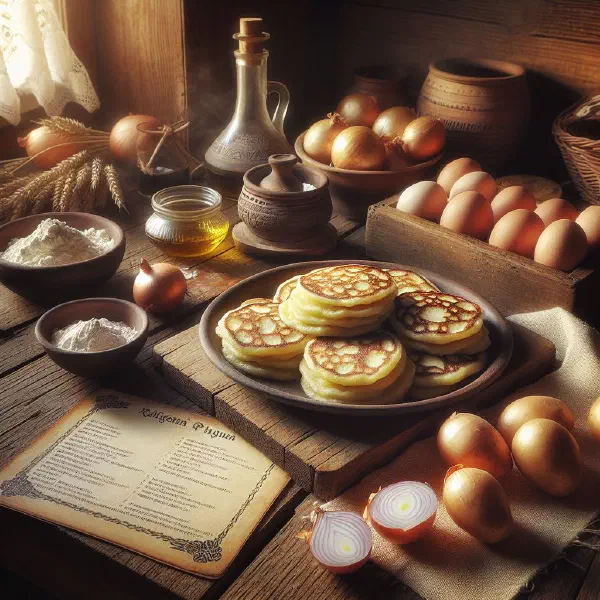
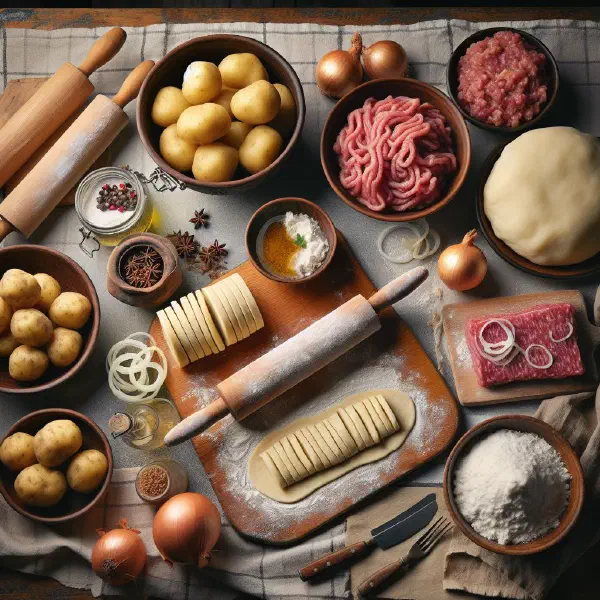
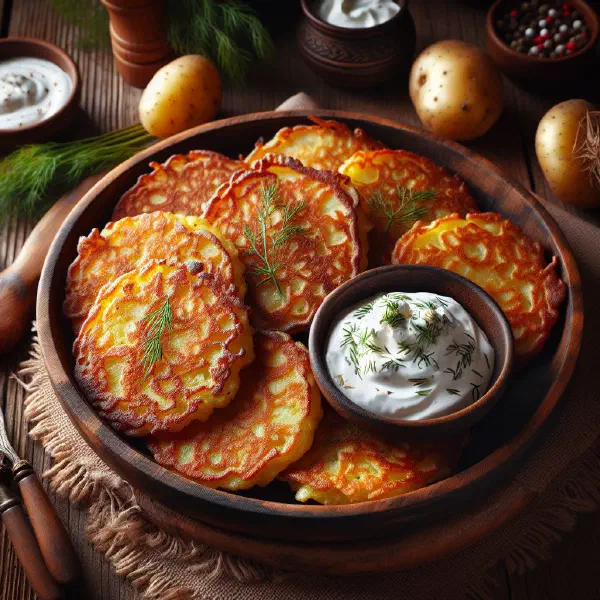
National Dish Lithuania: Pirogai (Recipe)
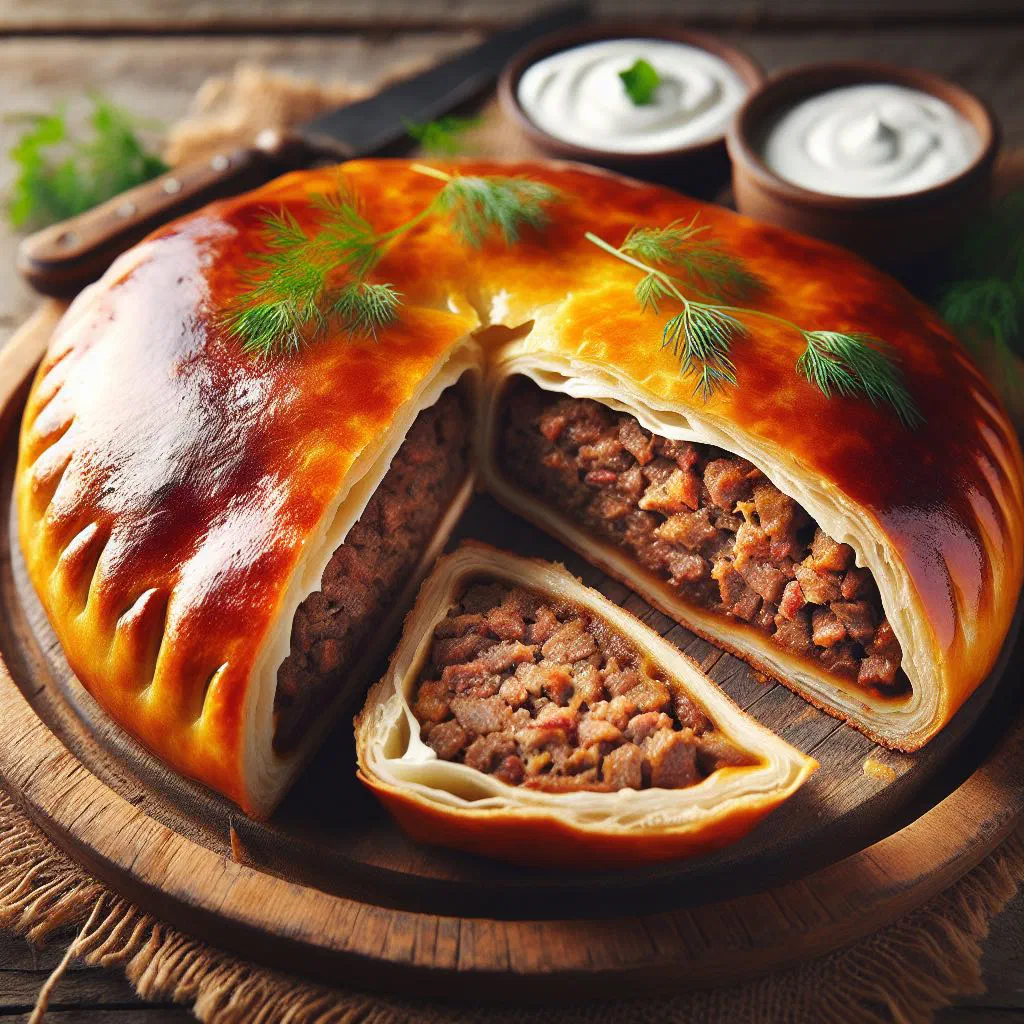
In this article
Discover Pirogai, one of the great comfort foods of Lithuania. These traditional filled dumplings wrap a tender dough around a savoury or sweet filling, bringing together the best of both worlds in a single bite. Long a fixture at celebrations and family gatherings, they are a true taste of the country’s rich culinary heritage. In this article we show you how to make these delicious little parcels easily at home.
About Pirogai
Lithuanian pirogai are a traditional dish that is much loved in the country’s kitchen. They consist of a doughy casing filled with a variety of ingredients, and are often a combination of savoury and sweet. These pirogai are happily served at celebrations and special occasions, and offer a genuine flavour experience. Endlessly adaptable, they sit comfortably alongside other Baltic classics as a wholesome, satisfying meal for any table.
Ingredients (serves 1–2)
- 250 g flour
- 100 ml water
- 1 egg
- 1 tsp salt
- 2 tbsp oil
- 250 g potatoes (boiled and mashed)
- 1 onion (chopped and fried until golden)
- Salt and pepper to taste
Shopping for the ingredients
To buy the ingredients for Lithuanian pirogai, well-stocked supermarkets or specialist Eastern European food shops are your best bet. Be sure to choose fresh produce, especially the vegetables and the onion. For the flour you can use ordinary plain wheat flour, while for a more health-conscious version wholemeal flour is also worth considering. Keep an eye on local markets too, as they often offer fresh vegetables and potatoes.
Preparing the dish
Preparing Lithuanian pirogai does take a little time, but it is well worth the effort. Begin by boiling the potatoes, which are then worked into a smooth mash. The onion should be fried until golden to bring out its rich flavour. You can also try different fillings depending on your taste and what you have to hand, sauerkraut or mushrooms, for example, both work beautifully.
Step-by-step instructions
- In a bowl, combine the flour, water, egg, salt and oil, and knead into a smooth dough.
- Wrap the dough in cling film and leave to rest for about 30 minutes.
- Fry the onion in a pan until golden and mix it into the mashed potato. Season with salt and pepper.
- Roll the dough out thinly on a floured surface and cut out circles using a glass.
- Place a small amount of the filling on each circle and seal the edges well.
- Cook the pirogai in boiling water for about 8–10 minutes, until they rise to the surface.
- Drizzle with butter and serve warm.
Gluten-free / lactose-free version
For a gluten-free version of Lithuanian pirogai, you can use a gluten-free flour such as rice flour or a gluten-free flour blend. It is important to keep an eye on the consistency of the dough, as gluten-free flours often have a different texture. For a lactose-free version, simply use lactose-free oil or margarine. Alternatively, you can adapt the filling and use coconut oil in place of butter.
Tips for vegans and vegetarians
For vegans, the recipe can be adapted by replacing the egg with a little plant-based milk or another egg substitute. The mashed potato makes an excellent filling, but you can also use other vegetables such as spinach or carrots. Take care to ensure the oils and fats you use are vegan too. These simple tweaks make the pirogai enjoyable not only for vegetarians but for vegans as well.
More tips and tricks
To make the pirogai even tastier, you can add spices or stock while boiling the potatoes. Experiment with different fillings such as mushrooms, cheese or even fruit for a sweet variation. Be sure to press the edges of the dumplings together firmly before filling, so the filling does not escape during cooking. It also helps to brush the pirogai with a little butter or olive oil before serving, to add extra sheen and flavour.
Adapting the recipe to your taste
This recipe for Lithuanian pirogai lends itself well to personal preference. Vary the filling to suit your taste and your kitchen. Add cheese, herbs or nuts, for example. The possibilities are almost endless, which makes it easy to shape the pirogai exactly to your own liking, much as you might with hearty Koldunai or Virtiniai Su Mesa.
Ingredient substitutions
If certain ingredients are not available to you, there are plenty of alternatives. Instead of potatoes you can use sweet potatoes or cauliflower for a different flavour. With the flour, too, you can try buckwheat flour for a hearty, savoury variation. These options give the pirogai a fresh, interesting note and broaden your choice of ingredients.
Drink pairing ideas
Both alcoholic and non-alcoholic drinks pair superbly with Lithuanian pirogai. A fresh, cold beer harmonises well with the savoury fillings, while a fruity red wine adds a touch of subtle elegance. For an alcohol-free option, a homemade fruit juice or an aromatic sparkling water is ideal, underlining the flavours of the pirogai. These pairings turn your meal into a thoroughly rounded experience.
Serving and presentation ideas
The presentation of Lithuanian pirogai plays an important part in making the dish even more appealing. Serve the pirogai on a large plate and garnish with fresh herbs such as parsley or dill. A small dip of soured cream or yoghurt rounds off the dish and invites you to tuck in. With creative tableware and an attractive table setting you can lift the whole dining experience.
A bit of history
Lithuanian pirogai have a long history and are a firm part of the country’s food culture. Originally created as simple peasant fare, they quickly became popular at festive occasions. Their versatility has meant they are valued not only in Lithuania but across other Eastern European countries too. Today pirogai are traditionally served during holidays and family celebrations, underlining their cultural importance within Lithuanian cuisine.
More recipe ideas
Summary: Pirogai
In summary, Lithuanian pirogai are a delicious and versatile dish that is easy to make at home. By simply adapting the ingredients and fillings, you can shape these dumplings to your own taste. Whether as part of a celebration or simply for the pleasure of it, pirogai are always a good choice. Let this recipe inspire you and discover the culinary traditions of Lithuania.