National Dish Luxembourg: Huesenziwwi (Recipe)
In this article
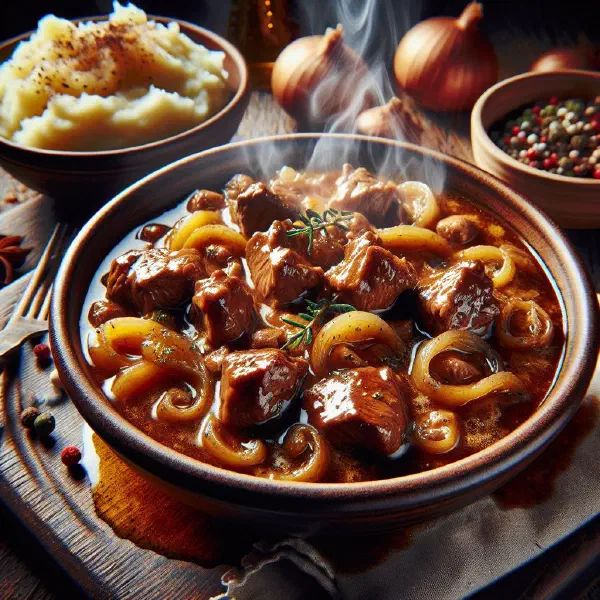
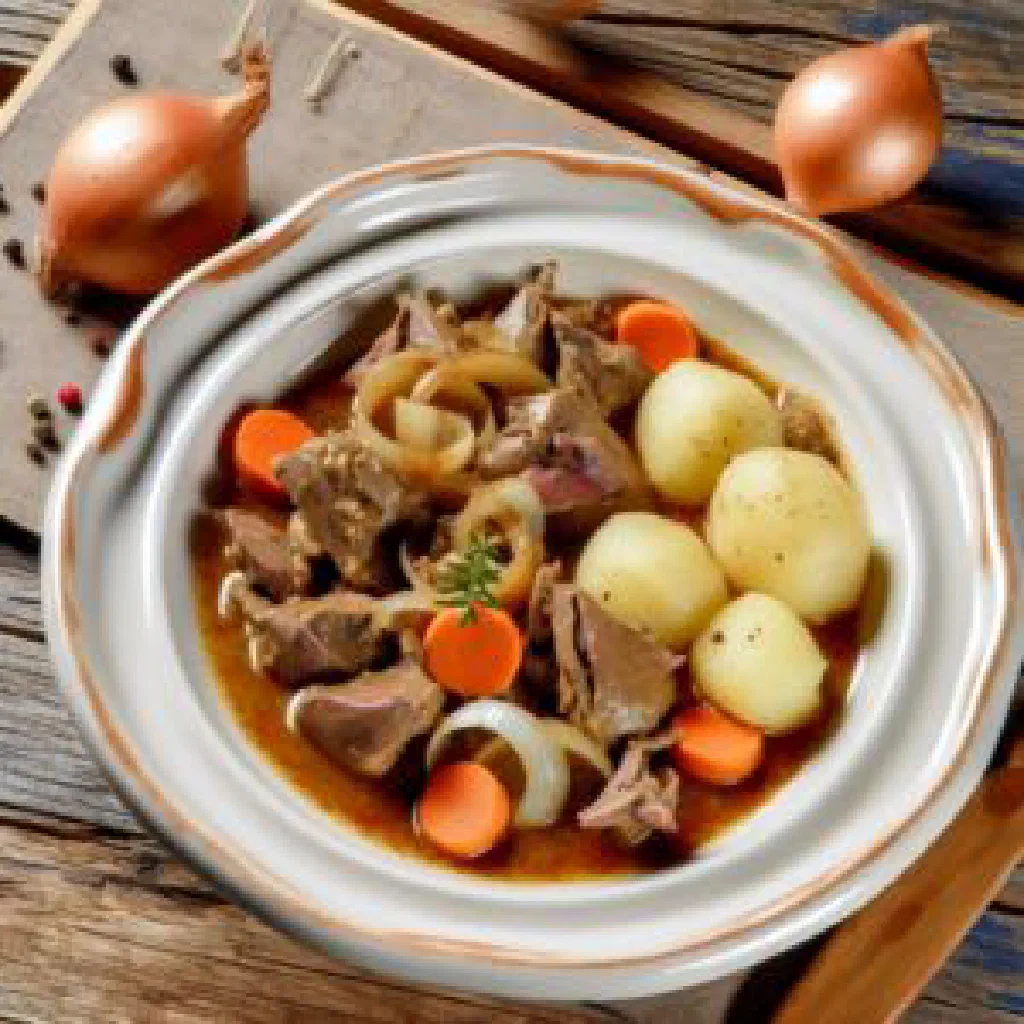
Meet Huesenziwwi, the rustic rabbit stew that Luxembourg has claimed as its own. Tender pieces of meat are browned in olive oil and then left to bubble away gently with onions, garlic, carrots and thyme until everything falls apart at the touch of a fork. It is unhurried, deeply savoury cooking of the kind that suits grey autumn afternoons and long winter evenings, and it fills the whole house with the smell of something worth waiting for.
About Huesenziwwi
Huesenziwwi is the traditional national dish of Luxembourg and offers a genuinely distinctive culinary experience. It is built around braised rabbit, which turns exceptionally tender over the long, slow cooking time. A careful combination of herbs and spices gives the dish its characteristic flavour, one that wins over locals and visitors alike. This speciality reflects the rich food culture of a small but confident country, and it is especially popular during the cooler months.
Note: If you want to cook the original recipe as authentically as possible, use rabbit — versions made with chicken or plant-based alternatives taste noticeably different from the traditional dish and are best regarded as modern interpretations.
Ingredients (serves 1–2)
- 500 g rabbit meat
- 2 onions
- 2 cloves of garlic
- 2 carrots
- 1 bunch of fresh parsley
- 500 ml stock (vegetable or chicken)
- 2 tablespoons olive oil
- 1 teaspoon thyme
- Salt and pepper, to taste
Shopping for the ingredients
If you decide to make Huesenziwwi, it matters that you choose the right ingredients and buy them in good quality. Visit your local market or a specialist butcher to find fresh rabbit. Fresh herbs and vegetables are just as crucial to the full flavour of the dish. Wherever possible, look for regional produce. It supports the particular character of Luxembourg’s food scene and gives you the freshest taste.
Preparing the dish
Preparation is a decisive step in getting the best out of Huesenziwwi. Begin by cutting the meat into suitable pieces and finely chopping the onions and garlic. Slice the carrots so that they cook through evenly. Warm the stock in a separate pan too, so it is ready to go the moment the rabbit needs it.
Step-by-step instructions
- Heat the olive oil in a large pan and gently sauté the onions and garlic.
- Add the rabbit pieces and brown them until golden.
- Add the carrots and the stock, then bring everything to the boil.
- Season with salt, pepper and thyme, then reduce the heat.
- Cover the pan and let the dish simmer gently for around 1.5 to 2 hours, until the meat is tender.
- Finish with freshly chopped parsley just before serving.
Gluten-free / lactose-free version
Happily, Huesenziwwi is naturally gluten-free and lactose-free, which makes it an ideal choice for anyone with those intolerances. It is still worth checking that every ingredient you use, the stock above all, is certified gluten-free. Look for clear labelling or organic options to be sure no hidden allergens have slipped in. Then you can enjoy the dish without a second thought.
Tips for vegans and vegetarians
Huesenziwwi can be adapted creatively for vegan and vegetarian cooks. Instead of rabbit, try aubergine, tofu or seitan to recreate a similar texture. To keep the savoury depth, swap the stock for a good vegetable stock. Adding mushrooms or other vegetables brings an extra layer of umami, much as it does in a hearty Bouneschlupp.
Note: These versions are inspired by the original rather than a full replacement — classic Huesenziwwi is traditionally based on rabbit.
More tips and tricks
When making Huesenziwwi, keep the cooking time slow so the aromas can develop properly. Use a heavy casserole dish if you have one, since it spreads the heat evenly. You can also prepare the dish a day ahead; the flavours deepen overnight in the fridge. Reheating is simple, which makes it a fine choice for a relaxed dinner with friends.
Adapting the recipe to your taste
Huesenziwwi lends itself easily to personal preference. Vary the herbs or add extra spices to create a flavour profile entirely your own. Experiment with rosemary or oregano to shift the dish in a new direction. You can vary the sides too, potatoes are the classic option, and crisp Gromperekichelcher or a selection of seasonal vegetables both work beautifully.
Ingredient substitutions
Sometimes you simply will not have everything to hand. In that case, chicken can stand in for rabbit. For the stock, use a homemade version or a good organic one from the supermarket. Dried herbs are a reasonable substitute for fresh ones if none are available. Adjustments like these still let you produce a thoroughly tasty dish.
Please note: If you want the typical flavour of traditional Huesenziwwi, stick with the original rabbit where you can — chicken gives a milder but less characteristic result, closer in spirit to a Haemmelsragout.
Drink pairing ideas
A full-bodied red wine suits Huesenziwwi well and underlines the savoury notes of the stew. A fruity Pinot Noir or an elegant Merlot both make excellent companions. For an alcohol-free option, homemade grape juice is a refreshing choice. A robust herbal tea also harmonises nicely and makes for an interesting combination alongside the food.
Serving and presentation ideas
An appetising presentation lifts the whole Huesenziwwi experience. Serve the stew in attractive deep bowls and garnish it with fresh herbs. A little red pepper or extra carrot adds a welcome splash of colour. Pair the dish with a neatly arranged salad or a side of steamed vegetables for a plate that looks as good as it tastes.
A bit of history
Huesenziwwi has a long tradition in Luxembourgish cooking and is strongly shaped by rural life. Rabbit was valued as an affordable, reliable source of protein for many families. The dish stands for culinary craft and for family ties, since it was often made for special occasions and festive meals, much like a Judd mat Gaardebounen. Cooking Huesenziwwi brings a genuine piece of Luxembourgish cuisine to the table.
More recipe ideas
Summary: Huesenziwwi
Huesenziwwi is a delicious and thoroughly traditional dish that shows off the flavours of Luxembourg in all their variety. Fresh rabbit, good herbs and well-judged seasoning come together in something that suits festive occasions perfectly. The method is straightforward, and the many possible adjustments make it workable for a range of diets. Give this much-loved classic a try and discover the culinary passion of Luxembourg for yourself.