National Dish Luxembourg: Kniddelen (Recipe)
In this article
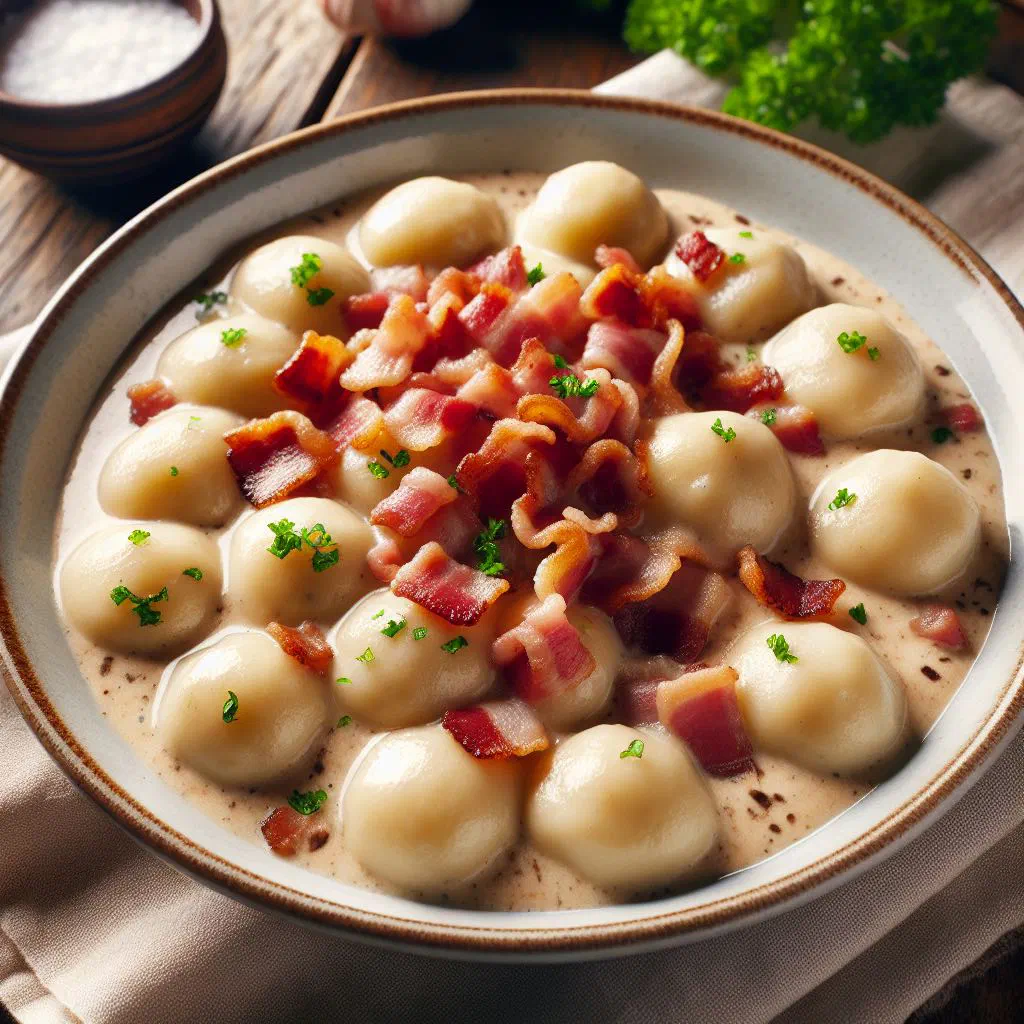
Discover Kniddelen, the hearty potato dumplings that sit at the very heart of Luxembourg’s home cooking. Made from little more than potatoes, flour and a pinch of salt, these tender little dumplings prove that the simplest ingredients often make the most comforting food. Serve them as a generous main course or as a side to a rich meat dish, and you bring a genuine taste of the Grand Duchy to your table.
About Kniddelen
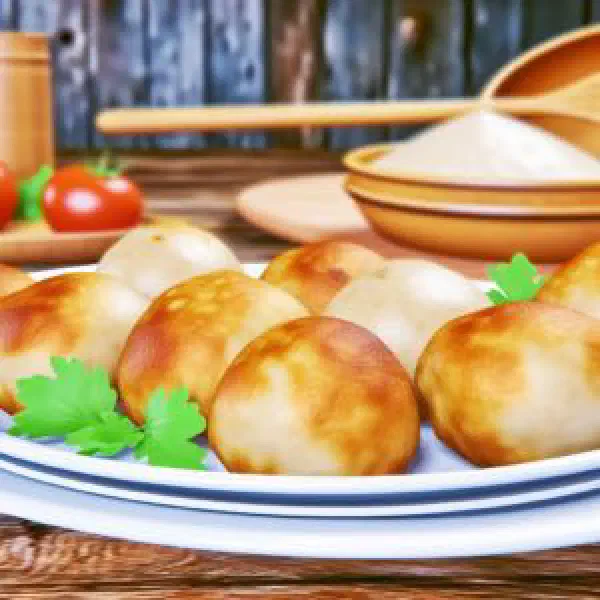
Kniddelen are a traditional dish from Luxembourg built on a simple but satisfying combination of potatoes and flour. These tender potato dumplings are not only delicious but remarkably versatile. They can be served as a main course or as a side dish, and they pair beautifully with all manner of sauces and meat dishes. Kniddelen are a genuine highlight at any feast and bring the authentic flavour of Luxembourgish cooking straight to the table.
Ingredients (serves 1–2)
- 500 g floury potatoes
- 100 g plain white flour
- 1 egg
- 1 teaspoon salt
- Water, as needed
- Oil or butter, for frying
Shopping for the ingredients
The ingredients for kniddelen are easy to find in almost any supermarket. Do make sure you choose floury potatoes, as they give exactly the right consistency for the dumplings. Anyone with particular dietary needs can simply reach for alternatives such as gluten-free flour. A quick glance at the ingredient list while you shop will help you gather everything you need in one trip.
Preparing the dish
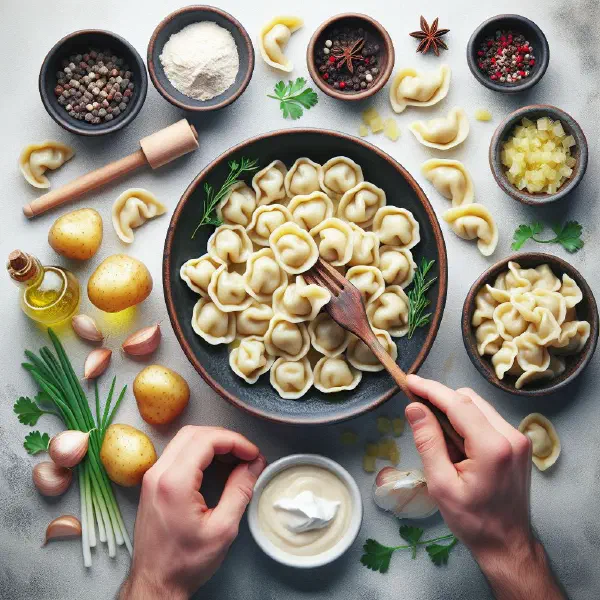
Before you start making the kniddelen, lay out all your ingredients and peel the potatoes thoroughly. It is important to cut them into evenly sized pieces so that they cook at the same rate. The prepared potatoes can then be boiled and mashed into a smooth mixture. Let that mixture cool properly before adding the remaining ingredients. This is the key to a good result.
Step-by-step instructions
- Boil the potatoes in a large pan of salted water until soft, then leave them to cool.
- Mash the cooled potatoes in a bowl and add the flour, the egg and the salt.
- Knead the mixture into a smooth dough that no longer sticks to your hands.
- Shape small dumplings from the dough and bring a pan of salted water to the boil.
- Lower the dumplings carefully into the boiling water and cook for around 10 minutes, until they rise to the surface.
- Lift them out with a slotted spoon and let them drain briefly.
- Serve the kniddelen with the sauce of your choice, or as a side to a meat dish.
Gluten-free / lactose-free version
To make kniddelen gluten-free, simply use gluten-free flour in place of the white flour. This has very little effect on the flavour but makes the dish suitable for anyone with a gluten intolerance. If you are cooking lactose-free, use plant-based alternatives to butter or milk. Do check that any accompanying sauces are lactose-free too, so the whole plate works for your guests.
Tips for vegans and vegetarians
Vegan kniddelen are easy to achieve: replace the egg with a mixture of water and ground linseed or chia seeds. Choose a plant-based butter or oil for frying the dumplings as well. When picking a sauce, make sure it is entirely plant-based so the dish stays suitable for vegans. These small adjustments guarantee a flavourful meal that everyone can share, much like a good bowl of Bouneschlupp.
More tips and tricks
To get the perfect texture in your kniddelen, it is essential to drain the potatoes well. Too much moisture will make the dough sticky and difficult to handle. A useful trick is to spread the mashed potato on a clean tea towel and press out the excess liquid. This gives you a firm, pliable dough that shapes easily and holds together beautifully in the pan.
Adapting the recipe to your taste
Kniddelen can be varied endlessly to suit different palates. Work fresh herbs such as parsley or chives into the dough for an extra layer of flavour. Experimenting with different sauces, a robust meat gravy one day, a creamy vegetarian version the next, keeps the dish interesting. Some cooks even fry the boiled dumplings in bacon fat, in the spirit of Speckkloess, for a crisp golden finish.
Ingredient substitutions
If you have no floury potatoes to hand, other varieties will work, although the consistency of the kniddelen will change slightly. White flour can be swapped for buckwheat or chickpea flour for a rather different but equally tasty result. Experimenting with the ingredients can lead to surprisingly delicious outcomes, and adding grated vegetables to the dough is another easy way to give the dish a creative twist.
Drink pairing ideas
A hearty dish like kniddelen goes wonderfully with a range of drinks. A fresh local beer is a great match for the potato dumplings, while a fruity white wine, Luxembourg’s Moselle valley is famous for them, supports the flavours nicely. For an alcohol-free option, serve sparkling water with lemon, or a fruit compote alongside for a pleasing sweet-savoury contrast.
Serving and presentation ideas
Thoughtful presentation can turn kniddelen into a real occasion. Serve the dumplings on a large platter and garnish them with fresh herbs or a drizzle of oil for visual appeal. Attractive bowls holding a choice of sauces add an inviting touch to the table. Use colourful side dishes to set the plate off, and let the warm, rustic character of Luxembourgish cuisine speak for itself.
A bit of history
Kniddelen have a long tradition in Luxembourg and reflect the robust, unfussy character of the region’s cooking. They were originally made from the humble ingredients readily available on country farms. The dish means more than mere sustenance: it has long been served at celebrations and family gatherings, much as Judd mat Gaardebounen still is today. The recipe has shifted a little over the centuries, but its original charm and depth of flavour remain entirely intact.
More recipe ideas
Summary: Kniddelen
Kniddelen are more than a treat for the palate; they bring a piece of Luxembourg to your table. With straightforward ingredients and an uncomplicated method, they are the perfect choice for a family dinner or a festive spread. This dish has a timeless appeal that never fails to please. And do not forget to bring your own preferences and creativity into the kitchen, shaping the recipe exactly to your taste.