National Dish Luxembourg: Lamb in a Salt Crust (Recipe)
In this article
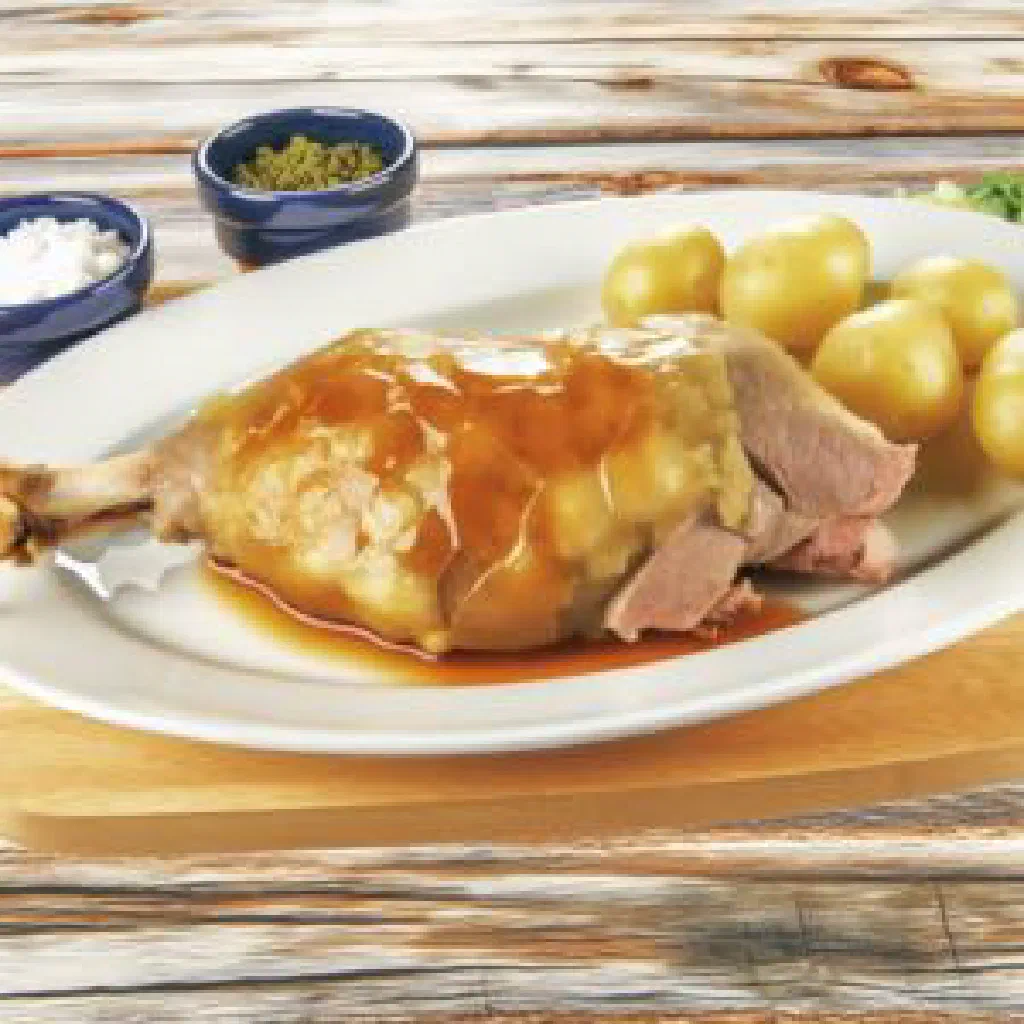
Few dishes say special occasion quite like Lamb in a Salt Crust, a Luxembourgish classic in which a tender fillet is sealed inside a thick jacket of coarse sea salt and roasted until meltingly juicy. Cracking open the crust at the table is half the pleasure; the other half is the deep, herb-scented flavour underneath. It looks impressive, yet the method is far simpler than it appears, which makes it the perfect centrepiece for a dinner party.
About Lamb in a Salt Crust
Luxembourg has a rich culinary tradition shaped by regional produce and centuries of neighbouring influences. One of the country’s most celebrated dishes is Lamb in a Salt Crust, which appeals to locals and visitors alike. What sets this delicate dish apart is the way the tender lamb fillet is cooked inside a crisp shell of salt that concentrates and lifts its full, rounded flavour. It is ideal for festive occasions and gives any dinner party a touch of ceremony.
Ingredients (serves 1–2)
- 400 g lamb fillet
- 1 kg coarse sea salt
- 2 egg whites
- Fresh herbs (rosemary, thyme)
- Pepper and olive oil
Shopping for the ingredients
To get the best possible result, it is worth using high-quality ingredients. Buy the lamb from a proper butcher if you can, where you will also get advice on the cut. The coarse sea salt should be fresh, since the quality of the salt largely determines how well the crust sets. Fresh herbs from your own garden or from a weekly market bring an intense aroma and give the dish real character.
Preparing the dish
Before you start on the salt crust, take time to get the meat to its most tender. Let the lamb fillet rest at room temperature for about an hour so it cooks through evenly. It is also a good idea to chop the herbs roughly and stir them into a marinade of olive oil, pepper and a little extra thyme. Leave the meat in this mixture to soak up the flavours, in much the same unhurried way you would build up a slow-cooked Haemmelsragout.
Step-by-step instructions
- Preheat the oven to 200°C.
- Whisk the egg whites until stiff, then fold in the coarse sea salt.
- Line a baking tray with baking parchment and spread half the salt mixture evenly over it.
- Lay the marinated lamb fillet on the salt and cover it completely with the remaining mixture.
- Roast for around 25–30 minutes.
- Carefully crack away the salt casing and let the meat rest.
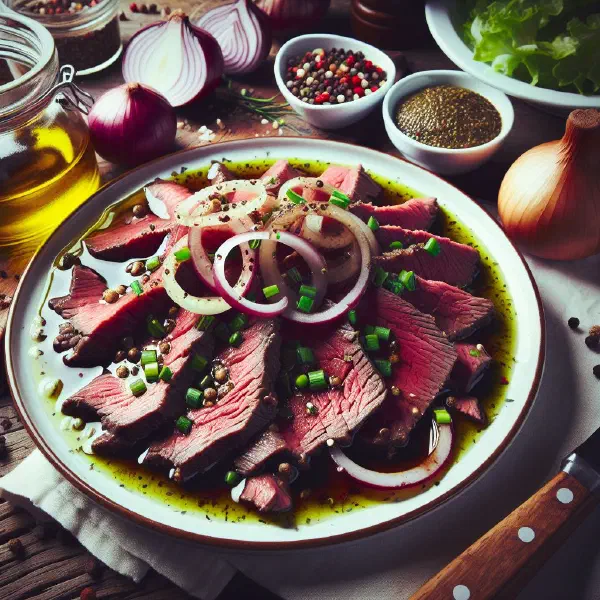
- Slice the lamb and arrange it on warmed plates.
Gluten-free / lactose-free version
An important note for anyone who needs gluten-free or lactose-free food: the ingredients used in this recipe are naturally free of both. The only thing to watch is that the sea salt and the other components contain no additives that might introduce gluten or lactose.
Tips for vegans and vegetarians
Vegans and vegetarians can adapt the recipe with very little effort. Instead of lamb, use a vegetable roast or a firm block of tofu, cooked in exactly the same salt crust. Adjust the timing accordingly, since vegetables usually need less time in the oven than meat. Adding extra herbs and spices helps build depth of flavour, so non-meat-eaters can enjoy this inventive salt-crust technique just as much.
More tips and tricks
For the very best result, sear the lamb fillet briefly in a hot pan before it goes into the salt so a savoury crust forms on the outside. The salt shell does more than add aroma. It keeps the meat wonderfully juicy. Use fresh herbs to intensify the flavour and experiment with different spices to fine-tune the dish to your liking. A handsome presentation adds to the anticipation, too.
Adapting the recipe to your taste
Lamb in a salt crust is an extremely versatile dish that adapts easily to different palates. You can use other cuts of lamb, or even beef, for a different character. For extra punch, try garlic or chilli in the marinade. It is also worth thinking about which seasonal vegetables you might roast alongside, so the meal becomes your own signature version.
Ingredient substitutions
If certain ingredients are hard to find, there are plenty of alternatives. The lamb fillet can be swapped for chicken or a plant-based cut. Himalayan salt works in place of coarse sea salt, and the herbs can be varied by season or preference for a slightly different result each time. Serve it with something starchy and traditional, such as a bowl of Gromperesalat, and the meal comes together beautifully.
Drink pairing ideas
A hearty dish like this calls for wines with body and character. A red Bordeaux or a robust Syrah stands up well to the flavour of the lamb. If you prefer something alcohol-free, an aromatic grape juice or a local mineral water complements rather than masks the aromas. The right drink can lift the whole evening.
Serving and presentation ideas
Thoughtful presentation raises the entire experience. Serve the dish in individual portions on warmed plates and garnish with fresh herbs and a drizzle of olive oil. A few grilled vegetables or a crisp salad give it the finishing touch, and a small bowl of Bouneschlupp beforehand makes for a properly Luxembourgish menu. That way the eye is treated as well as the palate.
A bit of history
Lamb in a Salt Crust has its roots in traditional Luxembourgish cuisine, which is closely tied to local farming practice. Sheep have long been reared in the region, and using salt both to preserve and to cook is one of the oldest techniques there is. The dish has evolved over time and is now a firm favourite at festive gatherings, symbolising the country’s rich heritage and its unashamed pleasure in good food.
More recipe ideas
Summary: Lamb in a Salt Crust
Lamb in a salt crust is a genuine treat and a highlight of Luxembourgish cooking. Thanks to the clever salt-shell method the meat stays tender and juicy, while the fresh herbs add layers of aroma. Whether for a festive occasion or a special dinner at home, this recipe will impress your guests. Let the traditions of Luxembourg inspire you and enjoy a piece of history on your plate.