National Dish Luxembourg: Pättercheschtopp (Recipe)
In this article
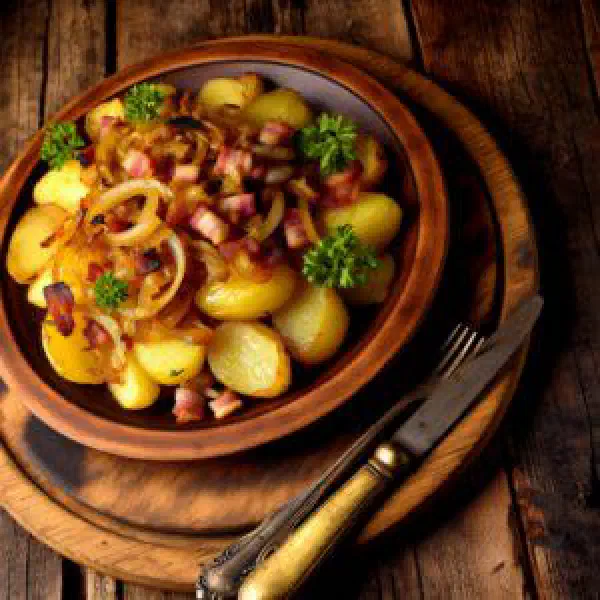
Meet Pättercheschtopp, a homely potato dish that has been feeding families in Luxembourg for generations. Crisp at the edges, soft in the middle and seasoned with little more than salt, pepper and sweet fried onion, it proves that the best country cooking rarely needs a long shopping list. Serve it as a side or let it take centre stage, either way, it brings a genuine taste of the Grand Duchy to your table.
About Pättercheschtopp
Pättercheschtopp is a traditional dish from Luxembourg, known above all for its straightforward preparation and its hearty, satisfying flavour. At its heart is a simple potato preparation that works equally well as a side dish or as a main course. With its crisp texture and its gentle blend of seasonings, it wins over even the most demanding palates. Let the aromas of Luxembourgish cooking work their magic and enjoy a little piece of home on your plate.
Ingredients (serves 1–2)
- 500 g potatoes
- 1 onion
- 2 tablespoons oil
- Salt and pepper, to taste
- Fresh parsley, to garnish
Shopping for the ingredients
Making Pättercheschtopp calls for only a handful of ingredients, but each one matters. When buying the potatoes, choose a variety that fries well, waxy potatoes hold their shape beautifully in the pan. The onion should be fresh and fragrant so it can lend the dish its underlying sweetness. Fresh parsley for garnishing does more than provide a pretty splash of colour; it also adds a bright, herbal note that lifts the whole plate.
Preparing the dish
Getting everything ready for Pättercheschtopp is quick and uncomplicated. Begin by peeling the potatoes thoroughly and cutting them into small cubes, keeping them roughly the same size so they cook evenly. The onion can be finely diced as well, which helps its flavour spread right through the pan. As with the potato cakes known as Gromperekichelcher, good preparation is the real key to success.
Step-by-step instructions
- Heat the oil in a large frying pan over medium heat.
- Add the diced onion and fry gently until translucent.
- Tip in the diced potatoes and stir everything together well.
- Season with salt and pepper and fry the potatoes until golden brown and crisp.
- Serve piping hot, garnished with fresh parsley.
Gluten-free / lactose-free version
Pättercheschtopp is naturally gluten-free and lactose-free, provided you choose your ingredients carefully. Simply use fresh potatoes and steer clear of ready-made products, which may contain hidden gluten or milk solids. To be completely safe, check the labels on any seasonings or oils you use.
Tips for vegans and vegetarians
This flavourful dish is a great option for vegans and vegetarians alike, as it contains no animal products at all. To make it even more interesting, add other vegetables such as peppers or courgette. They bring extra colour to the plate along with additional nutrients. Feel free to vary the recipe until it matches your taste exactly.
More tips and tricks
A few small habits make all the difference to the perfect Pättercheschtopp. Cut the potatoes into evenly sized cubes so they cook at the same rate, and turn them regularly in the pan to stop them catching and burning. Seasonings such as paprika or garlic powder add another dimension of flavour, much as they do in a good Gromperesalat. Experiment with different herbs and spices to give the dish your own personal signature.
Adapting the recipe to your taste
There are plenty of ways to tailor Pättercheschtopp to your own preferences. Stir in a little cheese, for instance, to give it a creamier consistency, or add chilli flakes if you like things hotter. The dish also lends itself to seasonal variation: spring onions in spring, or diced pumpkin in autumn, are perfect additions. That flexibility keeps it feeling fresh and exciting all year round.
Ingredient substitutions
If you find yourself short of a particular ingredient, Pättercheschtopp adapts without complaint. Sweet potatoes can stand in for regular potatoes and lend the dish a gently sweet note. Should you have no fresh parsley to hand, other herbs such as chives or thyme work just as well, the sort of swap that also suits a rustic Gromperschmier. The recipe’s adaptability makes it a genuinely creative base for a delicious meal.
Drink pairing ideas
A number of drinks complement the savoury character of Pättercheschtopp. A light, lively beer is an excellent match and picks up the roasted flavours of the potatoes beautifully. Wine lovers will find a fruity white or a delicate rosé equally rewarding. A homemade lemonade also does the job nicely, adding a refreshing edge that rounds off the combination.
Serving and presentation ideas
Presentation plays its part in the pleasure of eating Pättercheschtopp. Serve it straight from an attractive pan or piled onto a large platter to emphasise the dish’s rustic character. A scattering of fresh parsley provides a welcome colour contrast and makes the plate look all the more inviting. A separate bowl of dip or sauce alongside refines the meal and adds an appealing bit of variety.
A bit of history
Pättercheschtopp is not merely a tasty plate of food; it carries a deeply rooted tradition within Luxembourgish cuisine. It was originally cooked by ordinary working households, since the ingredients were cheap and readily available, much like the beloved bean soup Bouneschlupp. Over the years the dish has evolved and today it is served happily in homes and restaurants alike. That tour says a great deal about the dish’s place in Luxembourgish culture and national identity.
More recipe ideas
Summary: Pättercheschtopp
In short, Pättercheschtopp is a simple yet thoroughly satisfying dish that slips easily into any weekly routine. With its authenticity and its traditional character, it brings a piece of Luxembourg into your kitchen. Its versatility and hearty flavours make it an outstanding choice. Give it a try and take your first steps on a tour through Luxembourg.