National Dish Luxembourg: Paschtéit (Recipe)
In this article
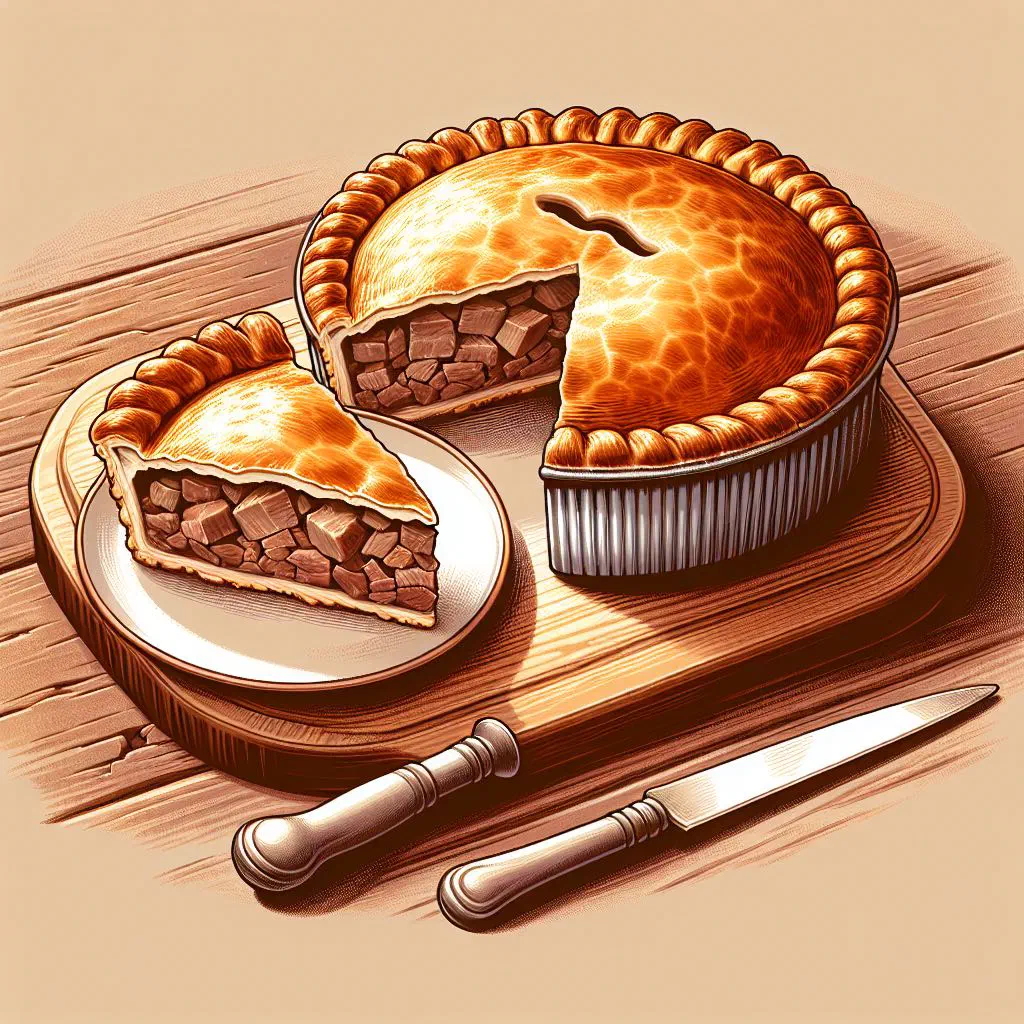
Discover Paschtéit, one of Luxembourg’s most cherished savoury classics. Beneath a golden, crumbly crust sits a generous filling of well-seasoned meat, perfumed with fresh garden herbs. It is the kind of dish that appears at christenings, village fêtes and Sunday tables alike, rustic in spirit, yet quietly elegant. Bake one at home and you have a whole slice of Luxembourgish culture on your plate.
About Paschtéit
Paschtéit is a traditional Luxembourgish dish built from a tender, short pastry and a rich, savoury filling. That filling is most often made with minced meat, lifted with aromatic herbs and a careful hand with the seasoning. The dish is well loved at home and has been quietly winning admirers abroad as well. Paschtéit is usually served for special occasions and is a flavourful symbol of Luxembourgish culture.
Ingredients (serves 1–2)
- 200 g plain flour
- 100 g butter
- 1 egg
- 200 g minced meat (pork or beef, for example)
- 1 onion
- Fresh herbs (parsley, thyme)
- Salt and pepper, to taste
Shopping for the ingredients
To make a really good Paschtéit, the ingredients should be fresh and of good quality. Call in at a local butcher for the minced meat and make sure it has been freshly prepared that day. For the herbs, organic shops or weekly markets are your best bet, as they tend to carry the freshest produce. Where you can, choose regional ingredients. It improves both the sustainability and the flavour of the finished dish.
Preparing the dish
Before you start cooking, it pays to get everything ready. The onion should be finely chopped and the herbs roughly torn so they release their aroma properly. The flour and the butter are best taken out of the fridge in good time so they can come up to room temperature. Good preparation keeps the whole process running smoothly and efficiently, which is exactly what leads to a delicious result, the same principle that makes a Rieslingspaschtéit come together so neatly.
Step-by-step instructions
- Put the flour and butter in a bowl and rub them together thoroughly.
- Add the egg and knead to a smooth, supple dough.
- Wrap the dough in cling film and chill for 30 minutes.
- Meanwhile, fry the onion in a pan and add the minced meat.
- Season with the herbs, salt and pepper, then leave to cool.
- Roll out the dough, spoon in the filling and seal the edges firmly.
- Bake the Paschtéit in a preheated oven at 180°C for about 40 minutes.
Gluten-free / lactose-free version
Making Paschtéit without gluten or lactose is perfectly possible with a few adjustments. In place of wheat flour, use a gluten-free flour such as rice or buckwheat flour. For a dairy-free version there are plant-based butters that stand in very well. Always check the packaging to be sure every ingredient really is gluten-free and lactose-free, so there is no risk of cross-contamination.
Tips for vegans and vegetarians
For vegan and vegetarian versions of Paschtéit, replace the meat with a mixture of vegetables or tofu to vary both flavour and texture. Adding spices such as smoked paprika or cumin deepens the aroma and makes the dish more interesting. A good-quality plant-based butter can be used instead of dairy butter and will keep the pastry behaving as it should. That way vegetarians and vegans can enjoy this classic too, much as they might a meat-free take on Gromperekichelcher.
More tips and tricks
One useful trick is to roll the pastry a little thicker for a crisper crust. Experiment with different fillings to make the most of how versatile Paschtéit can be. Regional vegetables such as pumpkin or spinach work nicely as additions. Do keep an eye on the moisture in the filling, though, too wet and the pastry base will turn soggy.
Adapting the recipe to your taste
The recipe is easily tailored to personal preference, whether by changing the type of meat or by playing with the spicing. Anyone who likes things hotter can add chilli or extra pepper, while others will prefer to keep the seasoning gentle. You can also vary the texture of the filling by chopping it more coarsely or more finely. In this way you end up with a dish that matches your own taste precisely.
Ingredient substitutions
If certain ingredients are not to hand, there are usually simple alternatives. Oil can stand in for butter, and instead of fresh mince you might use pre-cooked meat or even a plant-based mince. Frozen vegetables make a practical substitute where fresh ones are unavailable. Experimenting with different ingredients often leads to new and exciting variations on Paschtéit, the same spirit of improvisation that gives Bouchée à la Reine its many regional forms.
Drink pairing ideas
Plenty of drinks go beautifully with a Paschtéit. A particularly good companion is a local Moselle wine, which underlines the flavours of the filling. A cold beer adds a refreshing note, while alcohol-free options such as a fruity juice or sparkling water with lemon provide a lively contrast. Choose your drink according to how heavily the filling has been spiced.
Serving and presentation ideas
Presentation can add a great deal to the pleasure of eating Paschtéit. Serve it on a colourful plate so the golden crust really stands out. Fresh herbs scattered over the top bring both colour and freshness to the dish. A side of green salad or grilled vegetables enriches the flavour and rounds out an inviting table, a Feierstengszalot also makes a fine accompaniment.
A bit of history
Paschtéit has its origins in Luxembourgish tradition and has developed steadily over the centuries. Once reserved for special occasions, it gradually found its way into everyday cooking. The many regional variations show the breadth of Luxembourgish cuisine and reflect the cultural influences that have shaped the country, as you can see across the wider world of Luxembourgish cooking. Today it remains a favourite dish, served at celebrations and festivals throughout the year.
More recipe ideas
Summary: Paschtéit
Paschtéit is more than just a dish; it is a delicious meeting of tradition and taste. With its short, crumbly pastry and its hearty filling, it offers a wonderful way into Luxembourgish culture. It is ideal for special occasions and can be adapted to personal preference with very little effort. Give it a go and enjoy a piece of Luxembourg on your plate.