National Dish Luxembourg: Quetschentaart (Recipe)
In this article
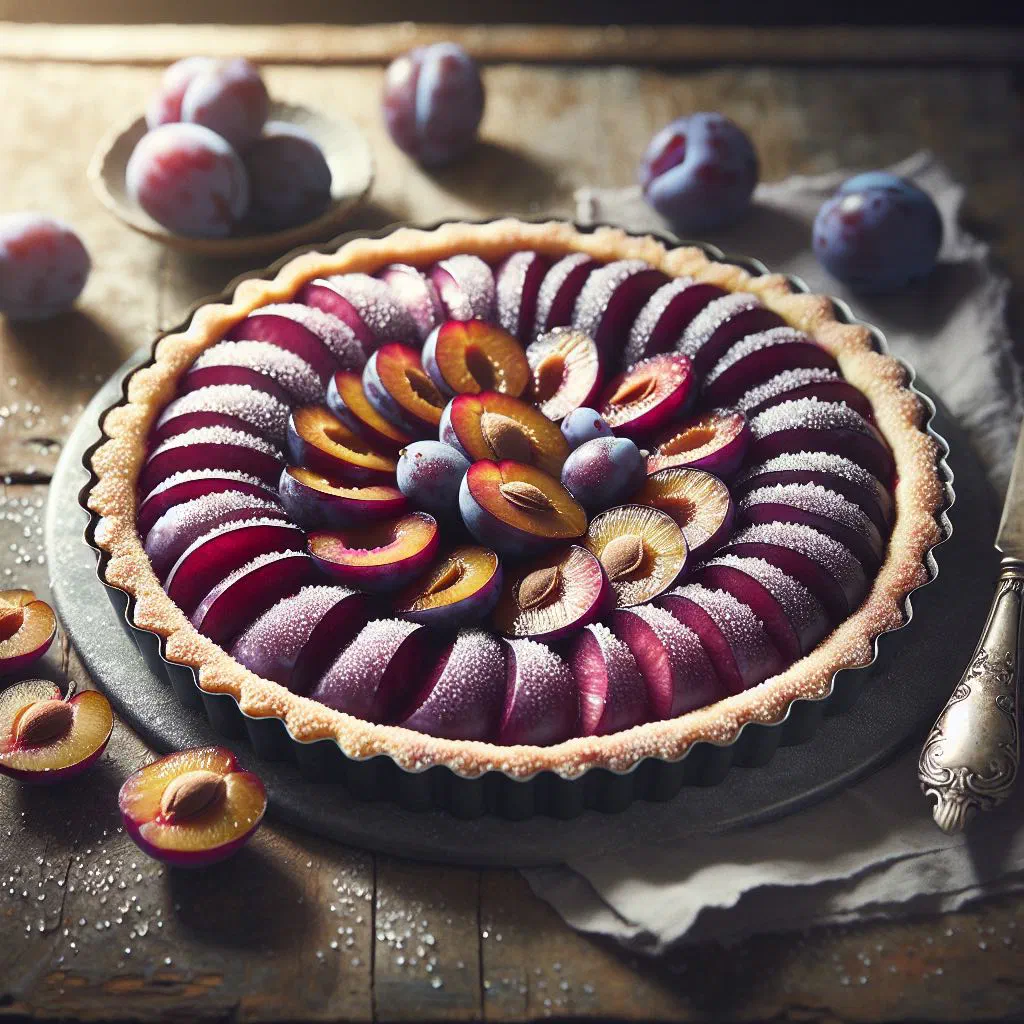
Discover Quetschentaart, the plum tart that Luxembourg reaches for every autumn. A buttery shortcrust base carries a close-packed layer of deep-purple damsons, all set in a gentle vanilla custard that bakes to a golden blush. It is the sort of bake that turns up at village festivals and Sunday tables alike, yet it is simple enough to make on an ordinary weekday afternoon. One slice, and you will understand why the Luxembourgers guard this recipe so fondly.
About Quetschentaart
The Quetschentaart is a traditional Luxembourgish bake, most popular during the damson harvest when the fruit is at its ripest. The tart brings together the juicy aroma of ripe damson plums, a tender buttery pastry and an appealing vanilla custard. It is often served at celebrations and on special occasions, but it is an equally fine choice for a small everyday treat. The tart represents the local kitchen and a real passion for high-quality, fresh ingredients.
Ingredients (serves 1–2)
- 200 g plain flour
- 100 g butter
- 50 g sugar
- 2 eggs
- 300 g ripe damson plums
- 250 ml milk
- 1 sachet vanilla sugar
- 1 pinch of salt
Shopping for the ingredients
To make an authentic Quetschentaart, buy fresh, properly ripe damsons, their natural sweetness decides whether the tart succeeds. Look for flour of good quality so that the pastry reaches the right consistency, and choose butter that is as fresh as possible to bring out the delicate flavour. A well-made vanilla custard can also serve as the base of the tart and lends it a heavenly note. Late-summer markets are the best hunting ground, much as they are when you shop for an Aeppelterte.
Preparing the dish
Before you begin the Quetschentaart, gather all the ingredients and set them out within easy reach. It is worth washing and stoning the plums first, before you turn to the pastry, so that the tart bakes evenly and comes out perfectly. Another important step is preparing the tin: grease it well or line it with baking parchment so the pastry does not stick.
Step-by-step instructions
- Preheat the oven to 180 °C.
- Knead the flour with the butter, sugar and a pinch of salt to a smooth pastry.
- Press the pastry into the prepared tin and form a small rim around the edge.
- Arrange the stoned plums over the pastry.
- Whisk the eggs, milk and vanilla sugar together in a bowl and pour the mixture over the plums.
- Bake the tart in the preheated oven for about 35–40 minutes, until the surface is golden brown.
- Let it cool completely before serving and dust with icing sugar if you like.
Gluten-free / lactose-free version
For a gluten-free Quetschentaart, use a good gluten-free flour or a blend of almond flour and potato starch in place of the wheat flour. Check that the remaining ingredients, particularly the butter and the milk, are gluten-free as well. For a lactose-free version, plant-based alternatives such as coconut cream or oat milk work beautifully and give just as creamy a result. Do experiment with the different options until you find the version that suits you.
Tips for vegans and vegetarians
Vegans can adapt the Quetschentaart by replacing the eggs with flaxseed or apple purée, both of which bind the mixture just as well. It is also worth using plant-based butter and a plant milk of your choice. These small adjustments make it possible to bring this delicious tart in line with a plant-based diet without giving up any of its outstanding flavour.
More tips and tricks
The art of a perfect Quetschentaart often lies in the detail. One useful trick is to caramelise the plums lightly beforehand, which intensifies their flavour considerably. Take care not to overwork the pastry, so that it stays tender and short. Timing in the oven matters too, so keep an eye on the tart as it bakes. These small pointers help with the preparation and with getting the very best out of the flavour.
Adapting the recipe to your taste
The Quetschentaart lends itself wonderfully to personal variation. Add cinnamon or other warm spices, for example, to give it a signature note of your own. Other fruits such as apples or cherries make for an interesting change of flavour as well. That is what makes your tart entirely your own.
Ingredient substitutions
If you would like to swap out certain ingredients in your Quetschentaart, there are plenty of alternatives worth trying. Instead of butter you can use margarine or a mixture of oil and apple purée to cut down on fat. When it comes to the sugar, alternative sweeteners such as agave syrup or honey let you adjust the tart to your own taste. Remember that the baking time and the consistency of the pastry may need adjusting depending on which ingredients you choose.
Drink pairing ideas
To round off the Quetschentaart experience, it is worth serving a well-chosen drink alongside. A fruity white wine or a dry sparkling wine harmonises splendidly with the sweetness of the plums. For an alcohol-free option, freshly pressed juices or a fruity iced tea are an excellent choice, and a cup of hot chocolate is hard to beat on a cold afternoon. These drinks complete the tasting experience and underline the aromas of the tart.
Serving and presentation ideas
The way you present your Quetschentaart can lift the whole experience. The simplest approach is to serve the tart on a large, handsome plate and dust it with icing sugar. You might also garnish it with fresh plums or mint for a lively contrast of colour. Bear in mind that the arrangement of the slices leaves a lasting impression too, so cut them evenly and lay them out with care.
A bit of history
The Quetschentaart has a long tradition in Luxembourg and is closely bound up with the country’s regional cooking. This dessert reflects both the rich variety of local orchard fruit and the rustic baking heritage of the Grand Duchy. Historically it was served at festivals and family gatherings, which shows how highly Luxembourgers value their culinary traditions, the same spirit that keeps dishes like Bamkuch alive in Luxembourgish cuisine. The tart promises a delicious flavour and a connection to the cultural roots of the country.
More recipe ideas
Summary: Quetschentaart
The Quetschentaart is not merely a culinary highlight but a piece of Luxembourgish tradition. With fresh damsons and an appealing vanilla custard, it suits all manner of occasions. Whether for a celebration or simply for the pleasure of it, this tart always brings joy to the table. Let this recipe inspire you and bring a slice of Luxembourgish good living into your own kitchen.