National Dish Luxembourg: Zwiwwelkuuch (Recipe)
In this article
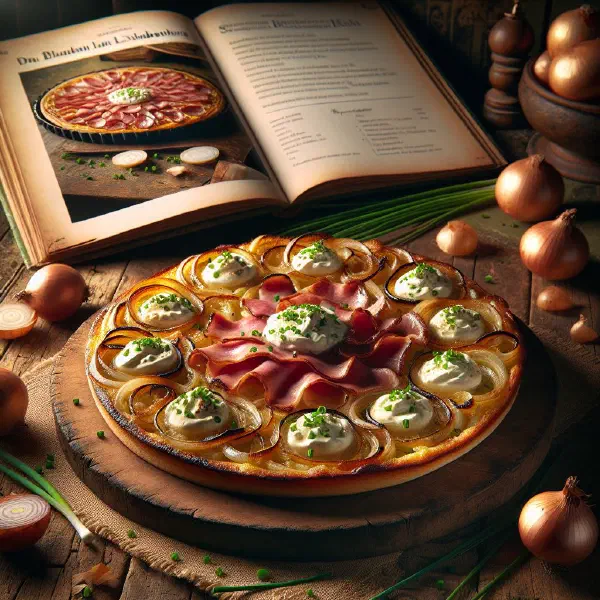
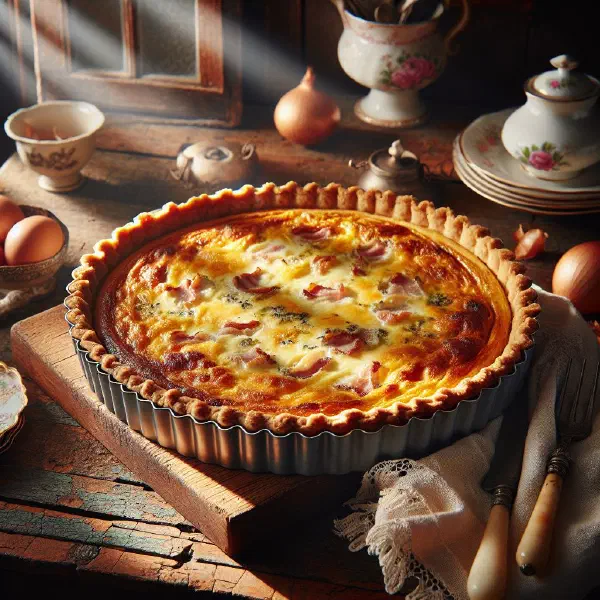
Meet Zwiwwelkuuch, Luxembourg’s much-loved onion tart. A crisp shortcrust base carries a savoury filling of slowly softened onions bound in seasoned cream, all baked until the top turns burnished and golden. It is the sort of unfussy, generous bake that shows up at village fêtes and family tables alike, and it works equally well as a warm snack or a proper main course.
About Zwiwwelkuuch
Zwiwwelkuuch is a traditional national dish from Luxembourg that wins over locals and visitors in equal measure. This hearty onion quiche is defined by its crisp shortcrust pastry and its savoury onion filling, two elements that complement each other perfectly. It is often served for special occasions and celebrations, which gives it a particular standing in the country’s kitchen. Let the aromas of this rustic cooking tempt you and enjoy a slice of delicious heritage on your plate.
Ingredients (serves 1–2)
- 250 g plain flour
- 125 g butter
- 1 egg
- 500 g onions
- 200 ml cream
- 2 eggs (for the filling)
- Salt and pepper to taste
- Nutmeg
Shopping for the ingredients
When shopping for zwiwwelkuuch, pay close attention to the freshness of the onions, since they carry the main flavour of the dish. Local produce is the safest bet for quality. The butter should be good, as it is what makes the shortcrust pastry taste so rich. And do not forget the spices, nutmeg in particular gives the tart its characteristic note.
Preparing the dish
A successful zwiwwelkuuch depends on careful preparation. The onions should be cut into fine rings and gently sweated until soft and golden. The shortcrust pastry needs to be made in advance and chilled so it has the right consistency when you roll it out. These steps matter: they are what deliver the optimal flavour and texture in the finished quiche.
Step-by-step instructions
- Knead the flour, butter and one egg in a bowl to a smooth dough and chill for 30 minutes in the fridge.
- Cut the onions into rings and fry them in a pan with a little oil until soft.
- In a separate bowl, whisk together the cream, two eggs, salt, pepper and grated nutmeg.
- Roll out the chilled dough, line a quiche tin with it, then spread the onions evenly over the base.
- Pour the cream and egg mixture over the onions and bake in a preheated oven at 180°C for about 30–40 minutes.
Gluten-free / lactose-free version
For a gluten-free version of zwiwwelkuuch, use gluten-free flour, which is stocked by most supermarkets these days. Instead of butter you can use lactose-free margarine or vegetable oils to bind the filling. Plant-based cream works well as a lactose-free alternative too. These adjustments mean far more people can enjoy the flavours of this dish.
Tips for vegans and vegetarians
For a vegan version of zwiwwelkuuch, plant-based alternatives such as a chia egg or apple purée can stand in for the eggs. The cream is easily swapped for a vegan option like soya or oat cream. Since onions are plant-based to begin with, the tart stays every bit as savoury and satisfying, much like the meat-free Gromperekichelcher. These adaptations open up a whole new culinary world for anyone avoiding animal products.
More tips and tricks
A few tips and tricks will help you get even more out of your zwiwwelkuuch. Take care not to fry the onions too fiercely, as this brings out a bitter taste. Instead, cook them slowly and gently so they develop their full sweetness. To make the quiche especially crisp, blind bake the base beforehand. That way the pastry never turns soggy underneath the filling.
Adapting the recipe to your taste
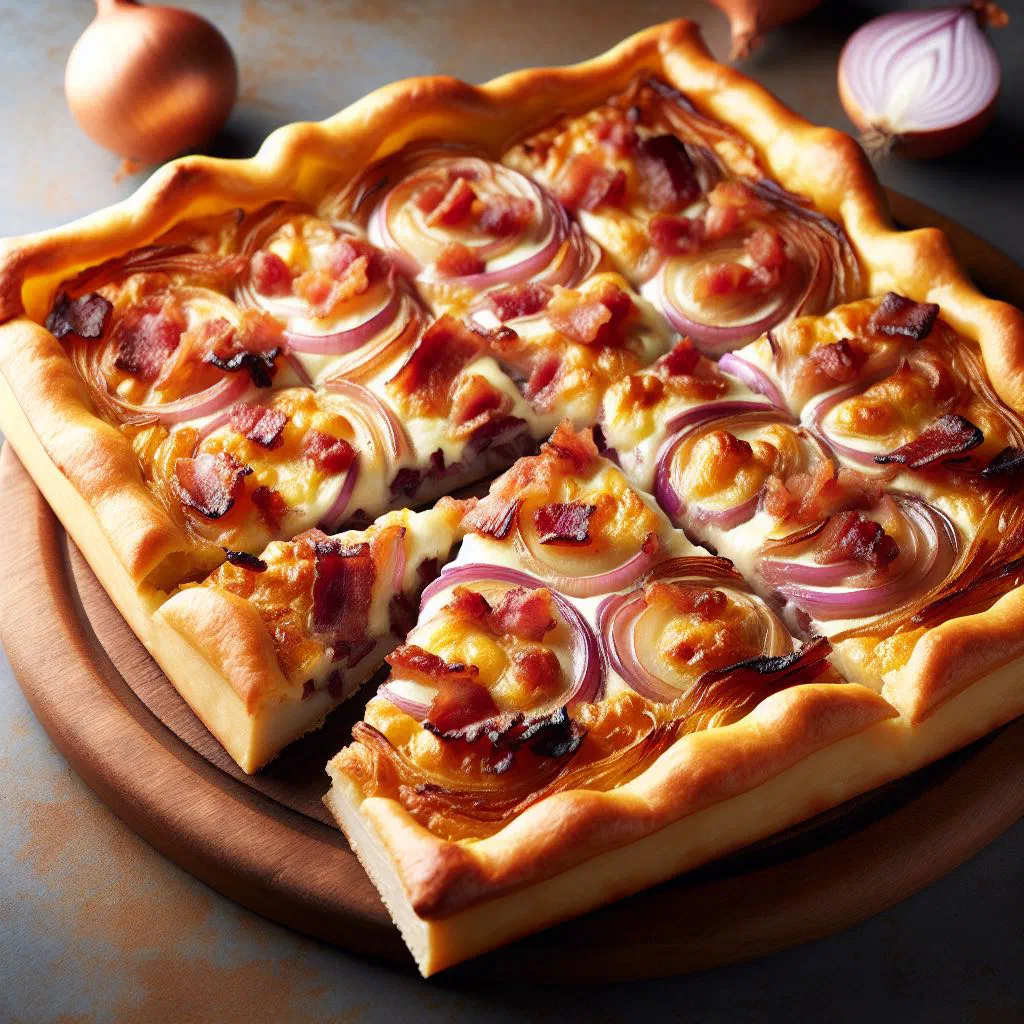
The zwiwwelkuuch recipe offers plenty of room for adaptation. Depending on your taste, extra ingredients such as bacon or ham can be worked in to make the tart heartier, echoing the smoky character of Ardenner Schinken. For a vegetarian variation, add vegetables such as spinach or mushrooms, which pair beautifully with onions. Creativity in the kitchen is always welcome and may well lead you to your own favourite version.
Ingredient substitutions
There are several good alternatives to the standard ingredients in zwiwwelkuuch. Spelt flour can replace wheat flour, lending a nuttier note. The onions need not be the classic kind either: red onions or even spring onions work nicely if you prefer a milder flavour. The cream, too, can be exchanged for plant-based options such as coconut or rice cream.
Drink pairing ideas
The right drink can make all the difference to your zwiwwelkuuch. A fruity white wine, a Luxembourgish Riesling, say, sits beautifully alongside the onions and cream. Apple juice makes a good non-alcoholic alternative, and a fresh salad with a light dressing rounds out the plate. Try a few combinations and find the pairing you like best.
Serving and presentation ideas
Presentation can lift the enjoyment of zwiwwelkuuch considerably. Serve the quiche straight from the tin, or cut it into neat wedges and arrange them on a handsome plate. Garnish with fresh herbs such as parsley or chives for an appetising look. A colourful side, a mixed salad, or a bowl of Gromperesalat, gives the whole spread a fresh, generous feel.
A bit of history
Zwiwwelkuuch has a long history in Luxembourgish cuisine and reflects the culture and traditions of the country. Many local dishes are built on regional ingredients and have been handed down through generations. This tart symbolises the flavours of the region and the hospitality of its people. It is a dish often prepared for family celebrations and community gatherings, which makes it a genuine piece of home.
More recipe ideas
Summary: Zwiwwelkuuch
Zwiwwelkuuch is a wonderful example of the rustic, flavourful cooking of Luxembourg. With its crisp shortcrust pastry and savoury onion filling, it is not only straightforward to make but sure to please every palate. Thanks to the many possible variations and adjustments, everyone can give it a personal touch. Try this traditional dish and enjoy the flavours and the history of Luxembourg on your own plate.