National Dish Madagascar: Sakamalaho (Recipe)
In this article
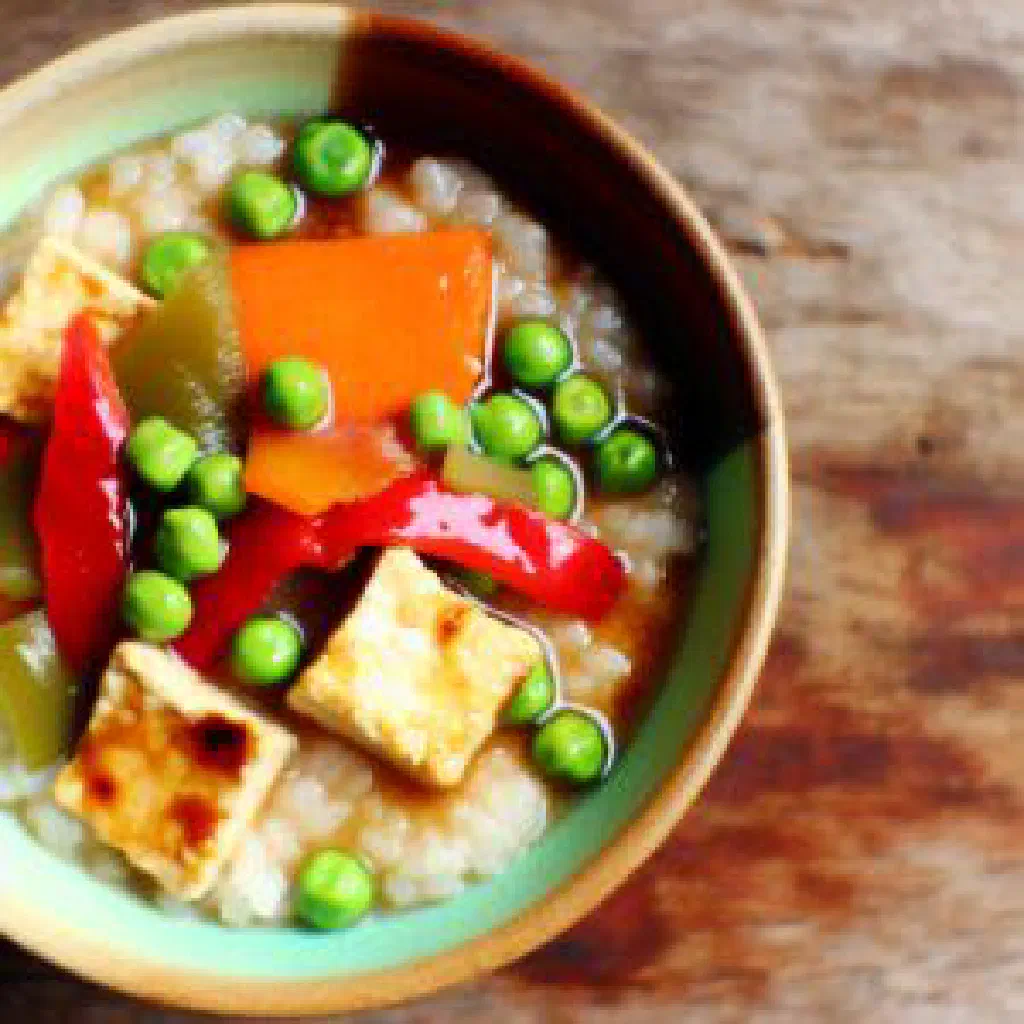
Discover Sakamalaho, a dish that captures the colour and warmth of the island of Madagascar. Built around fine rice, fresh vegetables and a lively mix of aromatic spices, it delivers layer upon layer of flavour with every mouthful. The recipe shifts with the region and the season, so no two versions taste quite the same. Tradition and creativity meet on the plate here, making this a real feast well worth trying at home.
About Sakamalaho
A true culinary jewel of Madagascar, Sakamalaho is a dish that sums up the variety and richness of Madagascan cooking. With fine rice, fresh ingredients and a generous range of aromatic spices, it appeals to the senses and impresses with its complex flavours. The preparation changes from region to region and from season to season, so each bite opens up a new dimension of taste. By bringing together tradition and creativity, Sakamalaho becomes a genuine feast that you really ought to try.
Ingredients (serves 1–2)
- 200 g fine rice
- 150 g fresh vegetables (e.g. carrots, peppers)
- 100 g meat or tofu
- 2 tablespoons vegetable oil
- 1 onion, diced
- 2 cloves garlic, chopped
- 1 teaspoon salt
- 2 teaspoons mixed spices (e.g. turmeric, cumin, pepper)
- Fresh herbs (e.g. coriander or parsley)
Shopping for the ingredients
For the best Sakamalaho, the ingredients should be as fresh and as high in quality as possible. Visit your local market or a health-food shop to pick up fresh vegetables and spices. Take care to find good meat or a plant-based alternative that suits your preferences. A well-stocked supermarket will usually carry the spices you need to turn this dish into a real flavour experience.
Preparing the dish
Before you start cooking Sakamalaho, it is worth getting all the ingredients ready. Wash and cut the vegetables into small pieces so they cook through evenly. Marinating the meat or tofu with spices gives them extra flavour that lifts the finished dish. Remember to rinse the rice well beforehand to remove excess starch; this gives you a nicer texture once it is cooked.
Step-by-step instructions
- Heat the vegetable oil in a large pan or a wok.
- Add the onion and fry until translucent.
- Add the garlic and your chosen meat or tofu, and fry everything for a few minutes.
- Now add the vegetables and mix everything together well.
- Add the rinsed rice to the pan, pour in water and stir in the spices.
- Bring the mixture to the boil, then reduce the heat and let everything simmer for about 20 minutes until the rice is cooked.
- Finish by serving with fresh herbs and enjoy.
Gluten-free / lactose-free version
Sakamalaho is easy to make gluten-free or lactose-free, since the main ingredients are rice and vegetables. If you would normally add cream or dairy, simply reach for lactose-free alternatives instead. For a fully gluten-free version, apply the same care when choosing any added ingredients. A little creativity and the right choices make this dish accessible to everyone.
Tips for vegans and vegetarians
Vegans and vegetarians can adapt Sakamalaho with ease by swapping the meat for tofu or a mix of pulses. Play around with the vegetables and spices to keep the flavour varied and interesting. Vegetable stock can be used instead of water to give the dish an extra savoury depth. It is well worth experimenting with different vegetables to find the perfect blend for your own taste.
More tips and tricks
To get the best results with Sakamalaho, a good pan that spreads the heat evenly makes all the difference. Take care not to set the heat too high, so the ingredients do not catch and burn. A splash of lemon juice or vinegar just before serving rounds off the taste and freshens up the aromas. Keep a little of the fresh herbs back for garnish, too, to make the dish look as good as it tastes.
Adapting the recipe to your taste
Sakamalaho is easy to adjust to suit personal preferences. Experiment with different types of vegetables and spices to hit the flavour you are after exactly. You can also control the heat by using more or less chilli. Be creative and let your own culinary tastes guide you to create a dish that suits you best, much like the fresh, punchy relish in a bowl of Lasary.
Ingredient substitutions
If you do not have every ingredient for Sakamalaho to hand, plenty of alternatives will work. Rice, for example, can be replaced with quinoa or bulgur, giving the dish a modern twist. For the vegetables, seasonal options are ideal and match whatever is locally available. Using beef stock instead of water can also intensify the flavour of the rice.
Drink pairing ideas
To complement your Sakamalaho, light wines or non-alcoholic soft drinks make an excellent choice. A fresh white wine harmonises beautifully with the flavours of the dish. For alcohol-free options, consider homemade mint tea or lemon water, which round off the whole experience. Just make sure the drinks are not too dominant, so they do not overpower the taste of the food.
Serving and presentation ideas
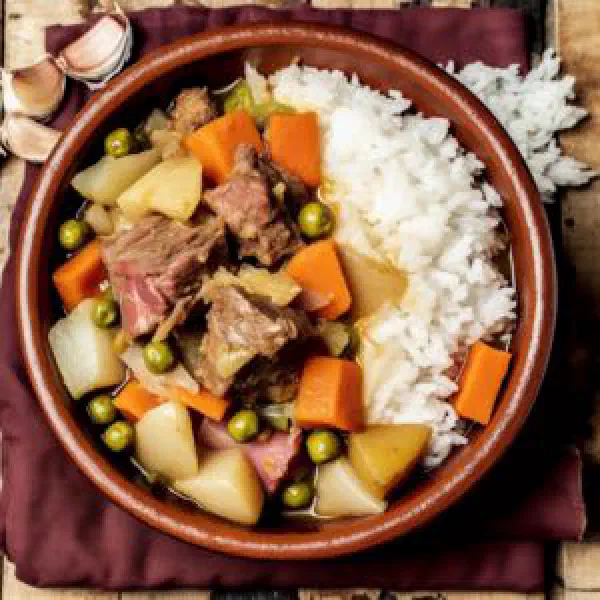
Presentation can have a big impact on the whole Sakamalaho experience. Serve the dish in a lovely bowl and garnish it with fresh herbs. A colourful selection of vegetables can also act as a decorative touch. Remember to make the dish appealing for your guests, an attractive presentation often builds anticipation and adds to the pleasure of eating.
A bit of history
Sakamalaho has deep roots in Madagascan food culture and reflects the island’s diverse culinary tradition. Here African, Asian and European influences come together to create a unique and varied cuisine. Historically, rice cultivation was a crucial source of life in Madagascar and has played a central role in local communities. The dish is often served on festive occasions, which underlines its cultural significance and its place within Madagascan cuisine.
More recipe ideas
Summary: Sakamalaho
To sum up, Sakamalaho is a versatile and delicious dish that perfectly represents the flavours and culture of Madagascar. The use of fresh ingredients and spices makes for a harmonious taste experience. Whether for a festive occasion or a simple family meal, this dish is always a good choice. Give it a try and enjoy the flavours of the Madagascan paradise.