National Dish Madagascar: Varanga (Recipe)
In this article
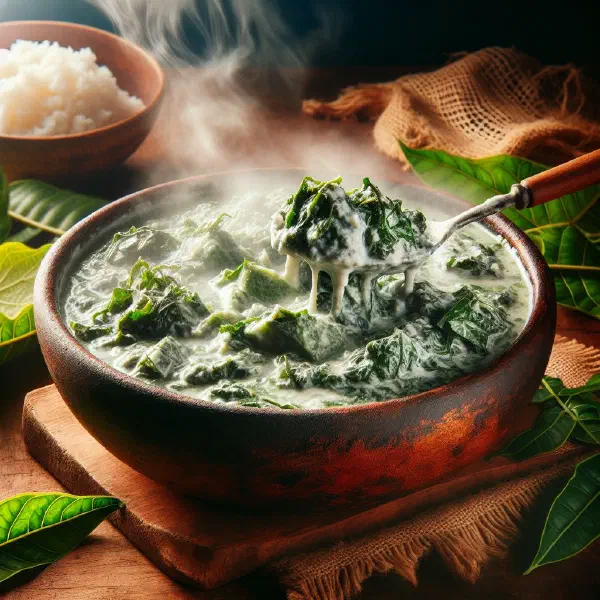
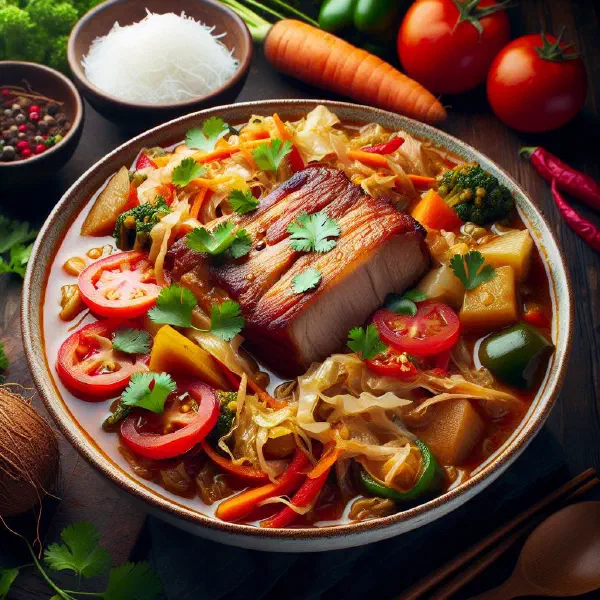
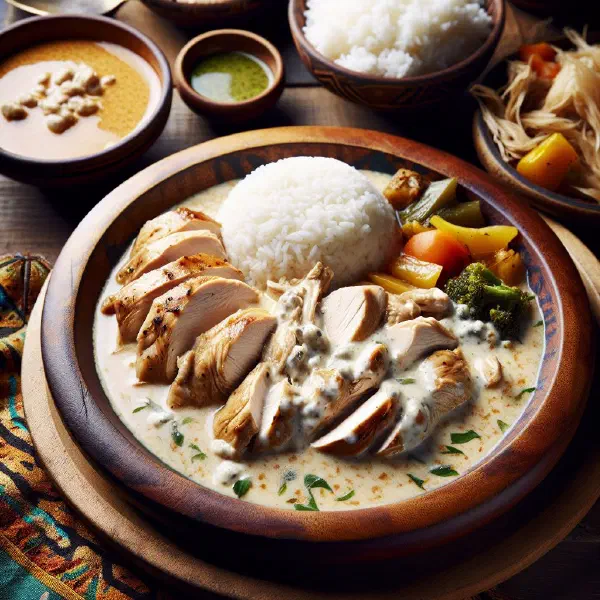
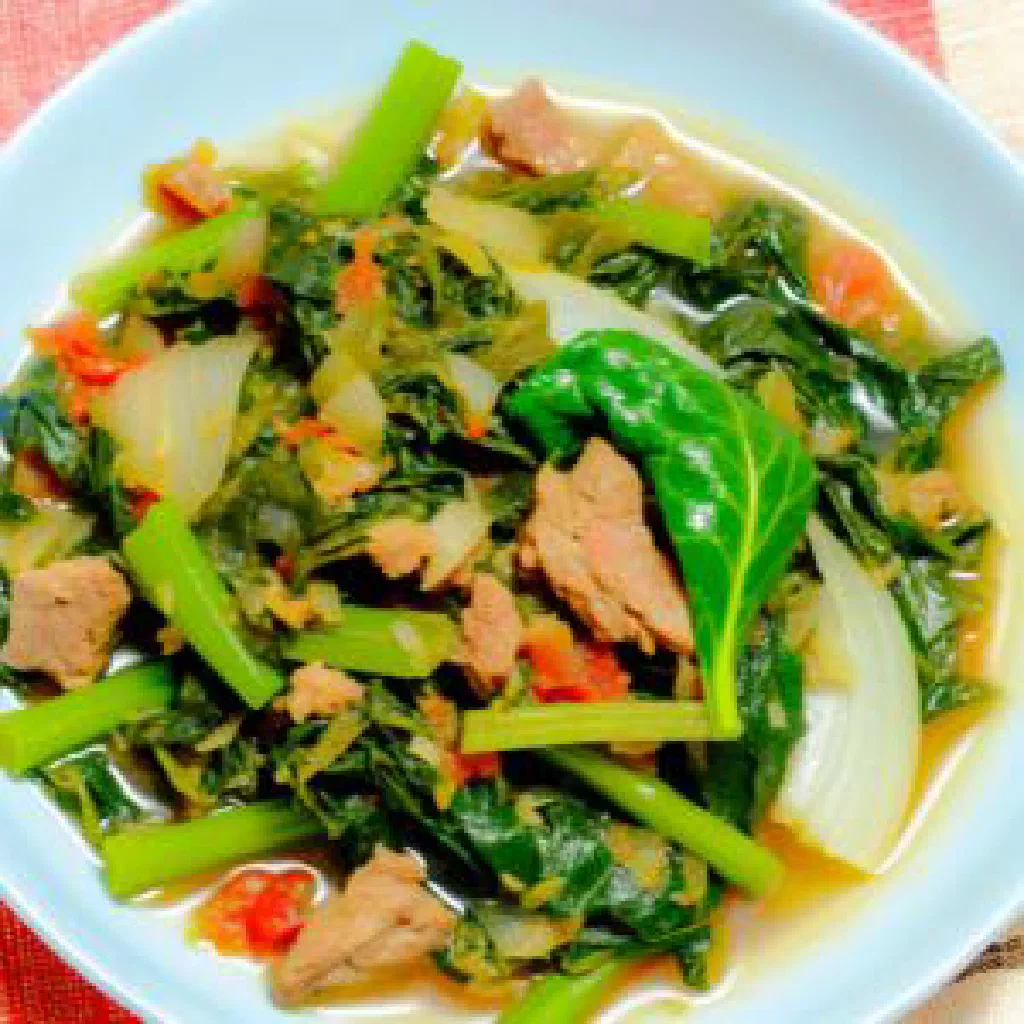
Meet Varanga, a proud and fragrant dish from the island of Madagascar. Tender pieces of meat or fish are gently simmered with warming spices and creamy coconut milk until every mouthful sings with flavour. It is a dish that speaks of celebration and family, weaving together the island’s many culinary influences into something wonderfully comforting. Bring a taste of the Indian Ocean to your own table with this easy, aromatic recipe.
About Varanga
Varanga is a traditional dish from Madagascar, prepared with great pride across the island. It brings together tender pieces of meat or fish with a generous mix of aromatic spices and fresh ingredients. That combination creates an unmistakable flavour that appeals to locals and international lovers of Malagasy food alike. Beyond its delicious taste, Varanga offers a real insight into the cultural richness of Madagascar and its long-standing gastronomic traditions.
Ingredients (serves 1–2)
- 200 g tender meat (chicken, beef or fish)
- 2 tablespoons vegetable oil
- 1 onion, finely chopped
- 2 cloves garlic, crushed
- 1 teaspoon fresh ginger, grated
- 1 teaspoon turmeric
- 1 teaspoon paprika
- 1 teaspoon salt and pepper, to taste
- 250 ml coconut milk
- Fresh herbs to garnish (e.g. coriander)
Shopping for the ingredients
When shopping for Varanga, it is worth paying attention to freshness and quality. Choose meat or fish from sustainable sources to guarantee the best flavour. Fresh herbs are just as important, as they intensify the aromas in the finished dish. Many of the ingredients are readily available in Asian or international grocery shops, so you can plan your shopping trip accordingly. Much like a fragrant Akoho Misy Sakamalao, it is the freshness of the aromatics that makes all the difference.
Preparing the dish
Preparing Varanga starts with getting the ingredients ready. The meat or fish should be cut into small, bite-sized pieces so it cooks through evenly. The vegetable ingredients such as onion and garlic are finely chopped to release their aromas more fully. Make sure you have everything to hand before you begin cooking, as this makes the whole process considerably easier.
Step-by-step instructions
- Heat the vegetable oil in a pan over medium heat.
- Add the chopped onion and fry until soft and translucent.
- Stir in the garlic and freshly grated ginger and cook for a further 2 minutes.
- Add the pieces of meat or fish and fry until lightly browned.
- Sprinkle over the turmeric, paprika, salt and pepper and stir well.
- Pour the coconut milk into the pan and leave everything to simmer for 10–15 minutes.
- Garnish with fresh herbs and serve warm.
Gluten-free / lactose-free version
Varanga is naturally gluten-free and lactose-free, as long as you take care to use gluten-free ingredients throughout. Check, for example, that your spices contain no hidden gluten. Using coconut milk instead of cream also makes the dish ideal for anyone who is lactose intolerant. Variations here are easy to put into practice without losing the authentic flavour of the dish.
Tips for vegans and vegetarians
For vegan and vegetarian versions of Varanga, you can replace the meat with tofu or vegetables. Tofu works beautifully as a meat substitute and soaks up the spices well. Vegetables such as courgette, aubergine or peppers are ideal too, lending the dish plenty of body. Be sure to keep the same spices and the coconut milk so you preserve the characteristic taste of Varanga.
More tips and tricks
A few tips and tricks can make preparing Varanga even easier. Start with fresh spices to intensify the aroma. If you have the time, let the dish simmer a little longer. It improves the flavour considerably. You can also play with the aromatics by adding a touch of chilli for a spicy note, or thinning the coconut milk with a little vegetable stock. Experimenting with different ingredients can lead to exciting new flavours.
Adapting the recipe to your taste
Depending on your personal preference, the Varanga recipe is easy to adjust. If you like things less sweet, for instance, you can swap the coconut milk for a different stock. For a change of flavour you might use other spices such as cumin or crushed chilli. That way you create a new experience every time.
Ingredient substitutions
If certain ingredients for Varanga are not available, there are plenty of alternatives. Instead of fresh ginger you can use ground ginger, though fresh ginger delivers the best flavour. When it comes to vegetables, any seasonal mix works well to enrich or vary the dish. Combining it with regional produce, as in a rustic Henomby Ritra, gives the dish a personal touch and encourages the use of local ingredients.
Drink pairing ideas
A range of drinks pairs well with Varanga and rounds off the experience. A refreshing citrus lemonade made with fresh citrus fruit is an excellent choice. Alternatively, you might serve a white wine or a light, well-balanced beer to complement the flavours of the dish. Think about which drinks best suit the ingredients you have used, and offer your guests a selection to make the meal a special occasion.
Serving and presentation ideas
The presentation of Varanga plays a key role in giving your guests a visual treat. Consider serving the dish in a shallow bowl that shows off the colours of the ingredients. Fresh herbs such as coriander or mint as a garnish are decorative and add an extra hit of freshness. Serve the food in an inviting setting, perhaps with pretty plates and cutlery, to lift the whole atmosphere. It sits beautifully alongside a bowl of Vary Amin Anana.
A bit of history
Varanga has deeply rooted traditions and a history within Malagasy culture. It is traditionally prepared for special occasions and celebrations, which gives it a particular status. The blend of different flavours and influences reflects the multicultural society of Madagascar. Passed down and shared within families, Varanga remains a much-loved dish that bridges the generations, a cornerstone of Madagascar cuisine.
More recipe ideas
Summary: Varanga
All in all, Varanga is a true flavour experience that reflects the diversity and cultural depth of Madagascar. Thanks to its flexible methods of preparation, the recipe can be adapted to personal taste and leaves room for creative variations. The combination of fresh ingredients and aromatic spices makes it a superb choice for special occasions. Let it inspire you and bring the taste of Madagascar into your own kitchen.