National Dish Malawi: Kalongonda (Recipe)
In this article
Meet Kalongonda, a hearty dish that carries the honest, homely spirit of Malawian cooking. Built around fresh vegetables and your choice of fish or meat, it simmers everything together with warm, fragrant spices for a plate that is both nourishing and full of flavour. It is the kind of recipe that locals treasure and travellers remember, simple enough for a weeknight, yet special enough to share with friends. Bring a taste of Malawi’s kitchens straight to your own table.
About Kalongonda
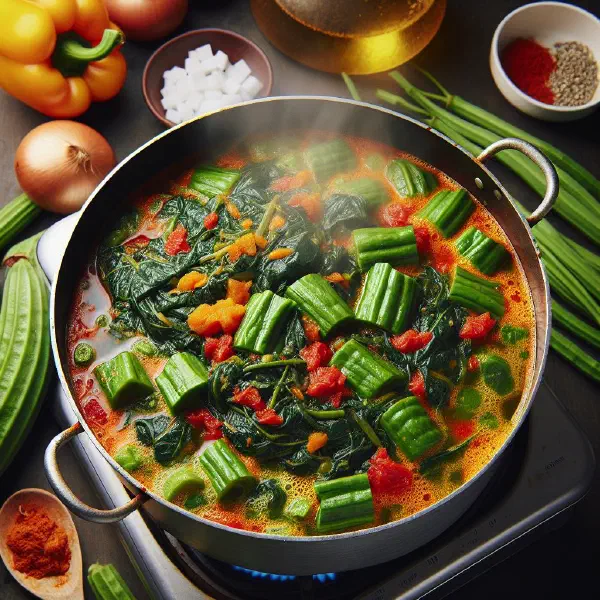
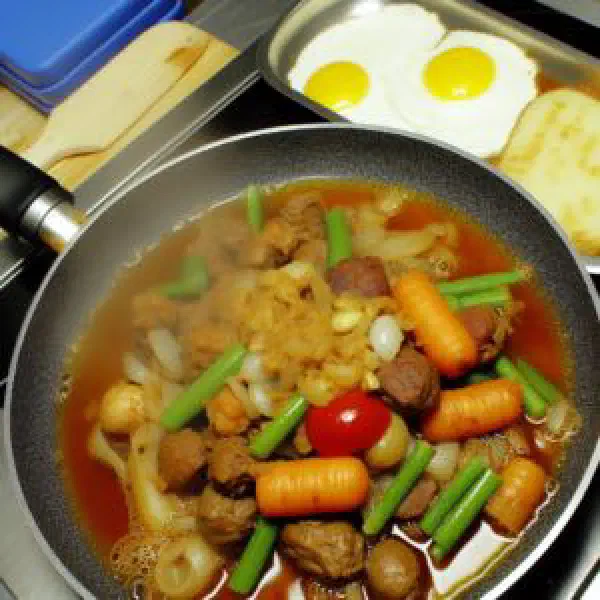
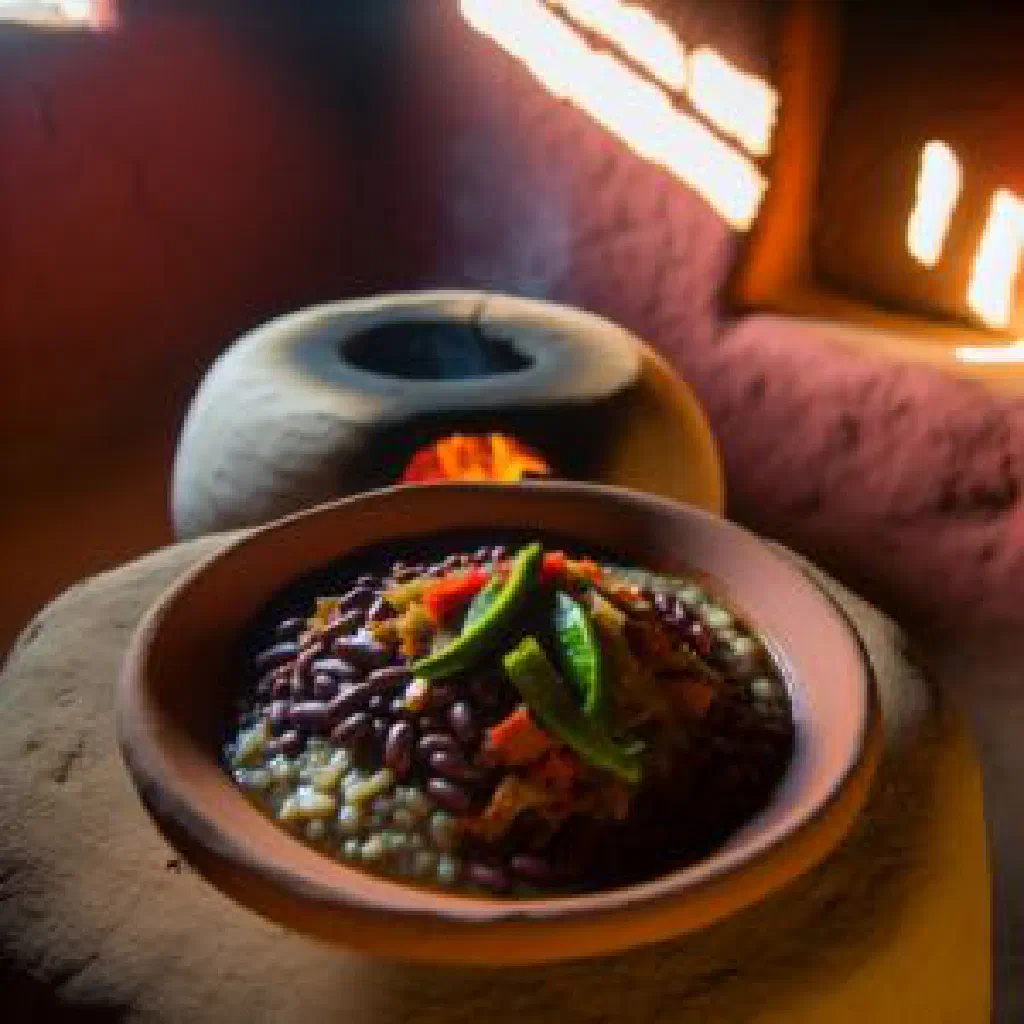
Kalongonda is a traditional dish from Malawi, deeply rooted in the country’s home cooking. It brings together a colourful mix of freshly prepared ingredients, vegetables alongside fish or meat, all lifted by aromatic spices. The result is nourishing and a genuine taste experience that appeals to locals and visitors alike. Kalongonda is a fine example of Malawi’s culinary variety, shaped by the generous use of regional produce and the flavours of the land.
Ingredients (serves 1–2)
- 200 g fish or meat (such as chicken or lamb)
- 2 medium tomatoes, diced
- 1 onion, finely chopped
- 1 large carrot, grated
- 1 pepper, diced
- 2–3 cloves of garlic, crushed
- 2 tablespoons vegetable oil
- Spices of your choice (such as salt, pepper, paprika)
- 1 cup vegetable stock or water
Shopping for the ingredients
When shopping for Kalongonda, it is well worth paying attention to freshness and quality. Visit local markets or trusted traders to pick up freshly caught fish and crisp vegetables. Most of the ingredients you need are either easy to find or can be swapped for alternative products if something is unavailable. Do choose good-quality spices, as they are key to bringing the aroma of the dish to life.
Preparing the dish
Preparing Kalongonda is straightforward and genuinely enjoyable. Begin by washing the vegetables thoroughly, then chop or grate them to your liking. If you are using fish or meat, make sure it is well cleaned and cut into even pieces. Getting the groundwork right means everything cooks evenly and the flavours come through beautifully once the dish comes together.
Step-by-step instructions
- Heat the vegetable oil in a large pan and sauté the onion until translucent.
- Add the garlic and the diced vegetables (tomatoes, carrot, pepper) and fry everything for a further 5 minutes.
- Add the prepared meat or fish to the pan and brown until golden.
- Pour in the vegetable stock and let the dish simmer over medium heat until all the ingredients are cooked through.
- Season to taste with your favourite spices and serve hot.
Gluten-free / lactose-free version
Kalongonda is naturally suited to being both gluten-free and lactose-free. Its core ingredients are fresh vegetables and protein, neither of which contains gluten. Just take care when choosing spices and stocks to avoid any that carry hidden gluten or lactose. With a little attention, you can make sure the dish suits every dietary need at the table.
Tips for vegans and vegetarians
For vegans and vegetarians, Kalongonda adapts easily by replacing the meat with extra vegetables or plant-based proteins. Tofu, chickpeas or lentils all keep the dish nourishing while holding onto its hearty character. The method stays largely the same, and the spices can be adjusted to taste to deepen the flavours. These variations make Kalongonda just as appealing to plant-based eaters as it is to everyone else, much like a comforting bowl of Nandolo Stew.
More tips and tricks
To get the most out of your Kalongonda, experiment with different vegetables and spices. If you fancy a bit more heat, add chillies or fresh ginger. A splash of coconut milk lends the dish a creamier consistency and a special note. Slow-cooking the dish in a traditional clay pot can also enhance the aroma and flavour, giving you a truly authentic result.
Adapting the recipe to your taste
Kalongonda is a versatile dish that is easy to tailor to your personal preferences. If you prefer a milder flavour, reduce or leave out the garlic and onions. This flexibility makes Kalongonda a dish that feels new every time you cook it.
Ingredient substitutions
If certain ingredients are not to hand, there are plenty of alternatives you can turn to for Kalongonda. In place of fish you might use chicken or smoked tofu, and instead of vegetable stock you can use water with a pinch of salt. The sheer range of possible ingredients means you can enjoy the dish in many different ways without losing flavour. It is well worth trying various combinations to find the perfect blend for your palate, the same spirit of thrifty improvisation you’ll find in Visashi.
Drink pairing ideas
A number of drinks pair nicely with Kalongonda and round off the whole experience. A lightly chilled beer or a fresh fruit juice, such as pineapple or mango, works wonderfully with the dish’s flavours. A glass of white wine can also be a good choice, especially when fish or poultry is involved. For an alcohol-free option, a lightly sweetened herbal tea complements the various flavours beautifully.
Serving and presentation ideas
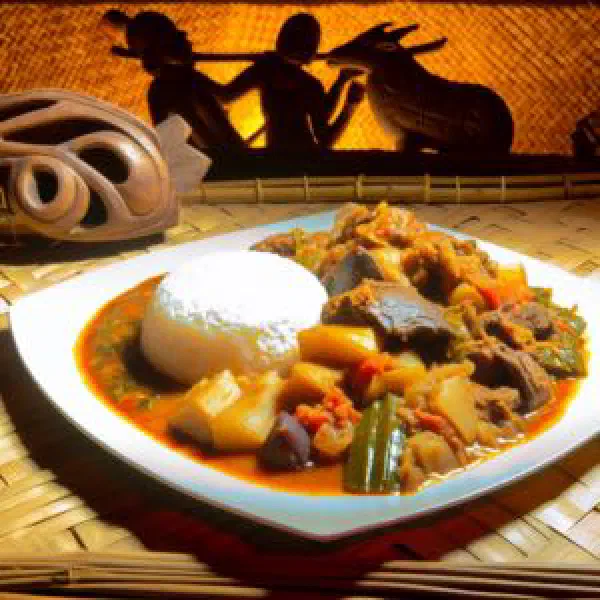
An attractive presentation heightens the anticipation of the meal. Serve Kalongonda in a lovely bowl and garnish it with fresh herbs such as coriander or parsley. You might offer it alongside a side of rice or maize bread to create a colourful plate. A thoughtful presentation helps turn the meal into a special occasion for your guests, as any bowl of Nsima served at a family table shows.
A bit of history
Kalongonda has deep roots in Malawian cuisine and reflects the traditions and eating habits of local people. It is a dish often prepared for family gatherings and festive occasions. Historically, its ingredients were closely tied to Malawi’s geography, which gave rise to many regional variations. These cultural influences make Kalongonda more than a meal, but a piece of history, a genuine taste of Malawi cuisine.
More recipe ideas
Summary: Kalongonda
Kalongonda is a traditional Malawian dish that appeals to all the senses. It brings fresh, simple ingredients together to offer a nourishing and delicious experience. The adaptability of this dish means it can be easily tuned to different dietary needs or personal tastes. Let the art of Malawian cooking inspire you, and dive into the varied flavours of Kalongonda.