National Dish Malawi: Mbewa (Recipe)
In this article
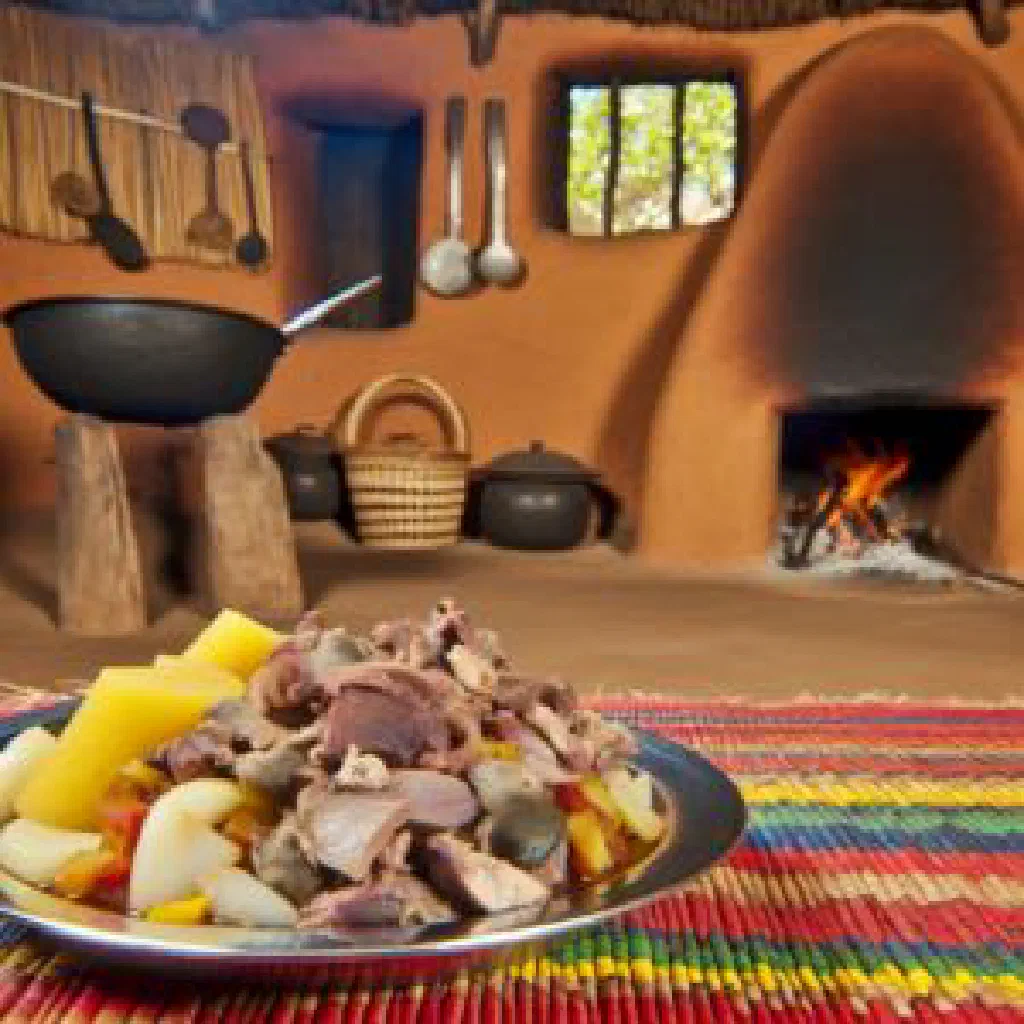
Meet Mbewa, one of Malawi’s most talked-about traditional dishes, made from field mice caught during the rainy season. Far from a novelty, it is a valued source of protein in many rural communities and a genuine window into the country’s food heritage. Crisp on the outside and full of flavour, the little morsels are seasoned with spices and served with simple sides. Adventurous cooks will find it a memorable taste of Africa.
About Mbewa
Malawi is known for its varied and flavourful cooking, and few dishes are as distinctive as Mbewa, prepared from fried field mice. This traditional dish is a staple and a reflection of the country’s cultural practices and culinary traditions. Across many rural areas of Malawi, the mice are caught during the rainy season, when they appear in great numbers, making them a prized source of protein. Mbewa is defined by its crisp texture and its unique flavour, deepened further by an assortment of spices and accompaniments.
Ingredients (serves 1–2)
- 4–6 small, freshly caught field mice (or an alternative protein)
- 1 cup flour (or gluten-free flour)
- 1 teaspoon paprika
- 1 teaspoon salt
- Oil, for frying
- Optional: spices of your choice (e.g. pepper, garlic powder)
- Sides such as rice or vegetables, to serve
Shopping for the ingredients
To prepare Mbewa you will need fresh ingredients, which you can find at a local market or a well-stocked supermarket. When choosing the mice, make sure they are fresh and of good quality. The other ingredients, such as spices and flour, are usually easy to come by. Special spices can add an extra dimension of flavour to your Mbewa, so do experiment with different combinations. Rice pairs beautifully here, much as it does with a hearty Nandolo Stew.
Preparing the dish
Preparing Mbewa is straightforward and rather fun. First the mice need to be cleaned and made ready, which can involve different methods depending on the region. You can also marinate them to intensify the flavour, soaking them in a mix of spices and a little oil before coating. While the mice rest, prepare the sides such as rice or vegetables to round the dish off.
Step-by-step instructions
- Clean the mice thoroughly and marinate them in a bowl with spices of your choice.
- Combine the flour with paprika and salt in a bowl.
- Turn the marinated mice in the flour until they are well coated.
- Heat the oil in a pan and fry the mice over medium heat until golden and crisp.
- Drain the fried mice on kitchen paper and serve with your chosen sides.
Gluten-free / lactose-free version
For a gluten-free version of Mbewa, simply use gluten-free flour in place of wheat flour. Many gluten-free flours, such as rice or almond flour, coat beautifully and bring extra flavour of their own. When choosing your sides, take care that these are gluten-free too. There is no lactose in this dish, so you need not worry on that score during either the cooking or the serving.
Tips for vegans and vegetarians
Although Mbewa is traditionally made with mice, there are plenty of creative alternatives for vegans and vegetarians. You could prepare the dish with fried tofu, tempeh or mushrooms, which deliver the bite and flavour you are after. Marinate the alternative protein much as you would the mice to maximise the taste. That way, environmentally minded eaters can also enjoy the flavours of this remarkable cuisine.
More tips and tricks
A few handy tips can help you get the most out of your Mbewa. Experiment with different spices and marinades to adjust the flavour to your liking. A squeeze of lemon or lime just before serving adds a welcome freshness. Make sure, too, that the oil is hot enough for frying, so the mice brown evenly and do not soak up too much fat.
Adapting the recipe to your taste
Everyone has their own preferences when it comes to flavour and texture, and Mbewa is easy to adapt with different coatings or sides. You might add vegetables such as peppers or onions for more flavour and nutrition. Alternatively, try a different coating technique, such as dredging in panko breadcrumbs for extra crunch. Serve it alongside a comforting bowl of Nsima for a fuller meal.
Ingredient substitutions
It may happen that some ingredients for Mbewa are hard to find, and in such cases substitutions are often a good solution. Use coconut flour or maize flour for the coating, for instance, to achieve a distinctive flavour. Beyond that, in place of fresh mice you could try products such as vegetarian sausages, which likewise fry up beautifully crisp.
Drink pairing ideas
To round off your Mbewa, choosing the right drink is key. A light beer or a fresh grape juice traditionally suits the dish well. You might also consider local drinks such as Chibuku, brewed from maize, or a refreshing homemade Thobwa. A fresh lemonade, or simply water with lemon, can be a refreshing choice to complement the flavours of the meal.
Serving and presentation ideas
The presentation of your meal can make a real difference. Serve Mbewa on an attractive, rustic plate to highlight the traditional character of the dish. Garnish with fresh herbs or lemon to provide a contrast of colour. Add the sides in the same considered way to create a harmonious and inviting overall picture.
A bit of history
Mbewa has a long tradition in Malawian cooking and is a fine example of how local culture and way of life have shaped eating habits. Historically, catching mice was a vital survival practice for many communities, especially in times of scarcity. The dish has evolved over the years and is offered today both at local markets and in modernised restaurants. It is a delicious dish and tells a story of tradition and adaptation to the environment, much like the wider world of Malawi cuisine.
More recipe ideas
Summary: Mbewa
Mbewa is a remarkable dish that embodies the culinary traditions of Malawi and reflects a willingness to embrace new taste experiences. With its unusual preparation, it offers a flavourful meal and an insight into the culture of the country. Mbewa is sure to be an exciting experience for the palate. Take the plunge, and let the flavours of Africa win you over.