National Dish Malawi: Mpunga with Beans (Recipe)
In this article
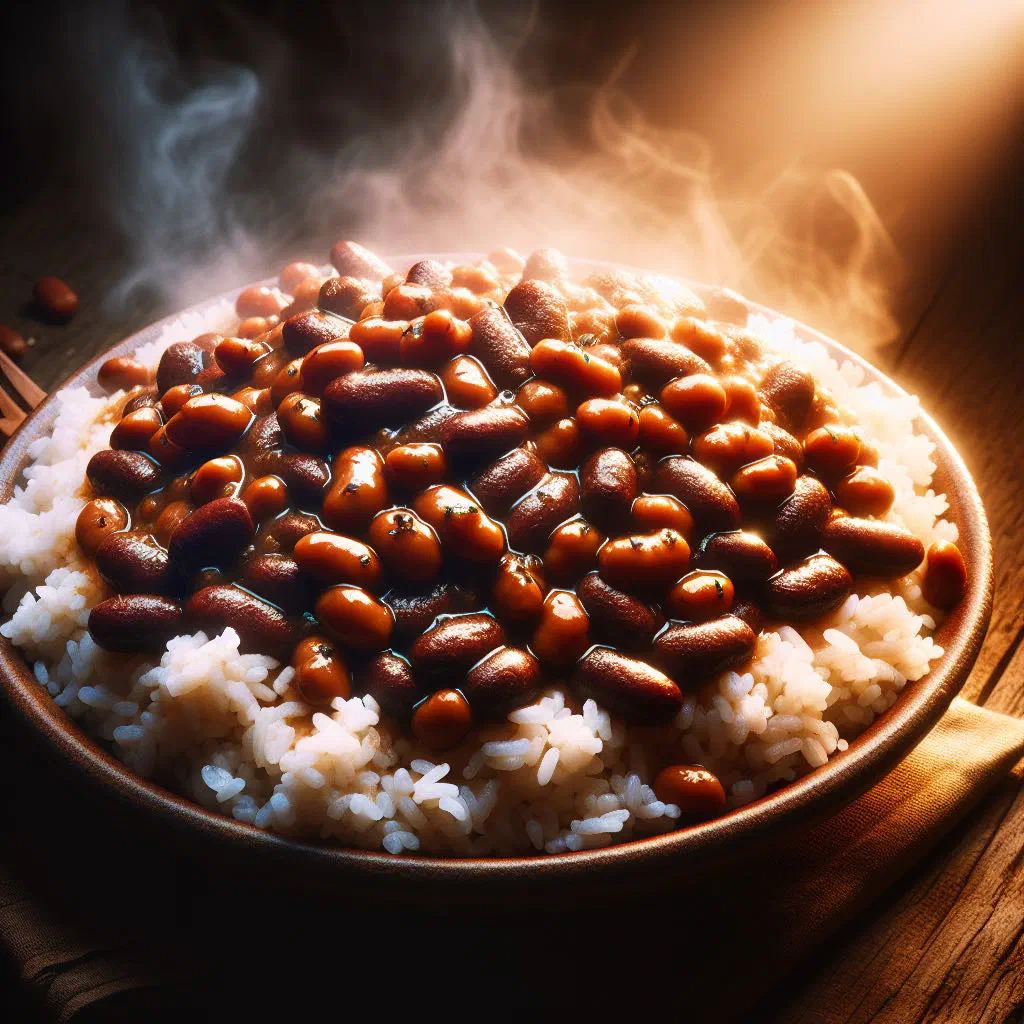
Say hello to Mpunga with Beans, a hearty staple that captures the warmth of Malawian home cooking. This comforting dish brings together fragrant rice and nourishing beans, simmered with onion and garlic until every grain has soaked up the flavour. Filling, wholesome and naturally vegan, it is the kind of meal families gather around and share, and it carries the spirit of community that sits at the heart of Malawi’s table.
About Mpunga with Beans
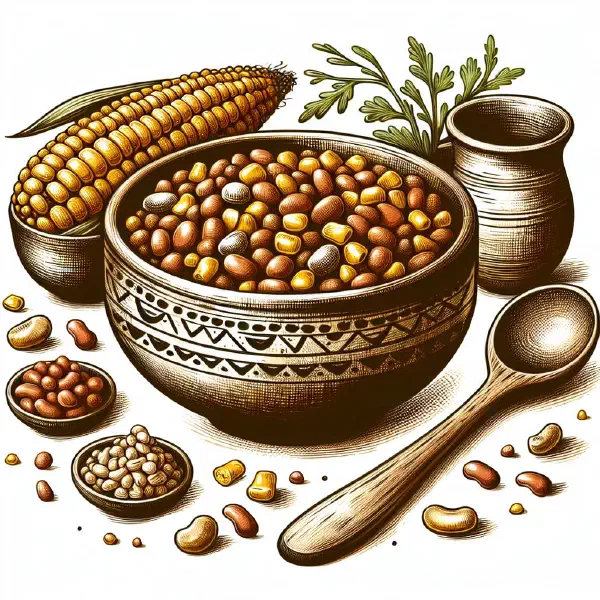
Mpunga with Beans is a much-loved dish that beautifully represents Malawian cuisine. It pairs fragrant rice with nourishing beans, a combination that is both deeply satisfying and wonderfully tasty. The dish is especially popular with families and at festive occasions, reflecting the values of Malawian society, which places great importance on community and the sharing of food. Simple to make yet endlessly comforting, it is a true everyday classic.
Ingredients (serves 1–2)
- 1 cup rice
- 1 cup beans (such as kidney beans or black beans)
- 2 cups water
- 1 onion, diced
- 1–2 cloves garlic, chopped
- 1 tablespoon oil or butter
- Salt and pepper to taste
- Optional: spices such as cumin or paprika
Shopping for the ingredients
To make mpunga with beans you will need fresh ingredients, all of which are easy to find in any well-stocked supermarket. Beans are also available tinned, which cuts down the preparation time considerably. When buying rice, choose a good-quality variety to bring out the best flavour. Fresh onions and garlic are fundamental to the aroma of the dish and should be picked with equal care.
Preparing the dish
Before you start cooking, either soak the beans overnight or reach for the tinned version to save time. Wash the rice thoroughly to rinse away excess starch, which helps keep the grains from turning sticky as they cook. Prepare the vegetables too, chopping the onion and garlic into small pieces so their aromas can develop fully once they hit the pan.
Step-by-step instructions
- Heat the oil or butter in a pot, then add the diced onion and garlic. Fry both until golden brown.
- Add the soaked or drained beans to the pot and stir well. Let them cook for a few minutes.
- Add the washed rice to the pot and mix everything together thoroughly.
- Pour in the water and season with salt and pepper. Cover the pot and let the dish simmer over medium heat.
- Simmer for about 20 minutes, until the rice and beans are tender and the water has been fully absorbed. Stir occasionally to prevent anything catching on the bottom.
Gluten-free / lactose-free version
Mpunga with beans is naturally gluten-free and lactose-free, which makes it an excellent choice for anyone with intolerances. The dish is built mainly around rice and beans, both of which are easy on the stomach. You can adapt the recipe freely without changing the main ingredients. As always, it is worth checking labels while shopping to make sure no gluten-containing additives sneak in.
Tips for vegans and vegetarians
Mpunga with beans is ideal for vegans and vegetarians, as it contains no animal products at all. For an extra nutritional boost, you can add vegetables such as spinach or carrots. These enrich the dish in flavour and in vitamins and minerals. Be sure to add spices and herbs to intensify the aroma even further.
More tips and tricks
To bring even more flavour to your mpunga with beans, try adding toasted nuts or seeds for a pleasing crunch. Experiment with different spices to vary the taste; cumin or paprika lend the dish a special note. A pinch of chilli adds extra warmth for those who like a bit of heat. The dish also prepares well in advance and keeps and reheats without any trouble.
Adapting the recipe to your taste
One of the joys of cooking is tailoring recipes to your own preferences. If you like less rice and more beans, for instance, the protein content of the dish goes up accordingly. Adding further vegetables, such as peppers or courgette, brings variety not only in colour but in flavour too. Do not be afraid to get creative and let your own tastes shine through in the recipe.
Ingredient substitutions
If you do not have kidney beans to hand, other varieties such as white beans or black beans work just as well. The rice is flexible too. You might try brown rice or quinoa to add more fibre to the dish. Enrich the whole thing by cooking it in vegetable stock instead of water for extra depth of flavour. These alternatives are easy to put into practice and let you vary the recipe however the mood takes you, much like the adaptable pulses in a comforting Nandolo Stew.
Drink pairing ideas
To round the meal off perfectly, light drinks such as hibiscus tea or sparkling water with a squeeze of lemon work beautifully. An African beer would also harmonise wonderfully with the hearty flavours of mpunga with beans. Wine lovers might reach for a dry white wine that is not too intense, so it complements rather than overpowers the dish. Ultimately, follow your own preferences to find the perfect match.
Serving and presentation ideas
Food is about more than just taste; presentation matters too. Serve mpunga with beans in an attractive bowl and garnish the dish with fresh herbs such as parsley or coriander. Colourful sides such as avocado or cherry tomatoes add visual appeal. A thoughtful arrangement sets the stage for a truly enjoyable meal.
A bit of history
Mpunga with beans has roots that run deep in Malawian tradition. Rice and beans are nourishing staples that play a central role in many African cultures. Traditionally the dish is served among extended families or during community celebrations, fostering a spirit of sharing and togetherness. Preparing and enjoying mpunga with beans brings people together and creates lasting memories, much like a shared plate of Nsima with Beans.
More recipe ideas
Summary: Mpunga with Beans
Mpunga with beans is a simple yet wonderfully tasty dish from Malawi, rich in both tradition and flavour. The combination of fragrant rice and nourishing beans is not only filling but healthy too. It offers countless opportunities for personal adaptation and suits every kind of diet. Enjoy your tour to Malawi with this heartwarming national dish.