National Dish Malawi: Mzuzu Mbewe (Recipe)
In this article
Meet Mzuzu Mbewe, a wholesome bean dish from the highlands of northern Malawi that turns humble store-cupboard staples into something genuinely nourishing. Tender mung beans are simmered with sweet onions, fragrant garlic and a touch of paprika until soft and comforting. Deeply rooted in the home cooking around the city of Mzuzu, it works beautifully as a hearty main or a satisfying side, and it brings the warm, earthy flavours of Malawian kitchens straight to your table.
About Mzuzu Mbewe
Mzuzu Mbewe is a traditional dish from Malawi, especially beloved in the region around the northern city of Mzuzu. It is a delicious combination of vitality and substance that sits at the heart of the local kitchen. Packed with flavour and nourishment, it appeals to the senses while genuinely fortifying the body. Mzuzu Mbewe has the potential to please every palate.
Ingredients (serves 1–2)
- 1 cup mbewe (mung beans)
- 2 cups water
- 1 onion, finely chopped
- 2 cloves garlic, crushed
- 1 teaspoon salt
- 1 teaspoon paprika
- 2 tablespoons vegetable oil
- Fresh herbs of your choice (such as parsley or coriander)
Shopping for the ingredients
To make Mzuzu Mbewe, the ingredients should be easy to find in a well-stocked supermarket or at a local market. When buying the mung beans, look for ones that are fresh and of good quality. The remaining ingredients such as onions and garlic are everyday items and should be available in any grocery shop. Fresh herbs lend the dish colour and flavour, so buy them as fresh as possible.
Preparing the dish
Preparing Mzuzu Mbewe is straightforward and calls for no special culinary skills. Begin by soaking the mung beans overnight in water, which shortens the cooking time and makes the nutrients more readily available. The next day, rinse the beans thoroughly and set them aside. In the meantime, the onions and garlic can be prepared ready for cooking.
Step-by-step instructions
- Heat the vegetable oil in a pan over medium heat.
- Add the onions and fry until golden.
- Stir in the garlic and fry briefly.
- Add the mung beans and the water, and bring everything to the boil.
- Reduce the heat and let the dish simmer for about 30 minutes, until the beans are soft.
- Season with salt and paprika, stir through the fresh herbs and serve hot.
Gluten-free / lactose-free version
Mzuzu Mbewe is naturally gluten-free and lactose-free, which makes it an excellent choice for anyone with those intolerances. The main ingredient, the mung bean, contains no gluten and is therefore well suited to a gluten-free diet. Do check all the other ingredients as well to make sure they contain no gluten-based additives.
Tips for vegans and vegetarians
Mzuzu Mbewe is ideal for vegans and vegetarians, as it contains no animal products at all. The beans provide an excellent source of protein, making them especially valuable in a plant-based diet. If you like, you can enrich the dish with additional mixed vegetables to boost the nutrient density even further. Spinach or carrots, for instance, work well and add plenty of vitamins.
More tips and tricks
A few simple tips can help make Mzuzu Mbewe even more flavourful. Experiment with different spices to adjust the dish to your taste. Adding a splash of lemon juice just before serving can also brighten the flavours.
Adapting the recipe to your taste
The beauty of Mzuzu Mbewe lies in its versatility. You can tailor the recipe to your personal preferences by varying the spices or the type of oil, for example. If you like a nuttier flavour, you can scatter some nuts over the finished dish. Remember that adding your favourite ingredients can turn the dish into something truly unique. It sits comfortably alongside other Malawian classics such as Nsima With Beans.
Ingredient substitutions
If you do not have mung beans to hand, other types of bean can be used, such as chickpeas or lentils, much like the pulses that give Nandolo Stew its heartiness. These alternatives offer different flavours and textures that keep the dish interesting. The vegetable oil can also be swapped for olive oil if you prefer, for a different taste. Just take care to adjust the cooking times, as different beans need different lengths of time to soften.
Drink pairing ideas
To round off the meal, it is worth choosing a suitable drink. A freshly pressed juice made from fruits such as pineapple or mango can be a refreshing accompaniment to Mzuzu Mbewe. A mild beer, perhaps from a home brewery, can also pair nicely. If you prefer something alcohol-free, a mint tea is a wonderful choice to complement the flavours of the dish, as is the malted Thobwa. You can find a version in our Thobwa recipe.
Serving and presentation ideas
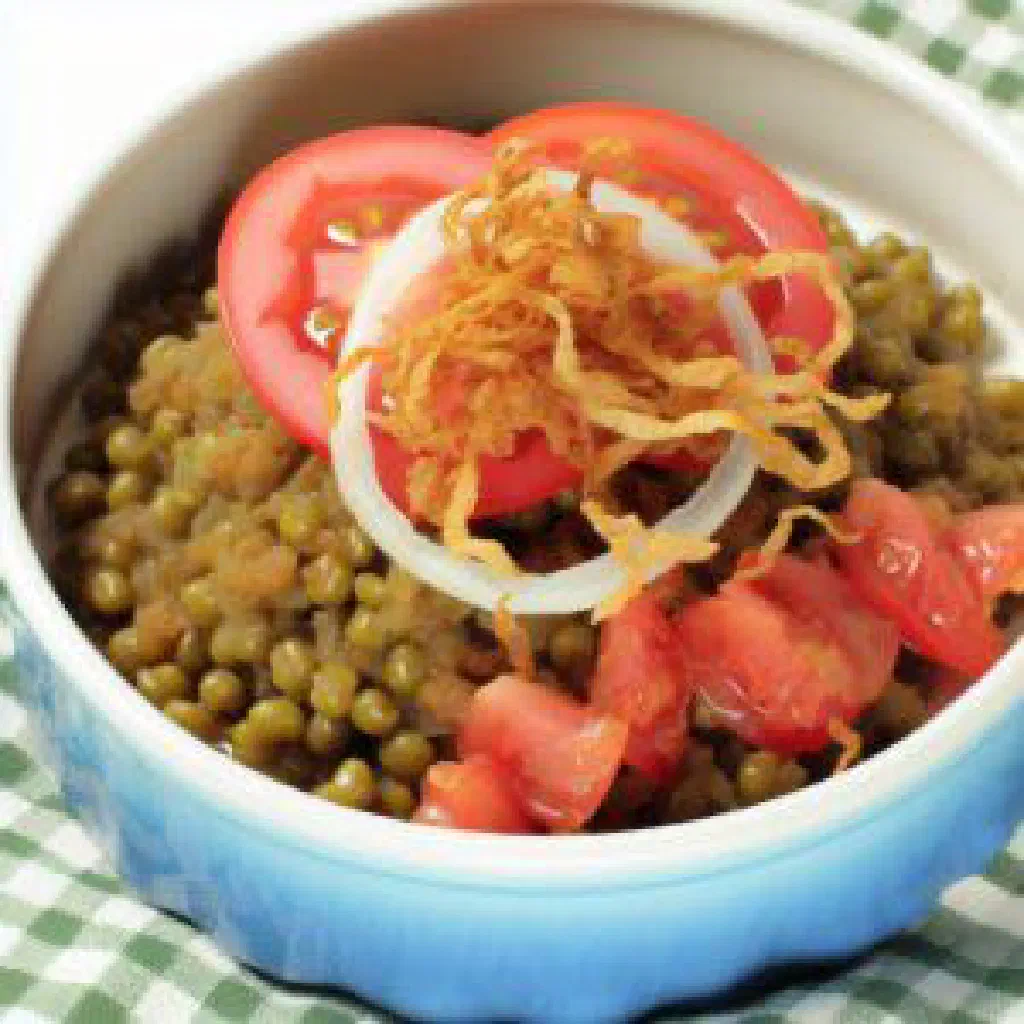
The presentation of Mzuzu Mbewe can further whet the appetite. Serve the dish in a lovely, colourful bowl and garnish it with fresh herbs. A few tomato slices or some avocado alongside can look very appealing. An attractive presentation makes the meal tasty and a treat for the eyes. A serving of Nsima on the side turns it into a complete plate.
A bit of history
Mzuzu Mbewe has its roots in the rich culinary tradition of Malawi. The use of mung beans as a base ingredient reflects the local agriculture, where legumes are an important part of the diet. Historically, the dish was a symbol of community, as it was often served at celebrations and gatherings. Preparing and enjoying Mzuzu Mbewe is therefore more than a culinary experience but also a taste of Malawian culture and its wider Malawi cuisine.
More recipe ideas
Summary: Mzuzu Mbewe
In summary, Mzuzu Mbewe is a nourishing and flavourful dish that reflects the tradition of Malawi. With simple ingredients it is easy to prepare and can be adapted however you like. Gluten-free or in another form, this dish has something to offer everyone. Give it a try and savour the flavours and culture of Malawi.