National Dish Malawi: Ndiwo with Chigwada (Recipe)
In this article
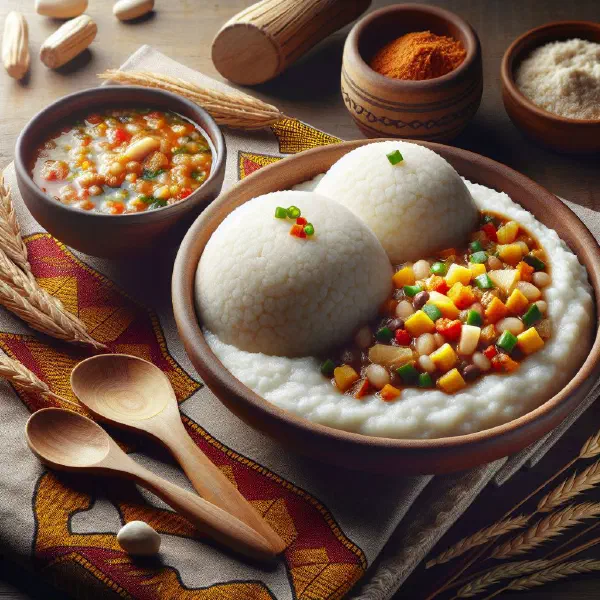
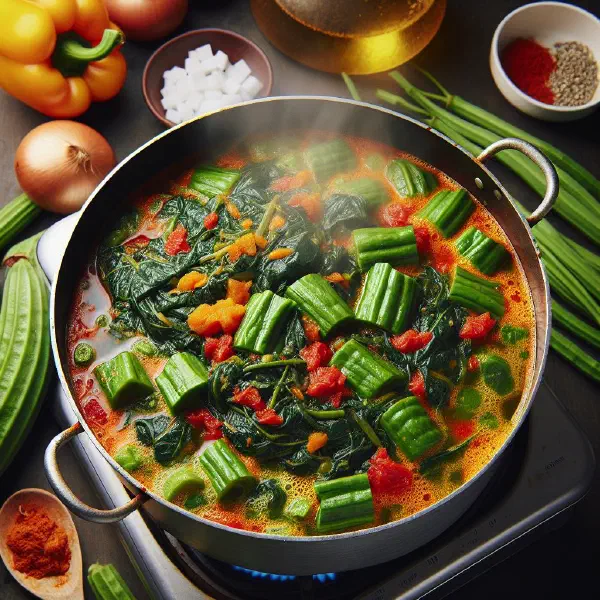
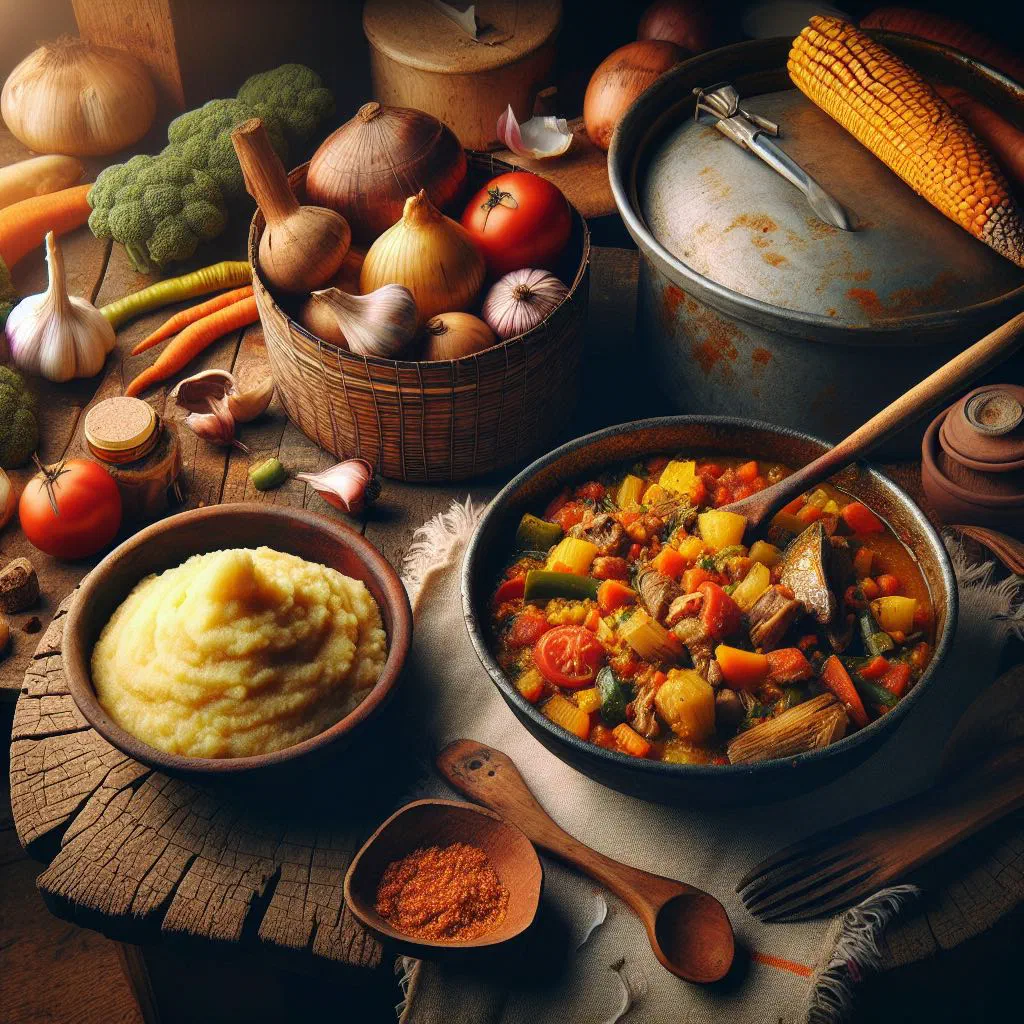
Discover Ndiwo with Chigwada, a comforting classic at the heart of Malawian home cooking. This traditional dish brings together nutrient-rich leafy greens in a creamy peanut sauce with the beloved maize porridge known as chigwada. Wholesome, satisfying and endlessly adaptable, it appears at everyday family meals and festive gatherings alike. Bring the warm, earthy flavours of Malawi straight to your own table.
About Ndiwo with Chigwada
The traditional dish Ndiwo is a cornerstone of Malawian cuisine, pairing nutrient-rich leafy greens with the popular maize porridge called chigwada. This combination is delicious and a reflection of Malawi’s cultural richness. Ndiwo is regularly served in family homes and at festive occasions, which makes it an indispensable part of the country’s food culture. It is a dish that is easy to vary and suits any occasion.
Ingredients (serves 1–2)
- 2 cups fresh greens (such as spinach, beet leaves or pumpkin leaves)
- 1 onion, finely chopped
- 2 tablespoons peanut butter
- ½ teaspoon turmeric
- Salt and pepper to taste
- Water as needed
- 1 cup maize flour (for the chigwada)
Shopping for the ingredients
For Ndiwo, it is worth gathering your ingredients from a local supermarket or an African or Asian grocery. Greens such as spinach or pumpkin leaves are usually available fresh and can also be picked up from local markets. When buying peanut butter, look for a brand with no added sugar or preservatives, so the dish stays as wholesome as possible. Maize flour is easy to find in many shops too and is essential for the accompanying chigwada.
Preparing the dish
Before you begin cooking, wash the greens thoroughly to remove any grit and dirt. Cut them into small pieces so they cook evenly and the flavours meld together more readily. Onions play a key role in this recipe, so do not leave them out. Chopping onions can bring a tear to the eye, but remember that they reward the dish with a wonderful depth of flavour.
Step-by-step instructions
- Heat a large pot over medium heat and add the chopped onion. Fry until soft, translucent and fragrant.
- Add the prepared greens and cook for about 5–7 minutes, until tender.
- Pour in a little water to reach a nice consistency, then stir through the peanut butter and turmeric.
- Season with salt and pepper to taste. Let everything simmer for a further 10 minutes so the flavours can develop.
- For the chigwada: bring 2 cups of water to the boil and stir in the maize flour until smooth. Cook for a few minutes, until it thickens.
Gluten-free / lactose-free version
Ndiwo is naturally gluten-free and makes an excellent choice for anyone with a gluten intolerance. Just be sure to pick a peanut butter that contains no gluten-based additives. The chigwada is easy to adapt too: use gluten-free flour in place of maize flour for a delicious version that is safe for those with allergies. That way you can enjoy the flavours of Malawi without any worries about food intolerances.
Tips for vegans and vegetarians
Ndiwo is a perfect dish for vegans and vegetarians, as it contains no animal products at all. To make it even more nourishing, you can add pulses such as lentils or chickpeas. These provide protein and a lovely texture that gives the dish more body. When using peanut butter, make sure it is free of any milk-based ingredients to guarantee a fully vegan result. For another plant-based staple, try a hearty Nandolo Stew.
More tips and tricks
To make the flavours of Ndiwo even more vivid, you can add regional spices such as ginger or garlic. These bring extra taste and added health benefits. Experiment with the consistency of the chigwada as well, varying the amount of water to reach the thickness you prefer. Do not forget to taste as you go, to make sure the seasoning is perfectly balanced.
Adapting the recipe to your taste
It is not only the choice of greens that can vary, the sauces and spices can be adjusted entirely to your own liking. If you prefer a little heat, add chilli or a spicy seasoning blend. Alternatively, you can keep the dish milder by using fewer spices. It pairs beautifully with a bowl of Nsima for a fuller meal.
Ingredient substitutions
If some ingredients are hard to find, you can swap them for similar products. For example, you might use almond butter or cashew butter in place of peanut butter for a different flavour. In addition, maize flour can be replaced with sorghum flour or rice flour to make a gluten-free chigwada. Think of the preparation as an invitation to experiment and find your own favourite combinations, much as you would with a comforting Phala.
Drink pairing ideas
A traditional Ndiwo dish goes wonderfully with refreshing drinks such as ginger beer or fresh fruit juice. These complement the flavours of the food perfectly and make for a harmonious meal. Alternatively, you might consider a light red wine or a Malawian beer to make the evening more sociable. A cup of green tea is another calming and healthy choice to accompany the meal.
Serving and presentation ideas
Presentation can be decisive in getting the most from the eating experience. Serve Ndiwo in a rustic bowl and garnish it with freshly chopped herbs such as coriander or parsley for extra colour and aroma. Add a few slices of lime or lemon so guests can add their own splash of citrus. These small details make your dish more appealing and whet the appetite of everyone at the table.
A bit of history
Ndiwo is deeply rooted in Malawian culture and is often associated with sociable get-togethers and traditional celebrations. Historically, the dish was a way to make the most of fresh seasonal ingredients and to share meals together. The use of peanut butter in this dish also reflects regional patterns of land use, where groundnuts are an important crop. Ndiwo therefore represents the cooking of Malawi and a connection to nature and community, much like the wider world of Malawian cuisine.
More recipe ideas
Summary: Ndiwo with Chigwada
In summary, Ndiwo is a dish that is tasty and wonderfully versatile, capturing the essence of Malawian cuisine. With so many ways to adapt and vary it, this dish is easy to tailor to personal preferences and dietary needs. Making Ndiwo is a step into the rich culture and tradition of Malawi. Bring a piece of Africa to your table and enjoy the unique flavours of Ndiwo.